
Last updated October 30, 2026
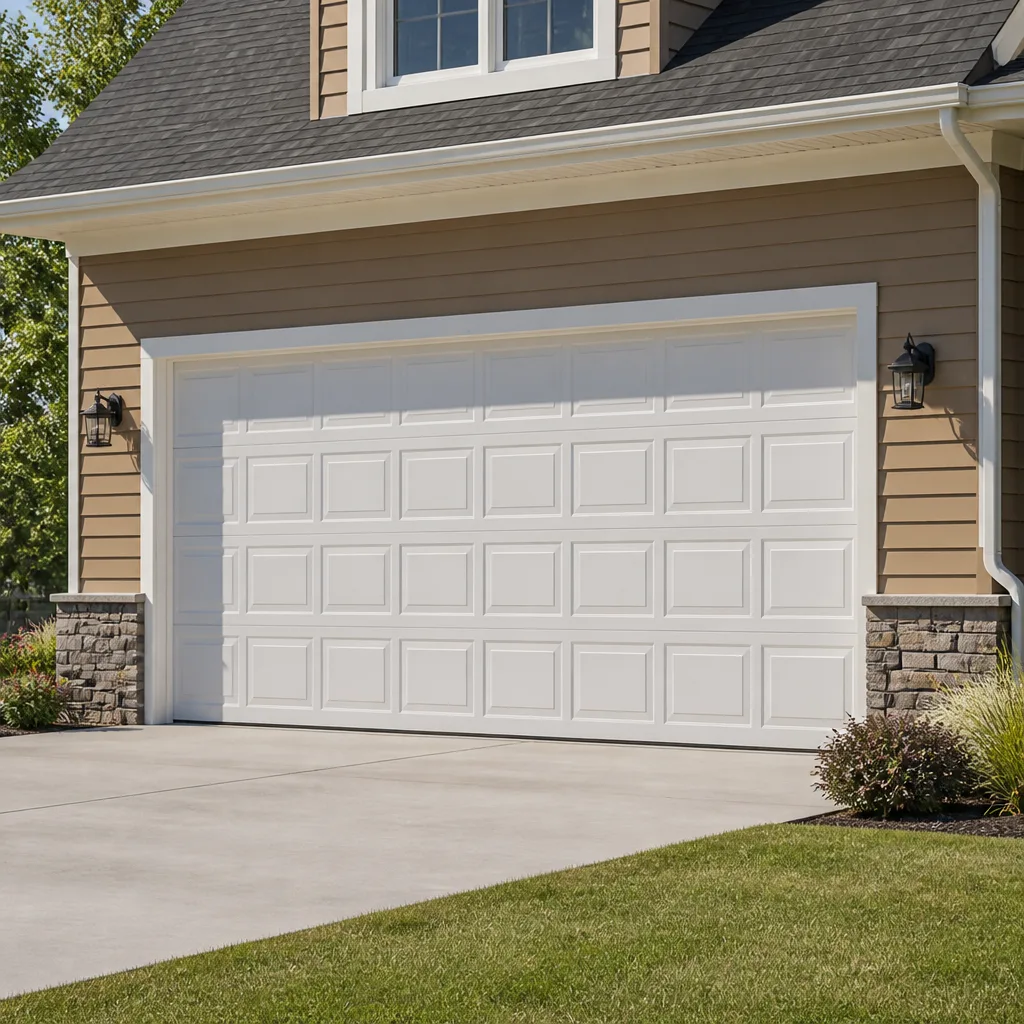 Raised-panel steel
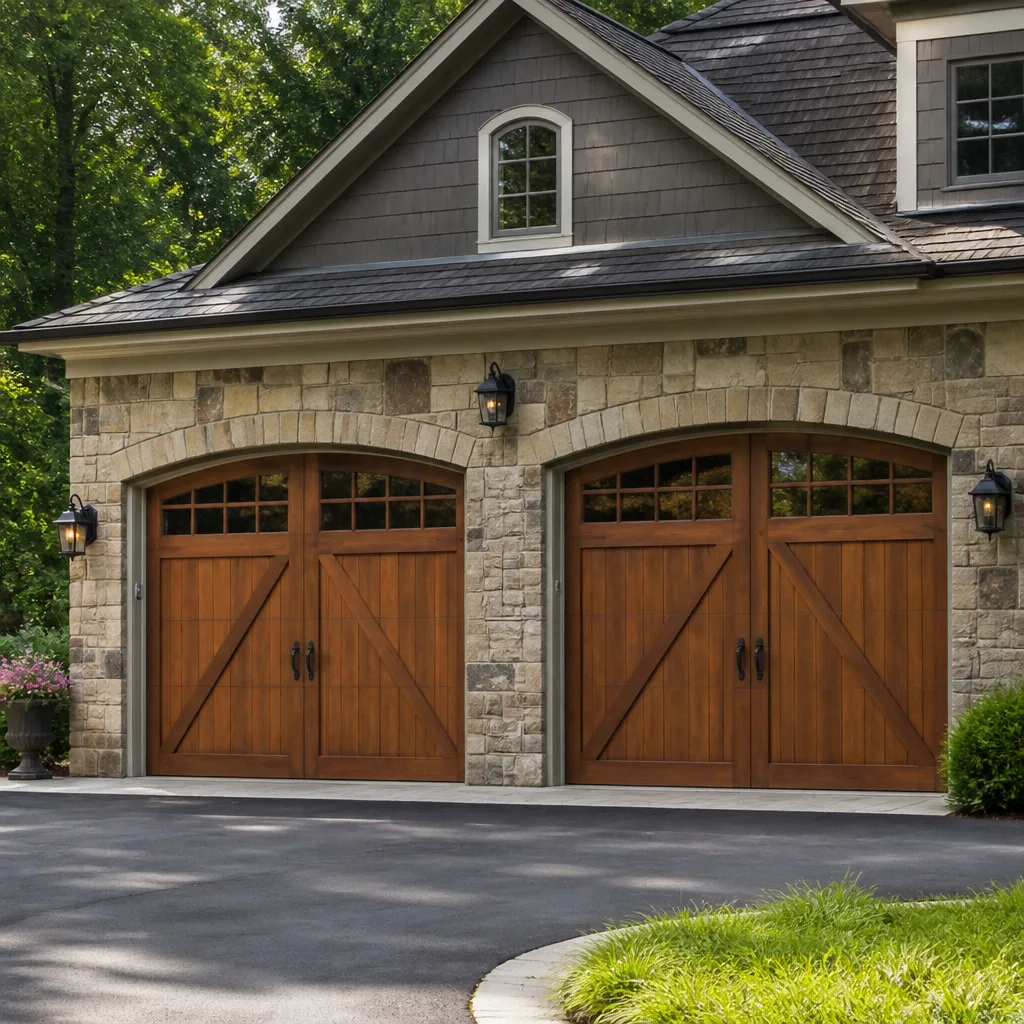 Carriage house
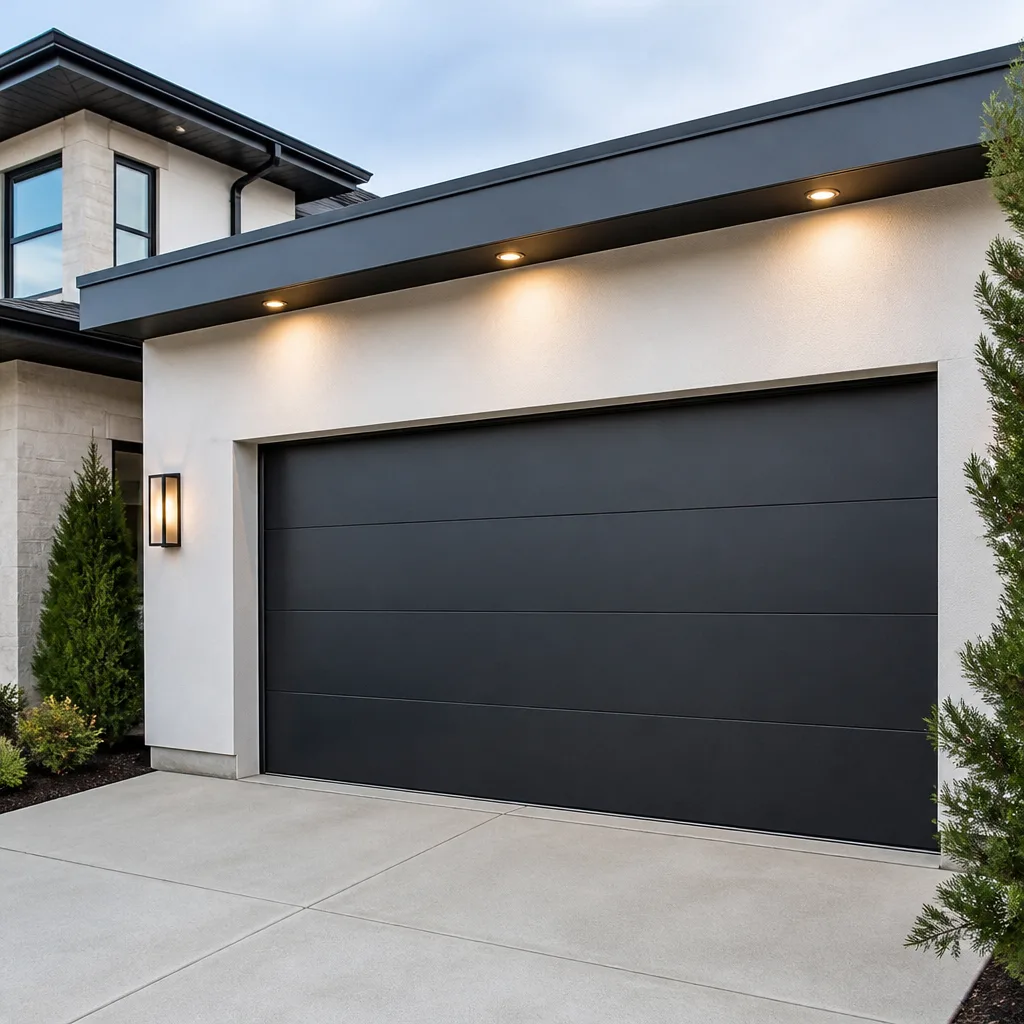 Modern flush
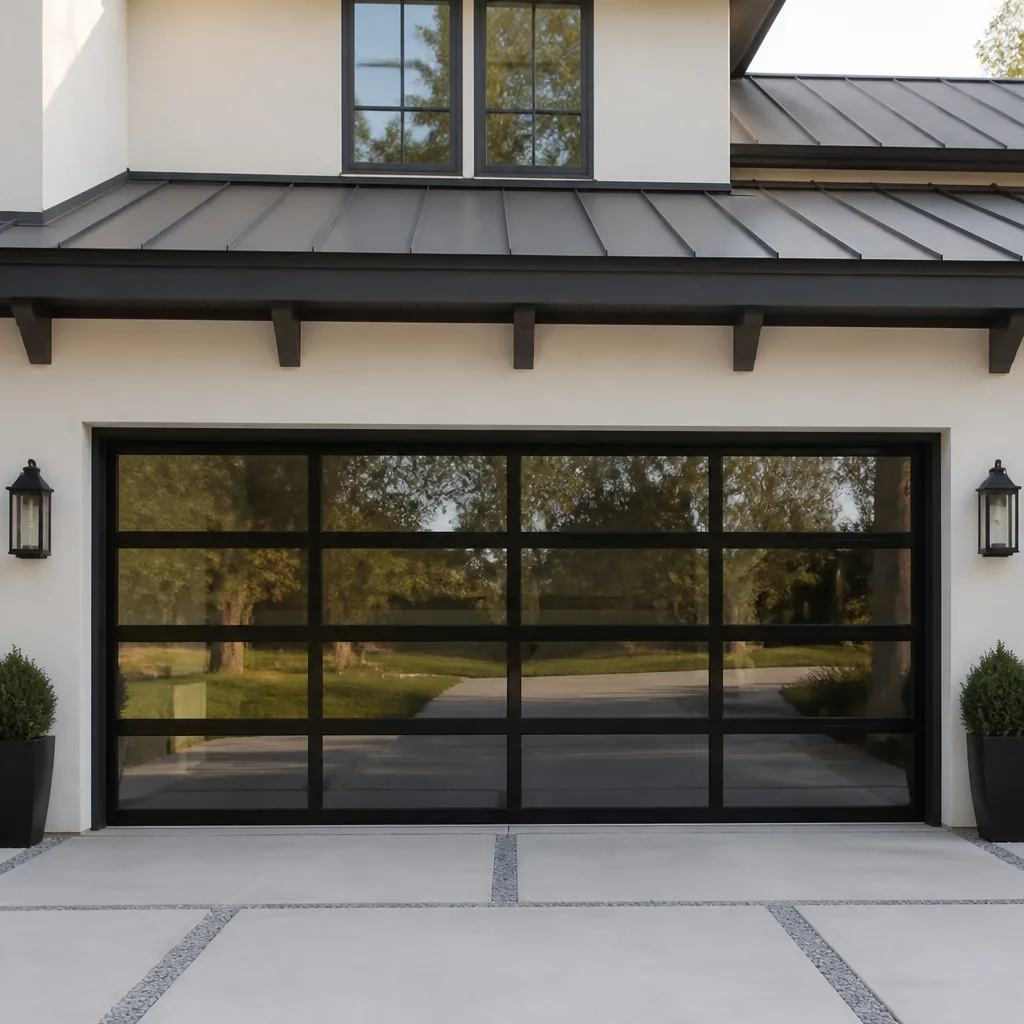 Full-view glass
 LiftMaster openers
 Chamberlain openers
Full 25-point door and opener safety check with every visit - springs, cables, rollers, tracks, and your LiftMaster or Chamberlain opener included
You get a price before we start. It does not change when the truck arrives.
Get your free estimateThe Complete Garage Door Repair Guide for Roseville Homeowners
Here’s a fact most national garage door guides won’t tell you: a garage door spring in Roseville fails differently than the same spring in Portland or Phoenix. Our summer attic temperatures routinely push past 140°F, and that heat doesn’t stay in the attic. It radiates through the ceiling into attached garages, where it cooks the torsion springs mounted above your door. Metal fatigues faster under sustained heat, and the grease inside your opener’s rail breaks down at roughly twice the rate manufacturer maintenance schedules assume. This guide exists because Roseville’s specific conditions, the concrete tile roofs, the stucco framing, the relentless Sacramento Valley heat cycles, demand a repair playbook written for this city, not a national average. For Garage Door Repair services tailored to these conditions, local expertise matters.
Quick Answer
Garage door repair in Roseville typically costs between $180 and $340 for common fixes like spring replacement, track realignment, and cable repair, with opener repairs running $120 to $260. Most repairs are diagnosed in one visit and completed same-day because a specialist carries the common parts on the truck. Check our more guides & resources for seasonal maintenance tips. The single most important step any Roseville homeowner can take is an April pre-summer inspection, before heat accelerates existing wear into full failure.
Table of Contents
- How Roseville’s Climate Destroys Garage Doors Faster Than You’d Expect
- Spring Repair: The Most Common (and Most Dangerous) Fix in Roseville
- Track and Anchoring Issues in Stucco-Framed Roseville Homes
- Opener Repair: What Actually Breaks and What It Costs Here
- The Repair Decision Tree: DIY, Risky, or Leave It Alone
- How to Document a Repair Without Voiding Your Manufacturer Warranty
- Brand-Specific Repair Notes for Roseville’s Tract Home Openers
- Common Mistakes to Avoid
- When to Call a Professional
- Frequently Asked Questions
- The Bottom Line
How Roseville’s Climate Destroys Garage Doors Faster Than You’d Expect
Roseville sits in a unique thermal zone within the Sacramento Valley. Summer days consistently reach the high 90s, with multi-day stretches above 100°F from June through September. The problem isn’t just the heat itself. It’s the cycle. Doors expand in the afternoon heat and contract at night, and over a season of 40-plus degree daily swings, the metal components, tracks, springs, cables, hinges, absorb that stress cumulatively.
The specific failure patterns we see across Roseville break down like this:
- Spring fatigue: Torsion springs lose tension faster when exposed to sustained ambient heat above 110°F in the garage. A spring rated for 10,000 cycles in a coastal climate might deliver 6,000 to 7,000 here.
- Lubricant breakdown: The grease on opener rails and bearing plates thins and drips off in summer heat, leaving metal-on-metal contact by August. That’s the grinding noise many Roseville homeowners report in late summer.
- Roller degradation: Nylon rollers hold up better than steel in heat, but the bearing inside either type dries out faster in warm garages. A dried bearing stops rolling and starts scraping, which scores the track.
- Weather seal brittleness: The rubber bottom seal on your door hardens and cracks under repeated UV and heat exposure. Once it cracks, dust, leaves, and the occasional black widow make their way in.
The April Pre-Summer Inspection Every Roseville Home Should Do
- Watch and listen: Run the door up and down twice. Listen for grinding, popping, or hesitation. Any new noise is a warning sign, not a quirk.
- Check spring symmetry: Look at the torsion spring above the door. If it’s visibly sagging in the middle or shows a gap, tension is uneven and the door is working harder than it should.
- Test balance by hand: Pull the emergency release cord and lift the door manually to waist height. A balanced door stays put. One that drops or rises on its own has a spring or cable problem forming.
- Inspect the bottom seal: Run your hand along the rubber strip at the door’s base. Cracks, gaps, or brittleness mean it’s time to replace before summer dust season.
- Grease check on the rail: Look at the opener rail. If the grease looks dry, crusty, or absent, that’s the cause of strain on both the opener motor and the door itself.
This five-minute check catches the problems that turn into $300 repairs once summer heat amplifies them. Most Roseville homeowners wait until the door stops working entirely, which is the most expensive time to fix anything.
For a deeper look at what actually happens during a garage door repair in Roseville, we’ve mapped out the full diagnostic sequence technicians follow when they arrive at a home.
Spring Repair: The Most Common (and Most Dangerous) Fix in Roseville
If there’s one repair that defines garage door work in Roseville, it’s spring replacement. Torsion springs sit under constant tension, holding the weight of a 150 to 250 pound door. When they snap, the sound is a sharp bang, like a gunshot inside the garage. The spring’s lifespan in Roseville’s heat is shorter than the national average, and most homeowners will face this repair at least once during their time in the home. See The Complete Guide to Garage Door in Roseville for a full breakdown of local maintenance needs.
Spring replacement costs in Roseville currently run between $180 and $340 depending on the spring type and door weight. That includes the part and labor. Here’s what the pricing actually reflects:
- Standard torsion spring: $180 to $260 installed, typically one to two springs depending on door width.
- High-cycle spring upgrade: $280 to $340 installed. These are rated for 25,000 to 50,000 cycles instead of 10,000, which in Roseville’s heat often doubles the real-world lifespan.
- Added cable replacement: $80 to $120 per pair, often done at the same time since cables wear in tandem with springs.
Here’s the thing you need to know before you watch a YouTube video on replacing a torsion spring yourself: these springs are under enough tension to break bones or kill. The winding bars used to adjust them can slip and become projectiles. No amount of handiness replaces the calibration experience needed to set the correct number of quarter-turns for your specific door weight and height. We say this with the seriousness it deserves: spring repair is the one job we tell every Roseville homeowner to hand to a trained technician, no exceptions.
The reason we carry both standard and high-cycle springs on the truck is simple. In Roseville, the standard spring is often a false economy. If a homeowner plans to stay in the house more than three years, the high-cycle upgrade usually pays for itself by avoiding a second service call. We explain both options and let the homeowner decide, which is how every repair conversation should go.
If you’re hearing a bang followed by a door that won’t open, that’s a spring. Call us and describe the sound. It tells us what to bring.
Track and Anchoring Issues in Stucco-Framed Roseville Homes
Roseville’s dominant housing stock, especially in neighborhoods from Sun City to West Roseville and the older Foothills Junction area, was built with stucco exterior walls over wood framing. Stucco looks solid, but it’s brittle. It doesn’t flex like wood siding. When garage door tracks loosen and pull against stucco, the result isn’t a gradual shift. It’s cracking, chipping, and in some cases, chunks of stucco breaking away around the anchor bolts.
Here’s what’s happening mechanically. The steel track that guides your door attaches to the wall frame with lag bolts. Over years of door cycles, those bolts can back out slightly, especially if the wood behind the stucco has dried and shrunk in Roseville’s low-humidity summers. When the track shifts even an eighth of an inch, the door’s rollers bind slightly, the opener strains harder, and every cycle pushes the track further out of alignment.
The stucco-specific concern comes when you tighten those bolts. Drive them back into dried wood without checking the wood’s condition, and you might get a few more months. But if the wood has degraded, you’re tightening into nothing. That’s when tracks pull away and the door comes off its rollers, which is a dangerous failure.
Here’s what a proper track inspection on a stucco Roseville home involves:
- Check all anchor bolts for tightness with the door closed and the opener released.
- Measure track spacing at the top, middle, and bottom on both sides. The gap should be consistent; any variance means the track has shifted.
- Inspect the stucco around each anchor point for hairline cracks. Cracks mean the track has already moved and pulled against the surface.
- Test roller fit by running the door manually. Rollers should move smoothly in the track without visible play or grinding.
When we find loose tracks on stucco homes, the fix usually involves reseating the anchors with longer bolts into sound framing, sometimes adding a backing plate to spread the load. The goal is to keep the track stable without further damage to the wall surface. In Roseville’s climate, wood inside walls does dry and shrink. That’s not a defect in your home. It’s a regional condition worth accounting for in your garage door maintenance.
Opener Repair: What Actually Breaks and What It Costs Here
Garage door openers in Roseville fail from heat stress more than any other single cause. The motor, the logic board, and the drive gear all sit in the hottest part of the garage, and when temperatures climb, electronics age faster. A opener that would last 15 years in a mild climate might fail at 10 to 12 years here.
The most common opener problems we see in Roseville homes, in order of frequency:
- Stripped drive gears: The nylon gear inside the opener housing wears smooth, especially on LiftMaster and Chamberlain units installed before 2010. The motor runs but the door doesn’t move.
- Logic board failure: Heat shortens capacitor life. Symptoms include the opener working intermittently, refusing to respond to remotes, or opening on its own (that’s a board fault, not a ghost).
- Travel limit drift: The opener’s internal settings shift, causing the door to reverse when closing or stop short of the floor. This is a calibration fix, not a part replacement, and it’s one of the cheapest repairs at $90 to $130.
- Rail lubrication failure: Covered above, but it bears repeating: dry rails in Roseville summers are the single most preventable opener strain.
Realistic repair pricing for Roseville openers:
- Limit switch or calibration adjustment: $90 to $130
- Drive gear replacement: $140 to $200
- Logic board replacement: $160 to $260, depending on opener age and availability
- Full opener replacement (if repair isn’t cost-effective): $350 to $550 installed for a quality unit from LiftMaster, Chamberlain, or Genie
One thing we tell every Roseville homeowner: if your opener is more than 12 years old and needs a board, consider replacement instead. The new openers have better heat tolerance, quieter operation, and come with a fresh warranty. The math often favors new. But if the opener is younger than 8 years, repair almost always makes more sense.
You can read more about the specific components and failure points on our garage door opener repair in Roseville page.
The Repair Decision Tree: DIY, Risky, or Leave It Alone
We’re asked all the time what a homeowner can safely fix without calling a specialist. The honest answer is: some things, but fewer than most online guides suggest. Here’s the decision tree we’d give our own neighbors.
Safe DIY Repairs for Roseville Homeowners
- Bottom seal replacement: Slide the old seal out, slide the new one in. Takes 20 minutes and $25 in parts. No risk.
- Remote battery and reprogramming: If the opener responds but the remote doesn’t, start with a fresh battery. Reprogramming instructions are in every manual.
- Photo eye cleaning and realignment: The small sensors near the floor on each side of the door get dusty and misaligned. Wipe them, check the indicator lights, and align them so both lights show steady. This fixes a surprising number of “door won’t close” calls.
- Visual inspection and lubrication: You can do the April checklist above. Use a garage door specific lubricant, not WD-40, on rollers, hinges, and the opener rail.
Risky Repairs That Need a Specialist
- Spring replacement of any kind: Extension springs and torsion springs both store lethal tension. Not a DIY job. Not even with borrowed tools.
- Cable replacement: Cables work with springs under load. When a cable comes off its drum, the spring’s energy is uncontained. That’s a hospital trip waiting to happen.
- Track removal or replacement: The door’s weight rides on those tracks. Getting the spacing wrong means the door jams or jumps the track mid-cycle.
- Opener replacement: The electrical wiring and safety reverse settings require testing equipment. A miswired opener is a fire risk and a safety hazard.
Borderline Repairs (Depends on Your Comfort and Tools)
- Roller replacement: The bottom rollers on some doors can be replaced without touching the spring, but the top and bottom brackets are under tension on others. Know which type you have before attempting.
- Hinge replacement: Simple on paper, but the door panels are heavy and aligned. A misaligned hinge stresses the whole door and shortens the life of other parts.
- Weatherstrip along the sides: Straightforward, though older stucco homes in Roseville often have uneven gaps that require trimming and careful measuring.
The consistent thread across the risky list: anything under spring tension or holding the door’s weight. Roseville’s heat makes these failures more frequent, which means local homeowners face these decisions more often than average. When in doubt, call. A five-minute conversation usually clarifies whether a professional visit is actually needed.
How to Document a Repair Without Voiding Your Manufacturer Warranty
Most Roseville homeowners don’t think about their garage door or opener warranty until the day they need it. By then, the documentation is often missing, and the manufacturer has an easy reason to deny the claim. Here’s how to protect yourself, and it’s simpler than you’d expect.
The core principle is this: manufacturers like LiftMaster, Chamberlain, Clopay, and Amarr honor warranties on parts, not on installation labor. If a spring breaks within the warranty period, the spring itself is covered. But getting the replacement installed usually has a labor cost. That’s the part many homeowners find surprising.
To keep your warranty valid and usable:
- Save every receipt and work order, even for small fixes. Date, part number, and the name of the person who did the work.
- Photograph the door and opener before any repair. If a part failed, the photo shows its condition before removal. This is evidence the failure was a defect, not damage.
- Keep the model and serial numbers of both the door and opener in one place. The opener’s label is on the side of the unit; the door’s is often on a sticker near the top panel or on the end cap of the door.
- Note the install date. Warranty periods start at installation, not purchase. If you moved into a house with an existing door, find the install date from builder paperwork or the previous owner.
- Use parts that meet manufacturer specs. If a repair uses an off-brand spring or cable, the manufacturer can void the warranty on related components. This is one reason we carry manufacturer-spec parts for the brands we service.
- Document the repair’s cause. Insurance and warranty claims both benefit from a short written description of what happened and why. “Spring snapped during standard operation, no impact damage” is the kind of note that moves a claim forward.
One Roseville-specific note: tract home builders like JMC Homes, Lennar, and KB Home often installed entry-level openers and doors as part of the original build. These may have shorter warranty windows than what you’d buy retail. If you’re in a home built between 2000 and 2015, your original equipment may already be past its warranty or close to it, which changes the repair-versus-replace calculation.
Brand-Specific Repair Notes for Roseville’s Tract Home Openers
Roseville’s newer subdivisions, particularly in West Roseville and the areas developed by JMC, Lennar, and KB Home, typically feature one of a small handful of opener brands. Knowing what’s on your ceiling helps you understand what’s likely to break and what a repair should cost.
LiftMaster and Chamberlain are the two most common openers in Roseville garages, and they share parentage. Both are built by the Chamberlain Group, which means the internal components are closely related. The most common failure on these units is the nylon drive gear, especially on models from the mid-2000s. The gear is cheap, the labor is the real cost, and replacing it brings the unit back to reliable operation. If the logic board fails on a LiftMaster or Chamberlain more than 12 years old, replacement usually beats repair.
Craftsman openers, particularly the older chain-drive models installed in Roseville homes built during the 1990s and 2000s, share many components with Chamberlain units from the same era. The same drive gear failure applies. The difference is that Craftsman openers are no longer manufactured, which affects parts availability. Many Craftsman repairs use Chamberlain-compatible parts, which work but should be installed by someone who knows the cross-compatibility.
Genie openers appear in a smaller percentage of Roseville homes, mostly in older subdivisions like Cherry Glen and Cirby Ranch. Genie’s weak point in our climate is the carriage assembly and the traveler mechanism, which wears faster in heat. The good news is that Genie parts remain widely available, and most repairs are straightforward.
Raynor is less common as an opener brand but shows up as a door brand in some Roseville custom homes. Raynor doors are well-built, with heavier hardware than entry-level models, which means repairs are less frequent but more specialized when they do occur. If you have a Raynor door, keep a record of the model; parts are typically ordered by specific series.
Whatever brand sits in your garage, the repair principle in Roseville’s climate is consistent: heat shortens the life of plastic and nylon components, and early intervention beats full replacement. We work on all these brands, which means we diagnose what’s actually in front of us and fix that, rather than pushing a replacement because we only carry one product line. You can see the full scope of what we handle on our Roseville garage door repair page, or jump to garage door installation in Roseville if the time has come for a new door.
Common Mistakes to Avoid
- Ignoring the grinding noise until something fails: That sound is metal on metal, and it only gets more expensive. In Roseville’s summer, a dry rail turns into a strained motor in a matter of weeks.
- Using WD-40 or household oil on moving parts: These products collect dust and turn into a sticky grit paste. Use a garage door lubricant specifically designed for the temperature range Roseville reaches.
- Replacing one spring instead of both: When one spring snaps, the other is the same age and likely near the end of its life. Replacing both saves a second service call within months, which is common in our heat.
- Adjusting track bolts without checking the wood behind stucco: Tightening into dried or degraded framing gives a false sense of security. The track will loosen again, and this time the stucco may crack further.
- Buying a replacement opener without checking the door’s balance first: A new opener strapped to an unbalanced door will work, but it’s straining from day one. The old opener may have already been the symptom, not the problem.
- Not documenting previous repairs: When a warranty claim comes up, the manufacturer asks for paperwork. Roseville homeowners move houses, misplace files, and discover too late that the proof is gone.
- Assuming a slow door is normal in hot weather: Heat makes the door move differently, yes, but a properly balanced door in good repair handles summer fine. Slowness is a sign of strain, not a seasonal quirk.
When to Call a Professional
Call a garage door specialist when the repair involves springs, cables, or anything under tension. Call when the door is off its tracks, when the opener makes a noise you’ve never heard before, or when the door won’t stay open or closed. Call when you’ve already tried the safe DIY fixes and the problem persists, because continuing to run a compromised door accelerates the damage. If you’re in Roseville and you’re unsure whether your situation warrants a visit, call and describe what you’re seeing. That conversation costs nothing and often saves a bigger repair later. All Star Garage Door Co home offers free estimates throughout Roseville, and you can reach us at (855) 684-6988 to talk through what your door is doing before we even schedule a visit.
Frequently Asked Questions
Most garage door repairs in Roseville run between $180 and $340, with the most common job (spring replacement) typically landing in the $180 to $260 range. Opener repairs are usually $120 to $260 depending on the component. The price is always quoted and agreed before any work starts, so there are no surprises on the invoice. Call (855) 684-6988 for an exact quote on your specific door and problem, estimates are free.
In most cases, yes. Spring replacements, cable repairs, track realignments, and opener gear replacements are repairs we can usually complete in one visit because we stock common parts for LiftMaster, Chamberlain, Genie, and Craftsman systems on the truck. Same-day service in Roseville is our standard for repairable breakdowns. Call early in the day for the best chance of same-day scheduling.
No. We quote the repair based on what we find during diagnosis, and we review that number with you before any work begins. If the repair reveals a second issue, we stop and discuss it with you first. You approve every cost before it’s incurred.
Yes. We stock the most common repair parts including torsion and extension springs, cables, rollers, hinges, drive gears, and limit switches for the major brands found in Roseville homes. If your repair requires a specialized part, we order it and return to install as soon as it arrives, usually within a few business days.
It does. Sustained heat above 110°F in the garage accelerates spring fatigue, breaks down lubricants, and shortens the life of electronic components in the opener. That’s why Roseville homeowners face more mid-summer garage door failures than people in cooler regions. An annual pre-summer inspection helps catch heat-related wear before it becomes a no-open situation.
If the door itself is structurally sound (panels intact, no rust through, track system solid), repair is almost always more cost-effective. If multiple panels are damaged, the door is more than 20 years old, or the repair estimate approaches 50 percent of a new door’s cost, replacement becomes the smarter long-term choice. We present both options with real numbers and let you decide.
The Bottom Line
Roseville’s garage doors work harder than the national average, thanks to summer heat cycles that accelerate wear on springs, openers, and lubricants. That makes annual inspection and early intervention more valuable here than almost anywhere else. Most repairs cost between $180 and $340 and are completed in a single visit, especially when you call at the first sign of trouble rather than after full failure. Spring and cable work always belongs with a trained professional. Documentation protects your warranty. And whatever brand you have on your door or opener, a true garage door specialist can diagnose it and fix the right problem the first time. For free estimates and straight answers in Roseville, call (855) 684-6988.
Written by the team at All Star Garage Door Co, serving Roseville since 2015.
Styles & brands we work with
See the difference
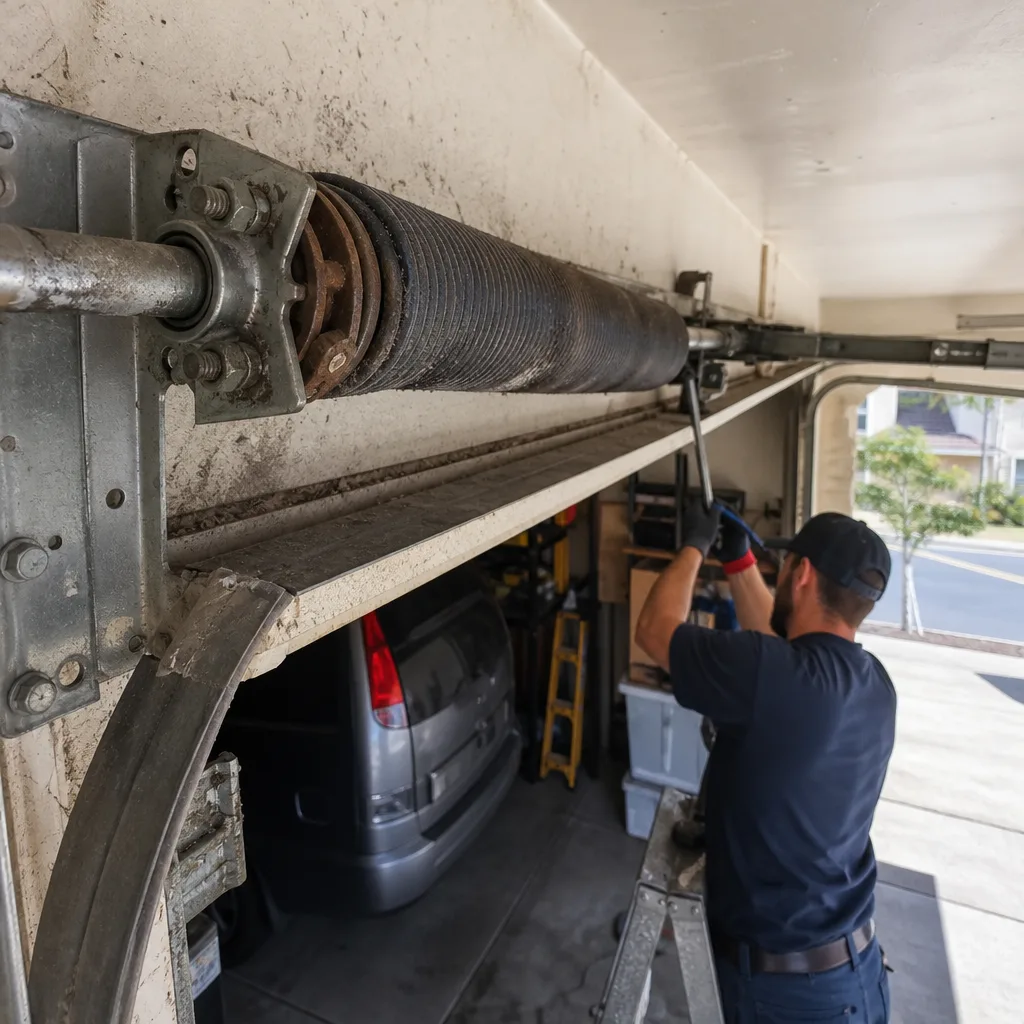 Before
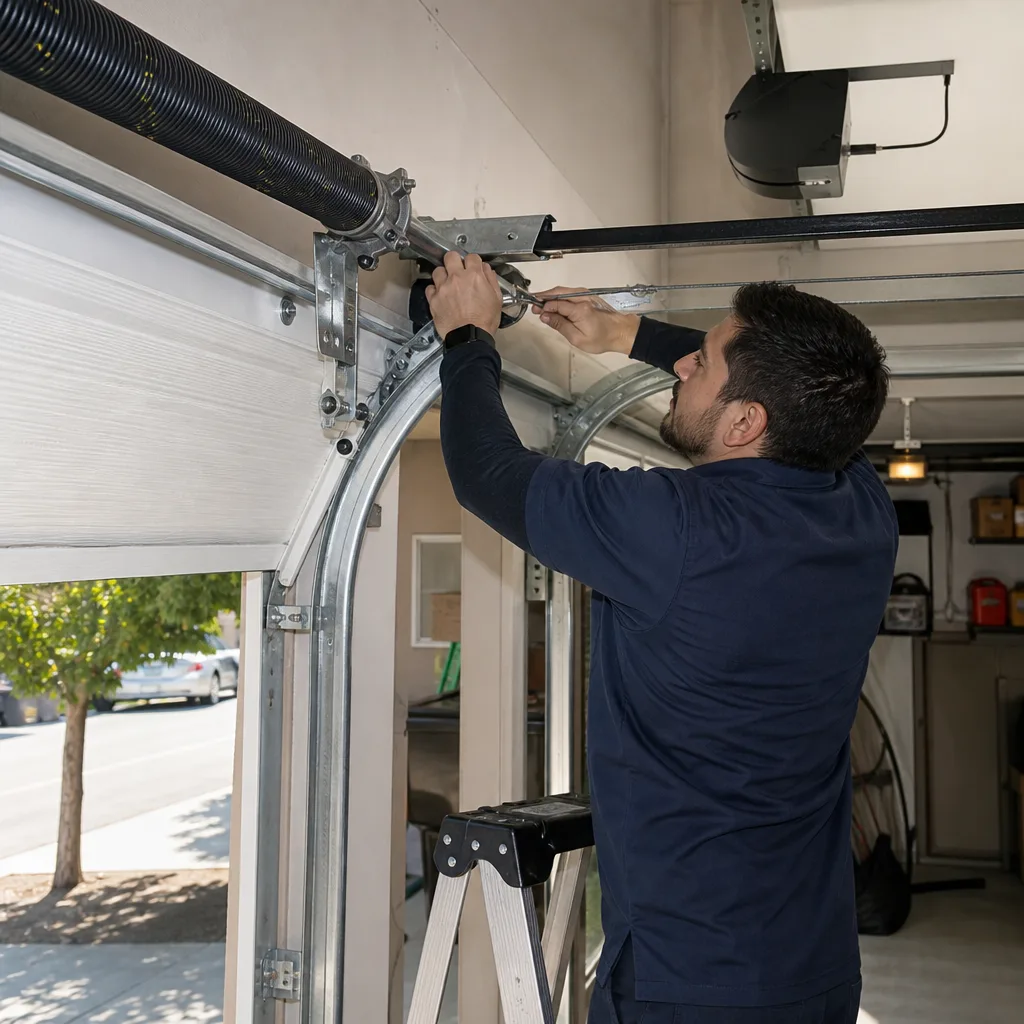 After
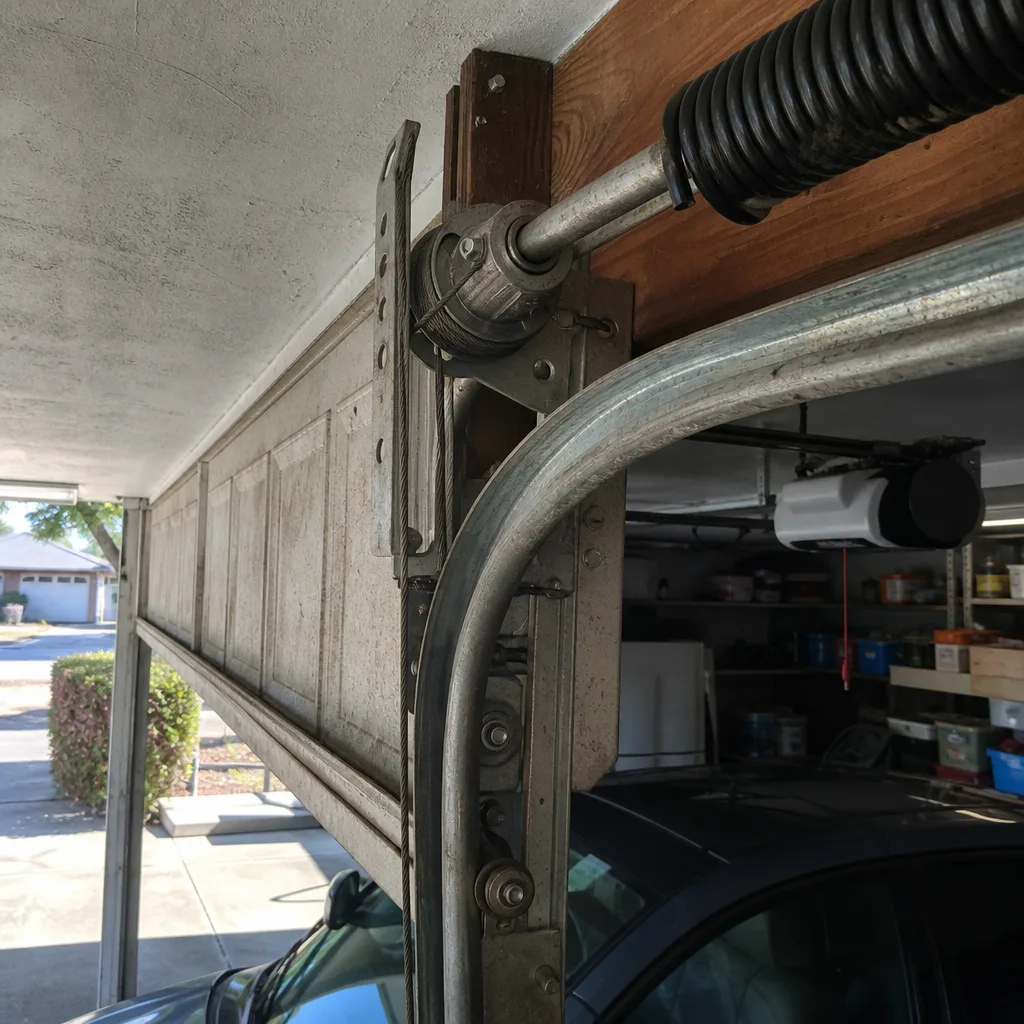 Before
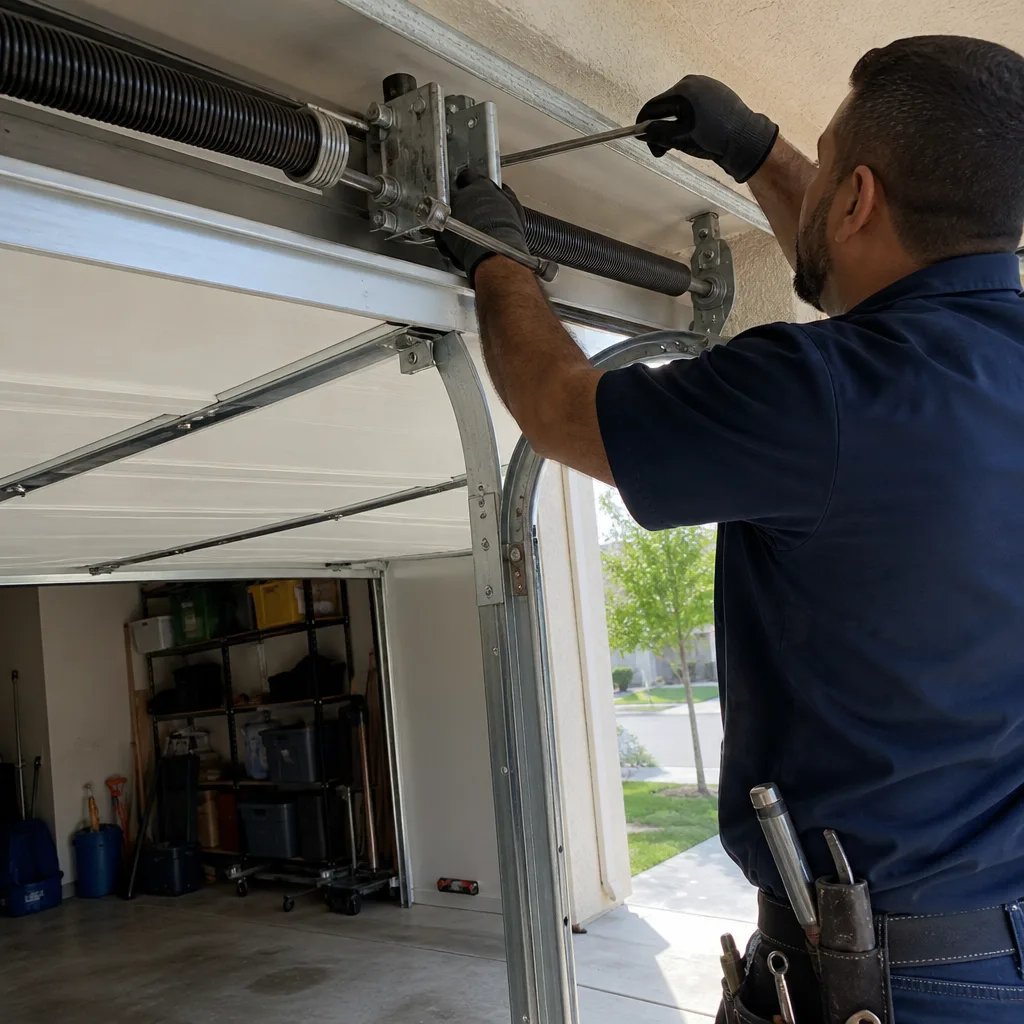 After
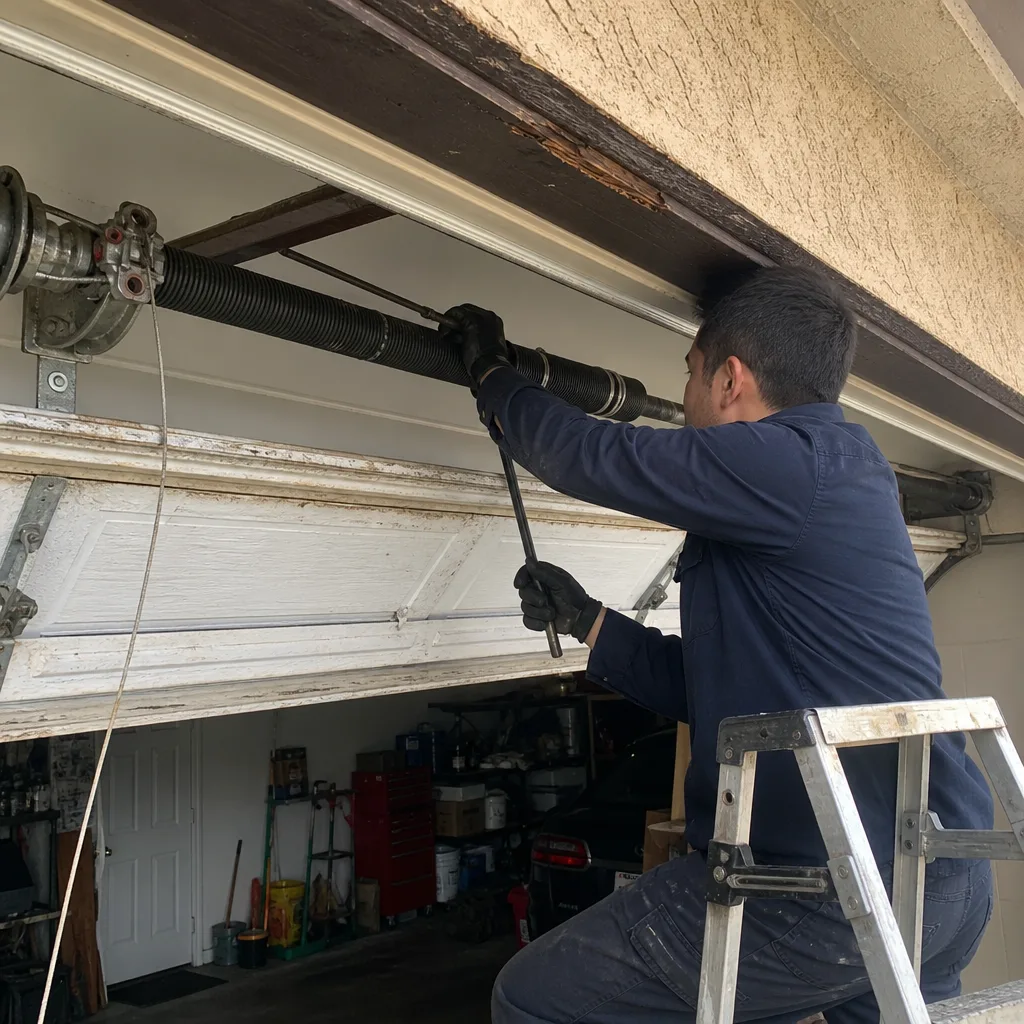 Before
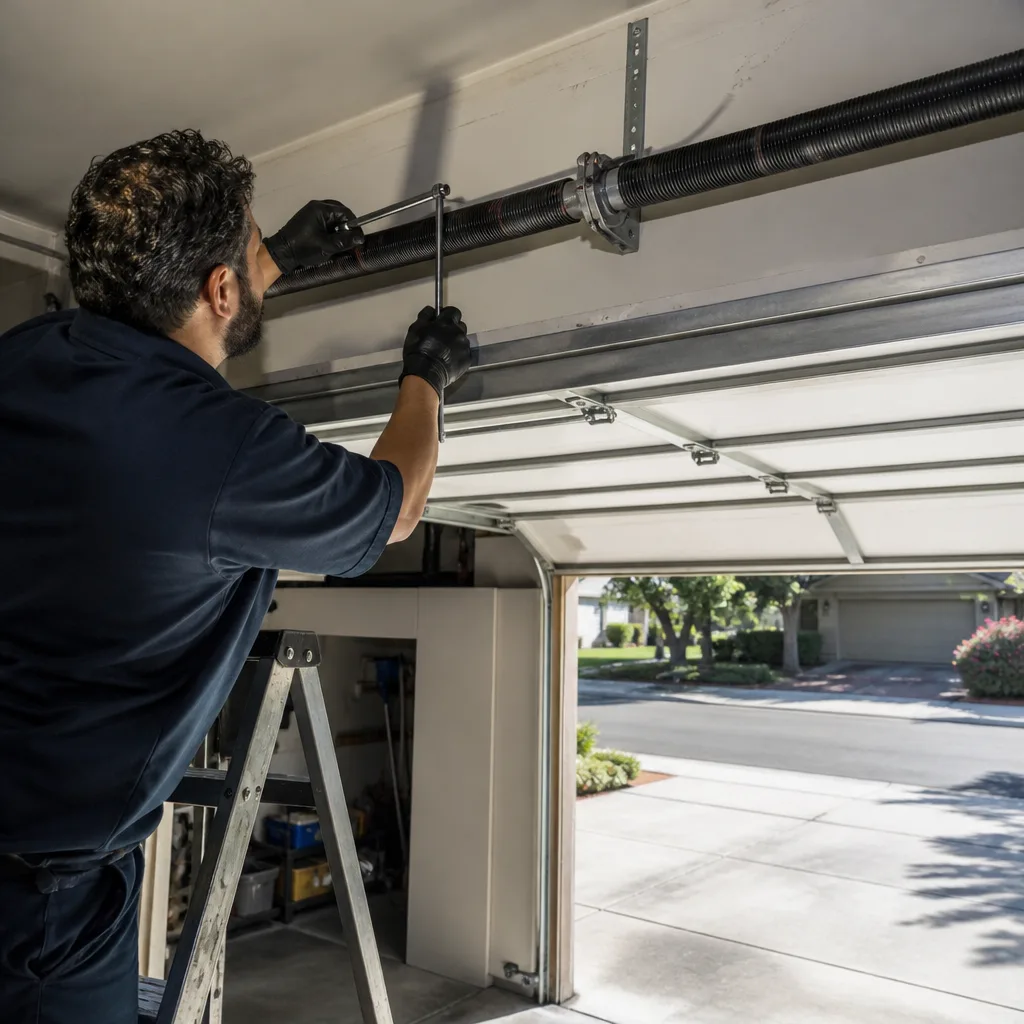 After