
Last updated October 30, 2026
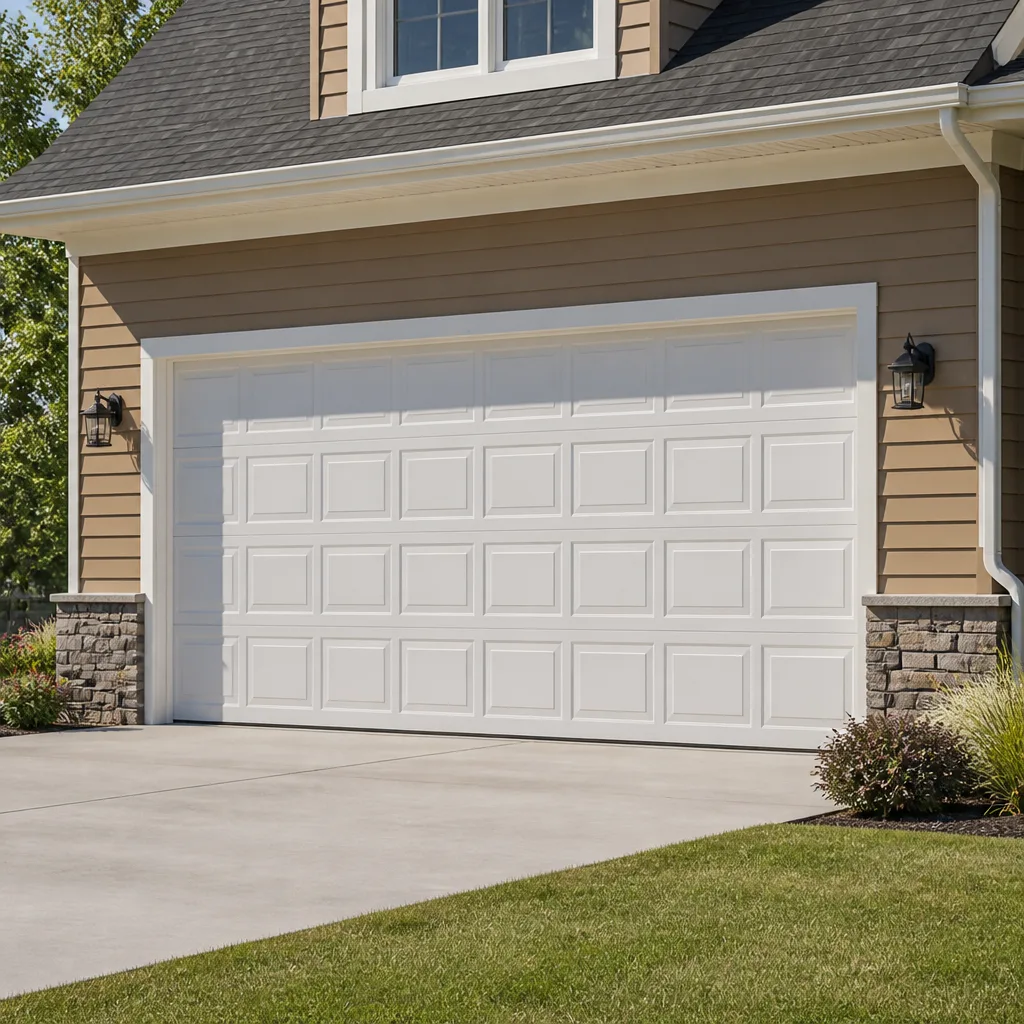 Raised-panel steel
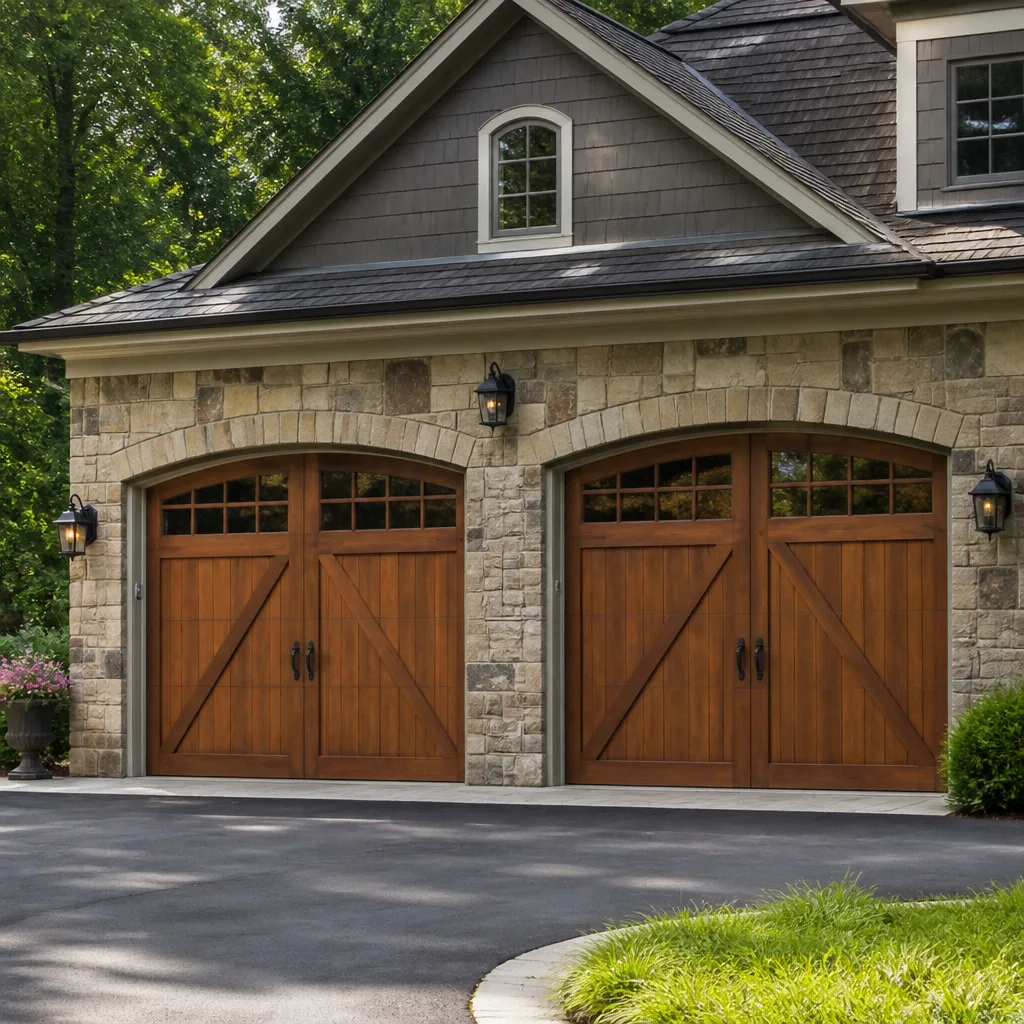 Carriage house
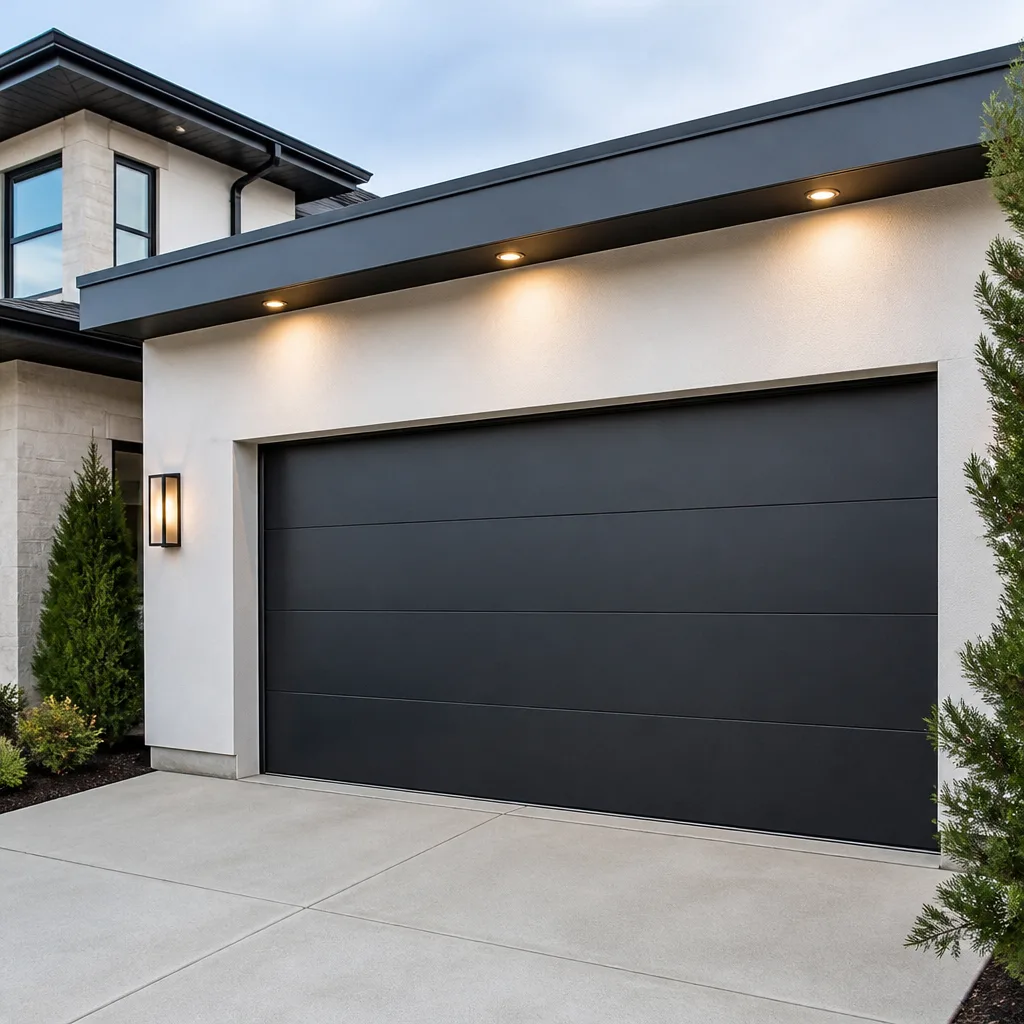 Modern flush
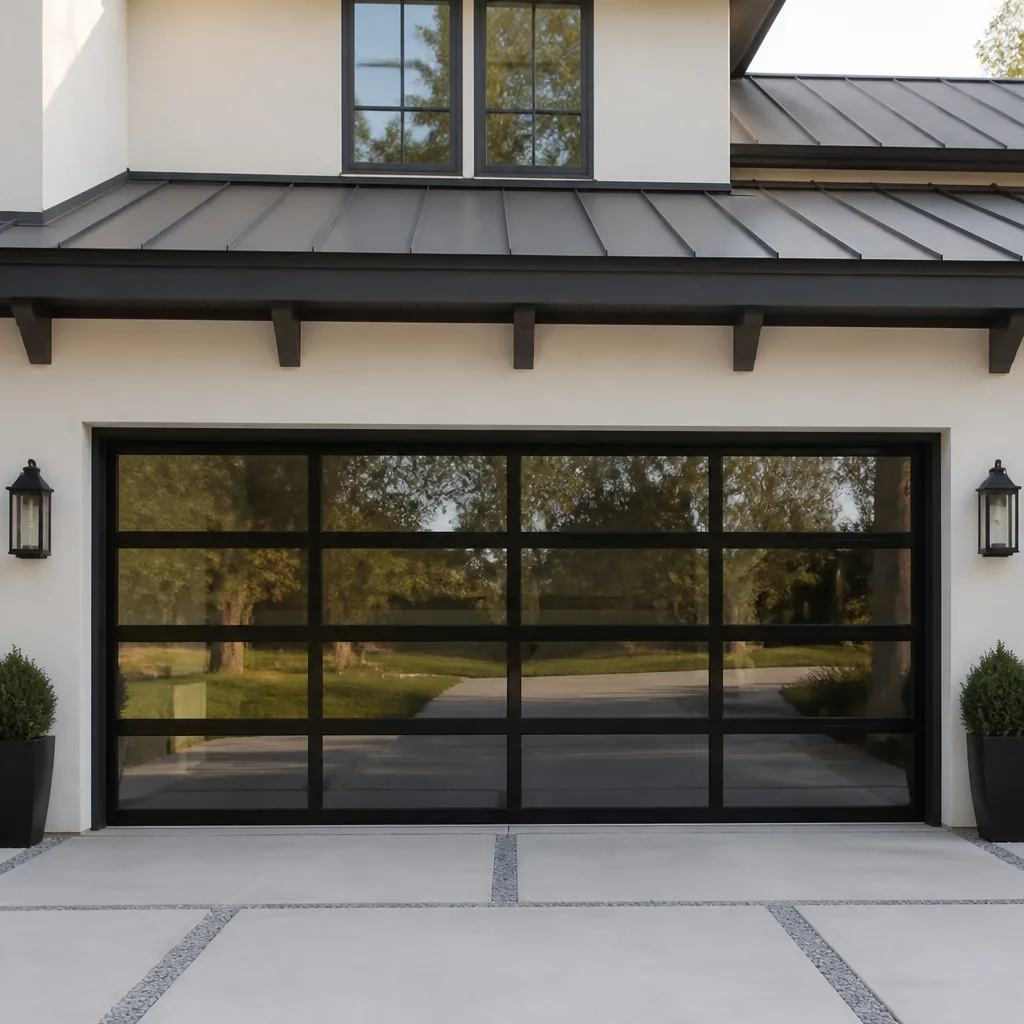 Full-view glass
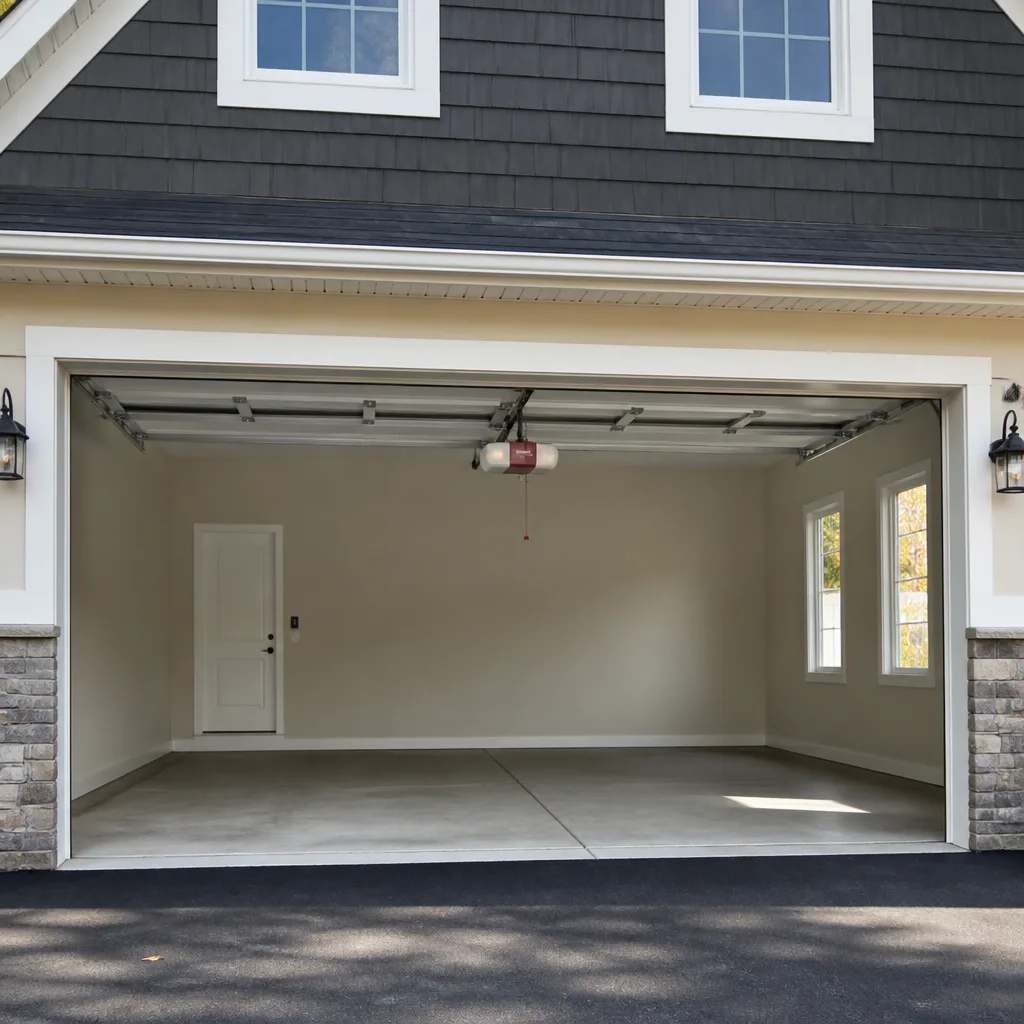 LiftMaster openers
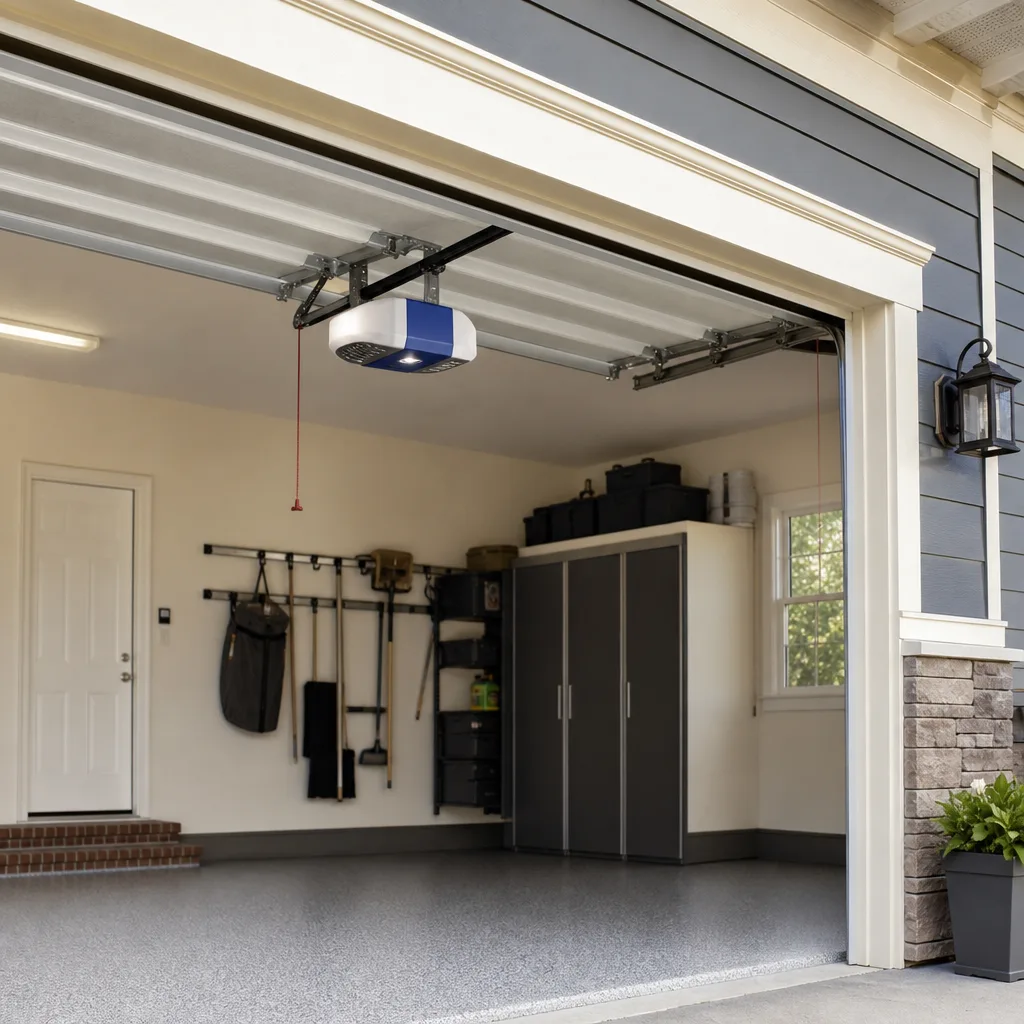 Chamberlain openers
Full 25-point door and opener safety check with every visit - springs, cables, rollers, tracks, and your LiftMaster or Chamberlain opener included
You get a price before we start. It does not change when the truck arrives.
Get your free estimateGarage Door Emergency Preparedness Guide for Roseville Homes
In Roseville, a garage door is not just how you leave for work each morning. It is the largest moving object in your home, it often fronts your most-used entrance, and during the Sacramento Valley’s summer heat events, it can become a trap. The August 2020 rolling blackouts caught thousands of local homeowners off guard, and many could not manually release their opener because they had never located, let alone tested, the red emergency cord. This guide explains how to prepare your Roseville garage for the power outages, heat, and occasional seismic activity that define our area, and what to do when the power is already out and the car is still inside. For more guides & resources, see our blog.
Quick Answer
A garage door emergency in Roseville most often begins with a power outage, a broken spring, or an opener failure, and the single most important preparation is knowing how to operate your door’s manual release and secure the door afterward. Our Garage Door Repair Troubleshooting: Common Problems and How to Fix Them covers these scenarios in depth. Install a battery backup opener if your current unit predates 2019, test your manual release every three months, and keep your opener model, spring type, and door measurements written down near the unit. For immediate help during any garage door emergency in Roseville, call All Star Garage Door Co at (855) 684-6988.
Styles & brands we work with
Table of Contents
- Power Outage Protocol: Getting Your Car Out Safely
- Manual Release for LiftMaster, Chamberlain, and Genie Openers
- Battery Backup Openers: What Actually Works in Roseville Heat
- Earthquake Protocol: Inspecting Your Door Before Operating It
- Emergency Contact Preparation: Information That Accelerates Dispatch
- How to Temporarily Secure a Garage Door That Will Not Latch
- Common Mistakes to Avoid
- When to Call a Professional
- Frequently Asked Questions
Power Outage Protocol: Getting Your Car Out Safely
Roseville’s power grid is generally reliable, but summer heat waves stress the entire Sacramento Valley system. When a rolling blackout hits during a 105-degree afternoon, the garage becomes a priority room. The opener will not lift the door, and if you have never practiced the manual release, you now have a 200-plus pound door that will not move. The good news is the mechanical system works without power. The bad news is that a door can be pushed back down faster than you expect if the spring tension is compromised, and that is where serious finger and hand injuries happen.
Before attempting any manual operation during an outage, look at the door. If it is fully closed, you can proceed with the manual release. If it is partially open, leave it alone and call us. A partially open door with a broken spring or cable can drop suddenly under its own weight. If the door is closed, pull the red emergency release cord, which hangs from the opener rail, and the door will disengage from the opener carriage. You can then lift the door manually by its handle or bottom edge. Lift smoothly. If it feels unusually heavy, a spring has likely failed, and you should stop and get help rather than force it.
Our All Star Garage Door Co home team has responded to hundreds of Roseville outage calls, and the most common secondary problem is a door left open after the power returns because the carriage did not re-engage. When power comes back, run the opener once while the door is in the closed position so the carriage reconnects automatically.
Manual Release for LiftMaster, Chamberlain, and Genie Openers
Most Roseville homes have openers from LiftMaster, Chamberlain, or Genie, and the manual release mechanism differs slightly among them. Knowing your specific unit matters, because pulling the cord on a Genie is different from pulling it on a Chamberlain, and doing it wrong leaves the door jammed in a position that is difficult to diagnose by phone. We have walked dozens of Roseville homeowners through this over the years, and the failure mode is almost always the same: the cord was pulled but the carriage did not fully disengage because the owner had not pulled the cord toward the opener and then pulled the door handle simultaneously.
- LiftMaster and Chamberlain (including most belt- and chain-drive units made since 2010): Locate the red cord hanging from the trolley on the rail above your car. Pull the cord straight down and toward the opener motor. You will hear a click. The trolley is now free. Lift the door with both hands from the bottom handle. Do not use the opener wall button while the door is in manual mode.
- Genie (screw-drive and newer belt-drive models): The release cord on Genie units often hangs from the carriage itself rather than the rail. Pull the cord toward the motor unit. On some Genie models, you must then slide a small metal tab on the carriage to fully release the door. If the door still feels attached after pulling the cord, do not yank harder. Check for the tab.
- Older units (pre-2000 models from any brand): Some older openers use a pull-rope rather than a red cord, and the disengagement point is the carriage itself, not a handle. Pull the rope toward the door, then lift from the bottom edge. These doors are heavier because older spring systems have more tension. If it will not move, stop.
After the outage ends, re-engage the door by running the opener with the door in the closed position until the carriage clicks back onto the rail. Test the door with the opener twice. If it reverses, opens unevenly, or makes a grinding sound, something else is wrong. For Garage Door Repair in Roseville, we handle post-outage issues every summer.
Battery Backup Openers: What Actually Works in Roseville Heat
Battery backup openers have become common in Roseville because our power grid is reliable until it is not, and the hottest afternoons are when outages arrive. The backup system is simple: a sealed battery sits inside or beside the opener motor and powers the door for a limited number of cycles when the main power fails. In our experience, most backups run the door for 20 to 50 cycles depending on the unit, which is more than enough to get your car out and secure the home until power returns.
The heat is the problem. Roseville routinely sees garage temperatures above 100 degrees in July and August, and lead-acid batteries degrade much faster above 90 degrees than the specification sheets suggest. A lead-acid backup battery that is rated for three years may only last two in a west-facing garage in Sun City or Westpark. Lithium-ion batteries, which are used in newer LiftMaster and Chamberlain backup units, handle heat far better. They cost more, but they do not swell or leak the way lead-acid units do in sustained heat, and they hold their charge through more outage events.
If your opener predates 2019 and does not have a factory backup, you have two reasonable options. You can replace the opener with a backup-ready model, which is what most Roseville homeowners do after their first outage, or you can add an aftermarket battery unit to some LiftMaster and Chamberlain models. Adding a battery to an opener that was not designed for one is usually not worth the cost or the risk. Our recommendation: if your opener is over eight years old and you rely on your garage as a daily entry, replace the opener with a backup-equipped unit. If it is newer, ask us whether your model supports a factory backup upgrade. Most do.
Earthquake Protocol: Inspecting Your Door Before Operating It
Roseville sits on the eastern edge of the greater Sacramento seismic zone, and while we are not on the San Andreas, our area does feel smaller earthquakes, and the risk of a significant event increases as you move east toward the Sierra foothills. Garage doors are particularly vulnerable after a seismic event because the door and track system is bolted to the wall and ceiling, and a shift of even half an inch can misalign the rollers, damage the horizontal track, or compromise the spring anchoring. Operating the door immediately after a quake without inspecting it can cause a panel to jump the track, which often results in a door coming down hard.
The structural check that prevents a panel collapse is the horizontal track inspection. Stand inside the garage and look at the two horizontal tracks above the door. The tracks should be straight, with no visible gap between the track and the wall, and the curve where the vertical and horizontal tracks meet should be a smooth arc on both sides. If either side shows a gap, a bow, or a visibly shifted mounting bracket, do not operate the door by hand or by opener. The panel is no longer supported on both sides, and the next cycle can fold it. That is the one check that saves more doors than any other.
After an earthquake, also check the spring system. Look at the torsion spring above the closed door. If the spring has a visible gap in the middle that did not exist before, or if the spring appears unwound or separated, it has failed or shifted. Do not touch it. Torsion springs are under high tension and release that energy violently. Call a professional. Our team handles Garage Door Opener Repair in Roseville as well as structural door repair after seismic events.
Emergency Contact Preparation: Information That Accelerates Dispatch
When you call a technician during a Roseville garage door emergency, the call goes faster and the repair gets scheduled sooner if you have three pieces of information ready. Most homeowners do not, and the technician spends the first ten minutes on the phone asking questions that could have been answered from a card taped to the wall. The best time to gather this information is today, not during an outage or a broken spring emergency. Our Garage Door Repair Maintenance Checklist for Roseville Homeowners has a full preparation list. Write it down and tape it near the opener, or take a photo with your phone and save it to a folder labeled “Garage Door.”
- Opener brand and model number: The model is usually printed on a sticker on the side of the motor unit. LiftMaster models start with numbers like 8500 or 8355. Chamberlain models are often three or four digits. Genie models are alpha-numeric. Having this number lets us bring the right parts on the first trip.
- Door manufacturer and approximate height: Clopay, Amarr, and Wayne Dalton doors dominate the Roseville market, and each uses different panel profiles and hardware. The door height matters because spring tension and cable length are calculated from it. A standard Roseville garage door is 7 feet tall, but many newer homes in Fiddyment Farm and Whitney Ranch have 8-foot doors.
- Spring type and location: Look above the closed door. If you see a long coiled spring mounted horizontally on a bar above the door, that is a torsion spring. If you see two smaller springs stretching along the horizontal tracks on both sides, those are extension springs. Torsion springs are safer and more common in Roseville. Knowing which type you have helps us quote more accurately over the phone.
If you cannot find the model number, do not climb a ladder or stand on your car to look for it. Our technicians can identify the unit on site. The goal is preparation, not risk.
How to Temporarily Secure a Garage Door That Will Not Latch
Occasionally, the failure is not the opener or the spring but the latch or lock. Roseville homes with older wooden doors or carriage-style doors sometimes have a center lock bar that fails, and homes with newer doors may have a track lock that will not engage. If the door will not lock, the garage becomes a security opening into the home, and that is not acceptable overnight. The temporary fix must secure the door without creating a new safety hazard, which means do not wedge anything into the track that could become a projectile if the opener is accidentally activated.
A safe temporary lock uses the door’s own track. Obtain a pair of vice grip pliers or a small C-clamp, and clamp it onto the vertical track just above one of the door rollers. This physically blocks the roller from moving upward, which prevents the door from being lifted from outside. Place the clamp on the side of the track closest to the interior, and place it high enough that it is not reachable through a top panel gap. If you have a two-car garage, secure both sides. Remove the clamp before operating the door, and if anyone in the house might press the garage wall button, unplug the opener or disable the wall button first.
For a broken latch, a sliding bolt installed into the side track is a more permanent solution, but it requires drilling into the door or track. That is work we do during normal service calls. During an emergency, the clamp is the standard recommendation we give to Roseville homeowners when they call about a door that will not secure. If you are unsure whether the clamp you own is strong enough, or if the door has a broken latch and a failed spring simultaneously, call us before improvising.
Common Mistakes to Avoid
- Pulling the red cord while the door is open. If the door is up and the spring is broken or the cable has slipped, pulling the release cord lets the door fall. The cord is for emergency use, and the emergency is usually that the door is closed and the power is out.
- Testing the manual release for the first time during an actual outage. The mechanism is simple, but if the cord is tangled, the carriage is sticky, or the door is unusually heavy, the outage is the worst time to discover it. Test the release on a calm Saturday afternoon.
- Assuming any battery backup will survive a Roseville summer. We have replaced lead-acid backup batteries in Westpark garages after just two summers. If your garage faces west or south, check the battery every spring.
- Operating a door after an earthquake without looking at the horizontal track. The number of panel collapses we have seen after small seismic events is not huge, but every one of them followed a homeowner who hit the opener without checking the track first. The check takes thirty seconds.
- Calling a locksmith to open a garage door during a power outage. Locksmiths unlock doors. A garage door that will not open because of an outage is a door system problem, and the manual release is already inside your garage. Save the locksmith call for an actual lock.
- Clamping a door shut from the outside only. A clamp on the outside of the track is visible and removable by anyone with vise grips. Always clamp from inside the garage.
- Waiting until the door fails to write down the opener model. The sticker is always hard to reach when you are in a hurry, and the opener model is the single most useful piece of information for us on an emergency call.
When to Call a Professional
Some garage door emergencies are handled with preparation and a manual release pull. Others are not. Call a professional when the door will not open manually after pulling the release cord, which usually means a broken spring or a disconnected cable. Call when the door opens but reverses immediately, which indicates a sensor or force-setting problem that will not fix itself. Call when the door is partially open and will not move in either direction, because that is the most dangerous position for an amateur diagnosis. Call when the spring has a visible gap, when the horizontal track has separated from the wall, or when you cannot re-engage the opener after an outage.
For any of these situations in Roseville, All Star Garage Door Co offers a free estimate. We are garage door specialists, not a general handyman outfit, and we work on LiftMaster, Chamberlain, Genie, Clopay, and the other major brands installed across Roseville. Call (855) 684-6988 to describe what is happening, and we will tell you whether it is safe to operate the door and what the next step should be.
Frequently Asked Questions
Pull the red emergency release cord hanging from the opener rail, which disengages the door from the opener carriage, then lift the door by its bottom handle. If the door feels unusually heavy, stop and call us at (855) 684-6988 because a spring has likely failed.
If your opener is older than about eight years and your garage is your primary entry, a battery backup is worth the cost, especially given Roseville’s summer grid stress. Newer lithium-ion backups handle our heat far better than older lead-acid units.
Check the two horizontal tracks above the door for gaps or bows, and look at the torsion spring for a visible separation or unwinding. If either is present, do not operate the door and call a professional immediately.
Clamp vise grips onto the vertical track just above a roller on each side from inside the garage. This blocks the door from being lifted. Do not operate the opener while the clamps are in place.
Have your opener brand and model number, your door manufacturer and height, and your spring type (torsion or extension) written down near the unit. This lets us bring the right parts and quote the repair more accurately.
For most spring and opener failures, yes, and we carry common parts for LiftMaster, Chamberlain, Genie, and Clopay on the truck. Call (855) 684-6988 for the current schedule and a free estimate.
The Bottom Line
Roseville garage door emergencies follow a pattern: a heat-driven power outage, a spring failure on a door that gets four cycles a day, or a post-earthquake structural shift that goes unnoticed until the door will not move. The preparation that matters is not complicated. Test your manual release quarterly, know your opener model, have a backup power plan if your opener predates 2019, and inspect the tracks after any seismic event. None of this takes more than an hour to set up, and it means that when the power goes out on a 107-degree afternoon or the spring fails at 7:00 a.m., you can get your car out and secure your home without a scramble. And if the door still will not cooperate, our team at All Star Garage Door Co is one call away at (855) 684-6988.
Written by the team at All Star Garage Door Co, serving Roseville since 2015.
See the difference
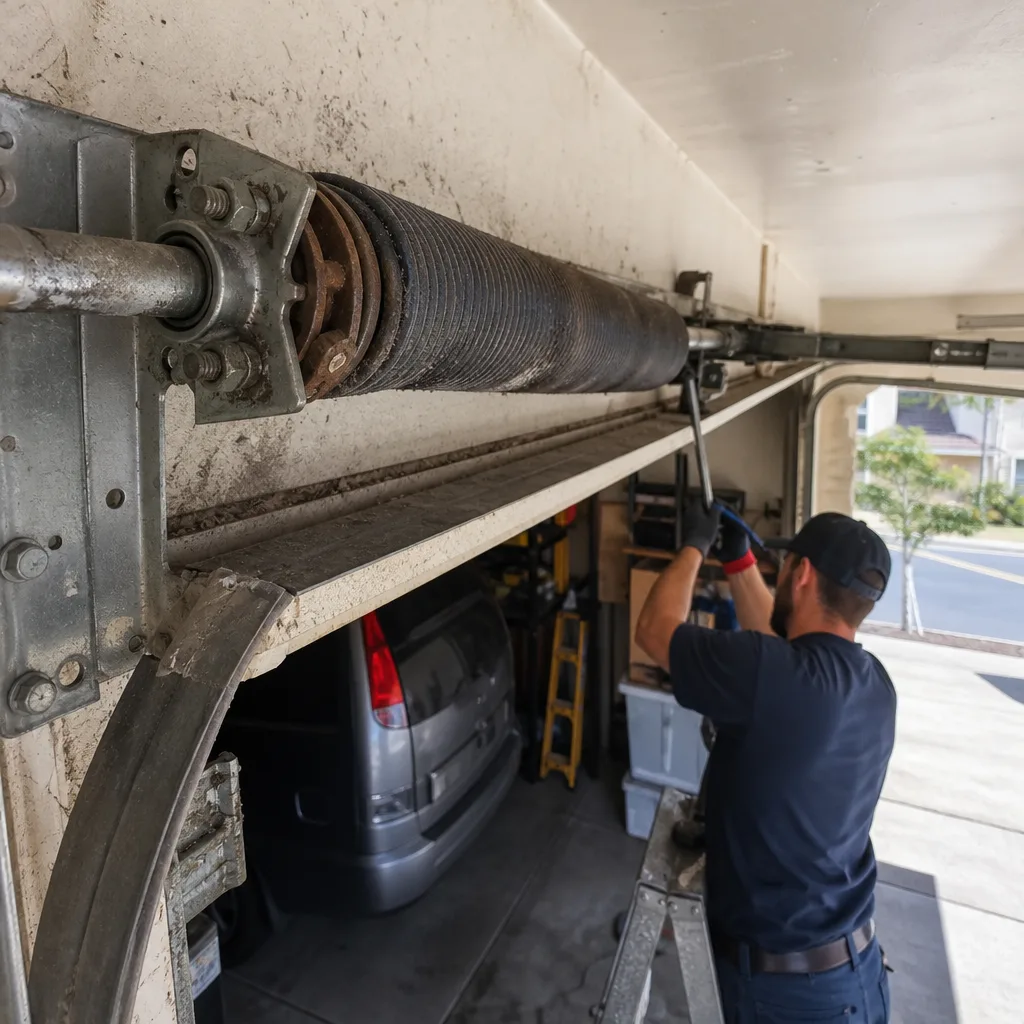 Before
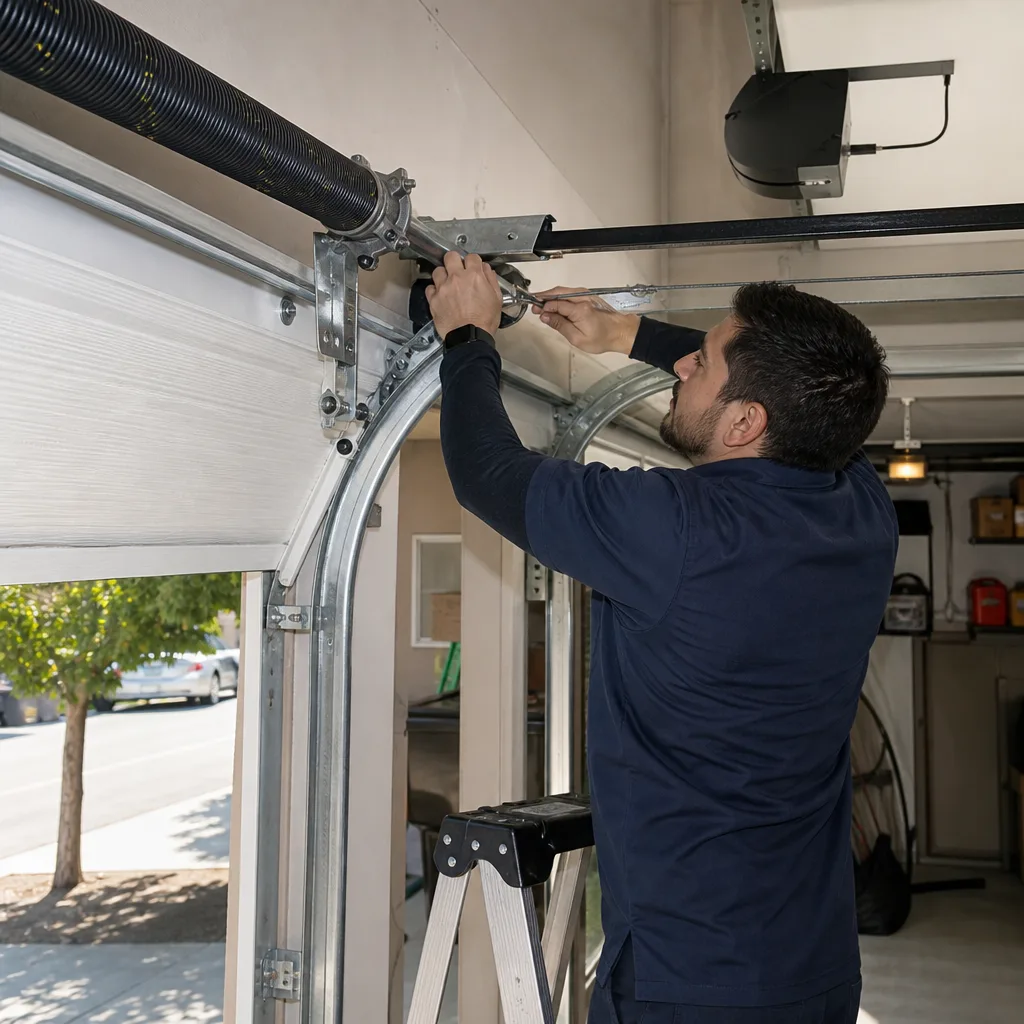 After
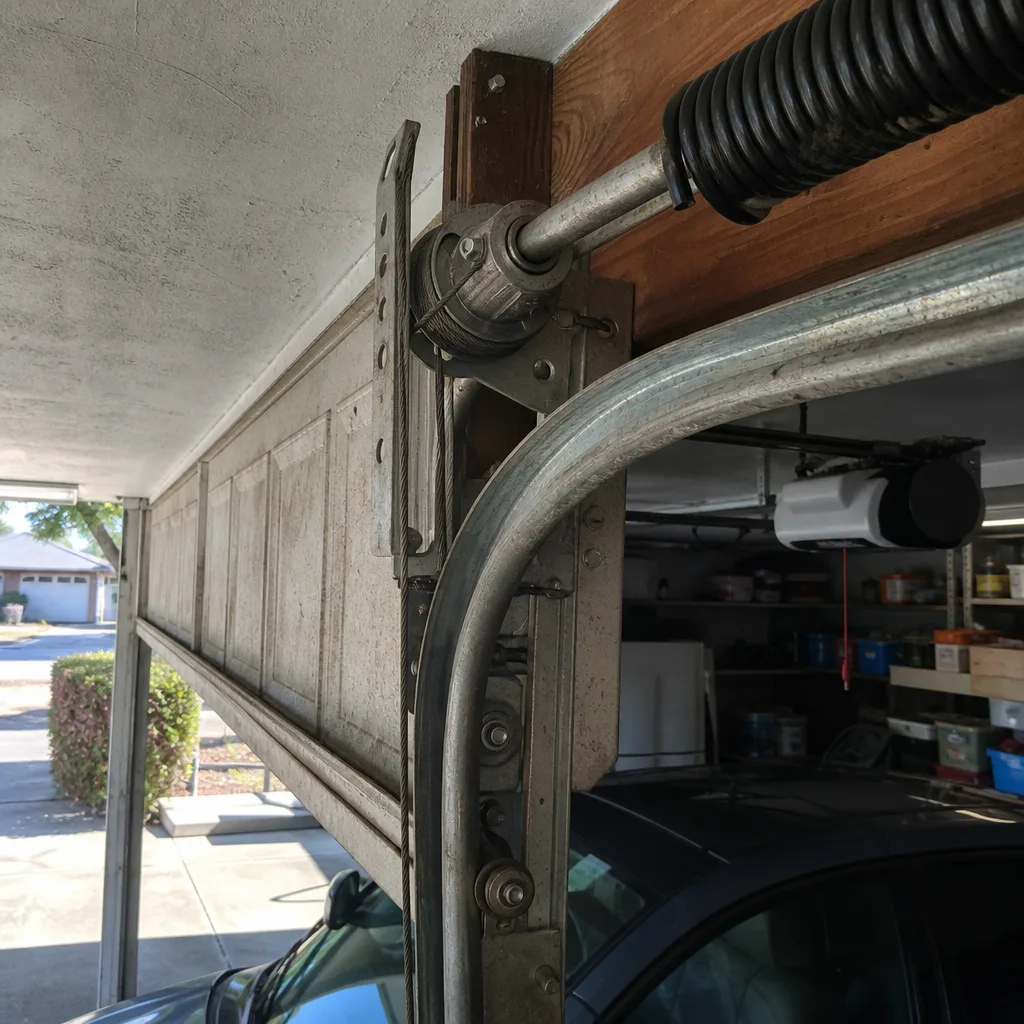 Before
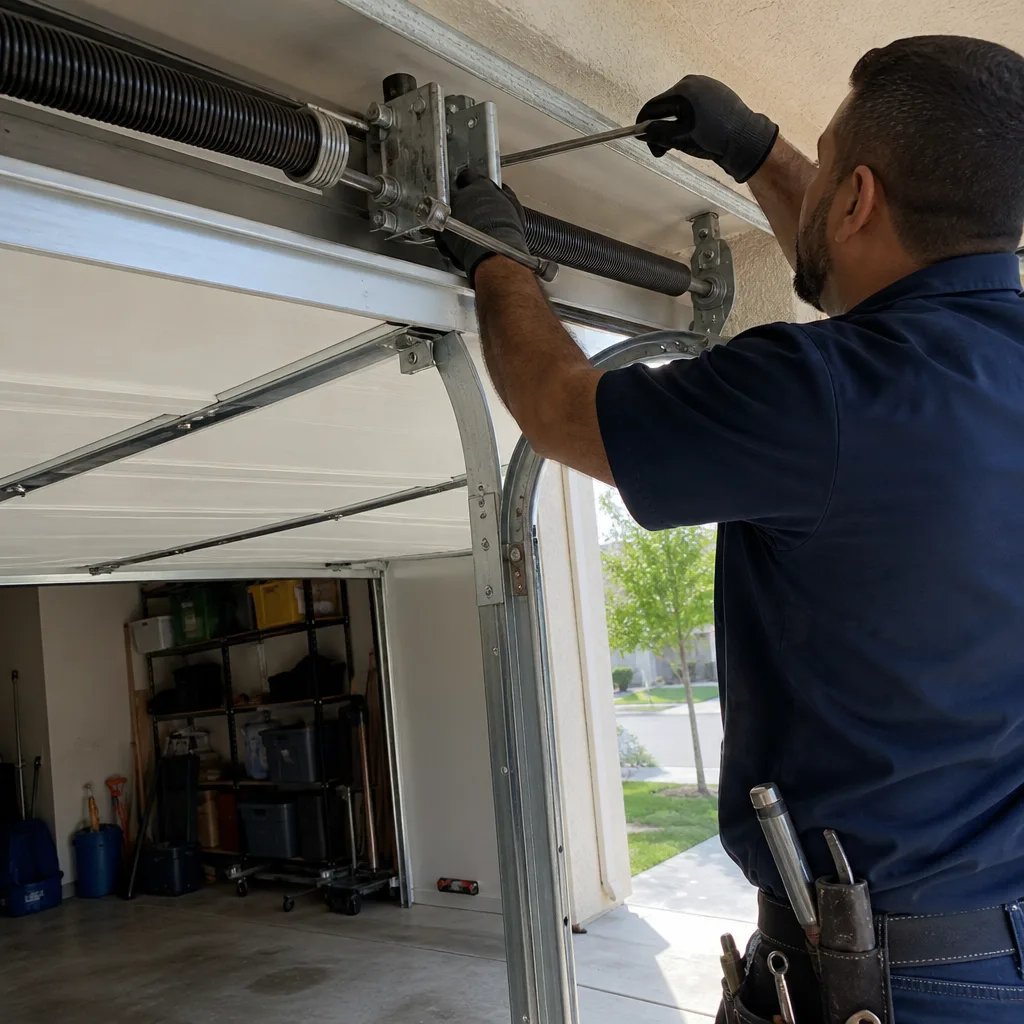 After
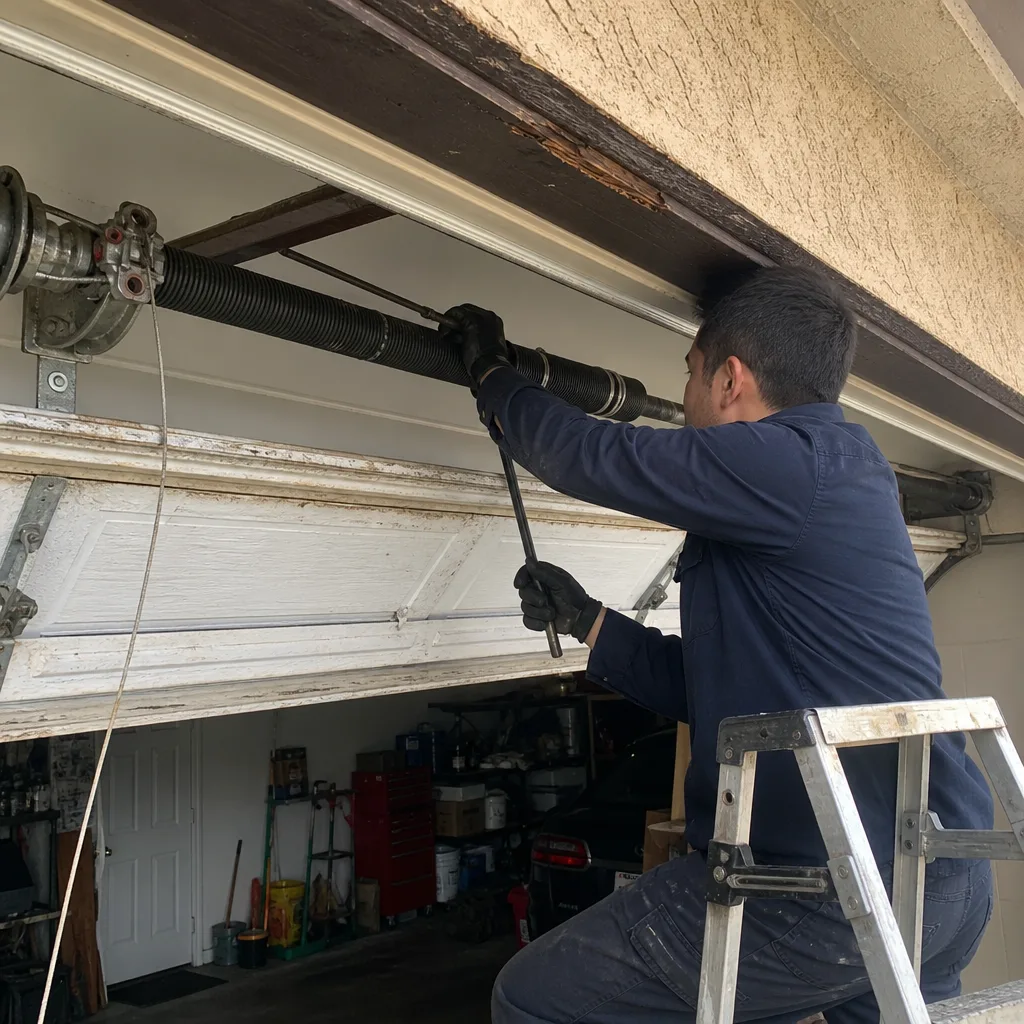 Before
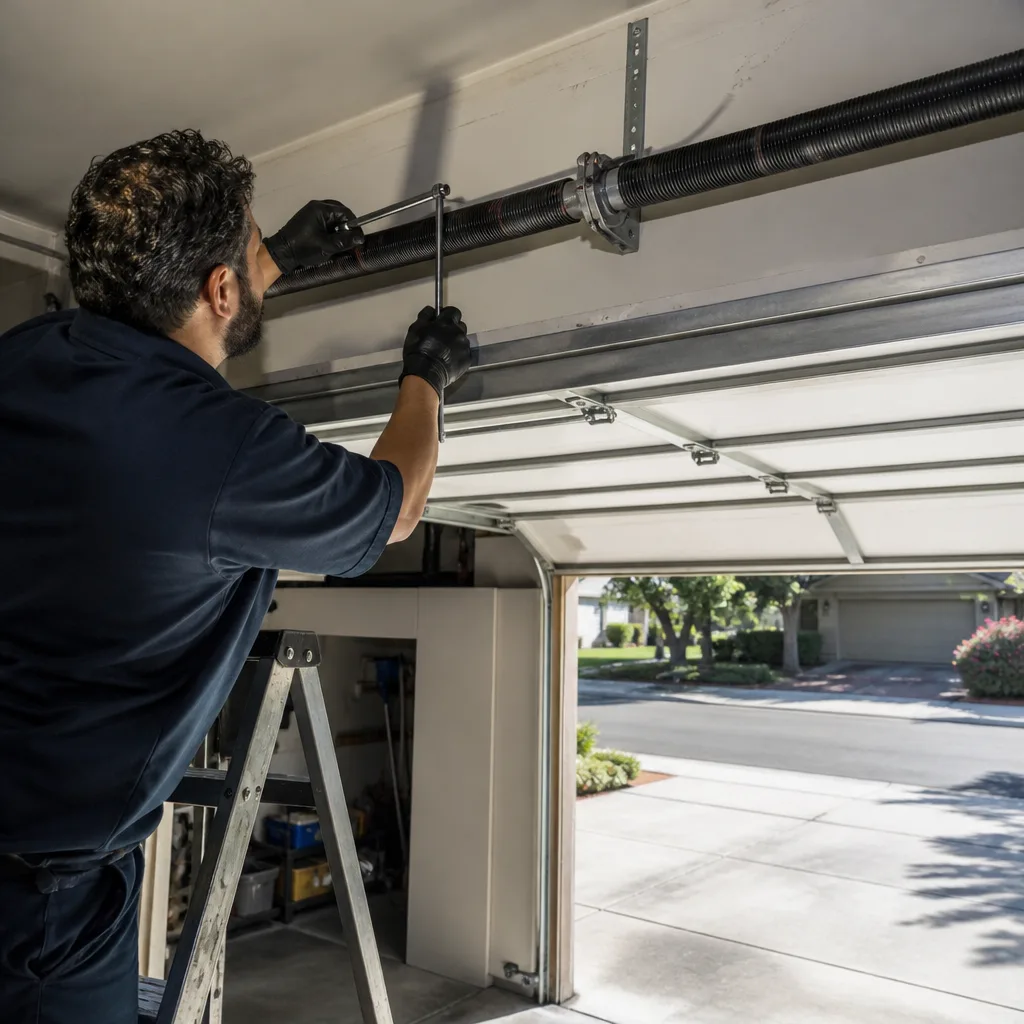 After