
Last updated October 30, 2026
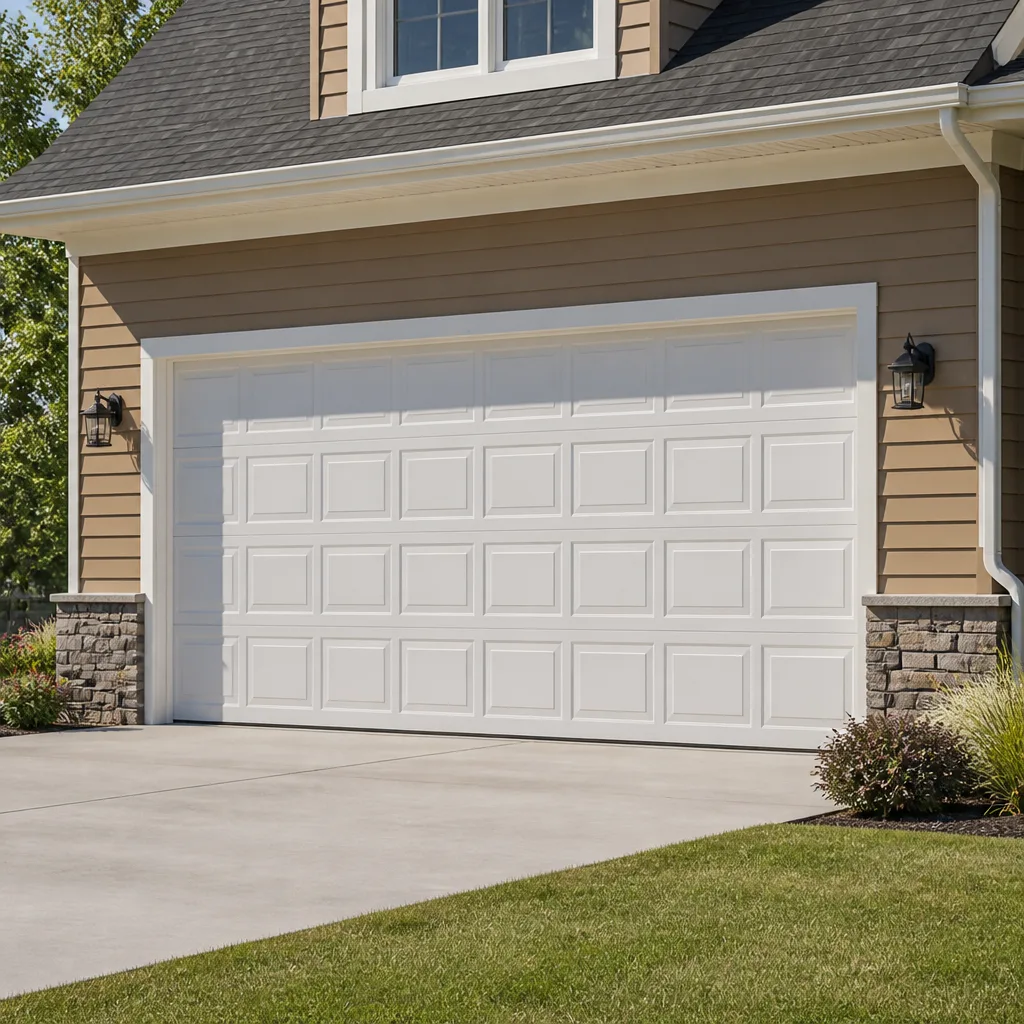 Raised-panel steel
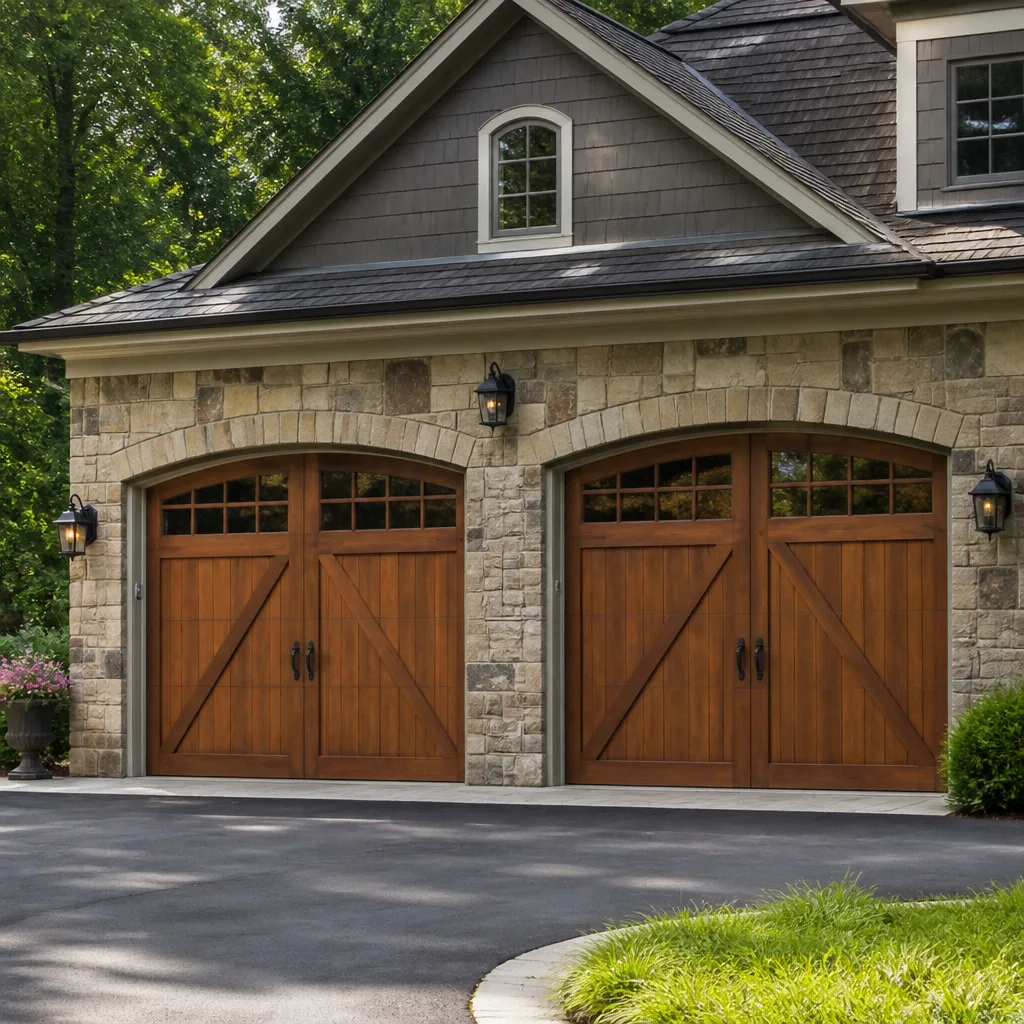 Carriage house
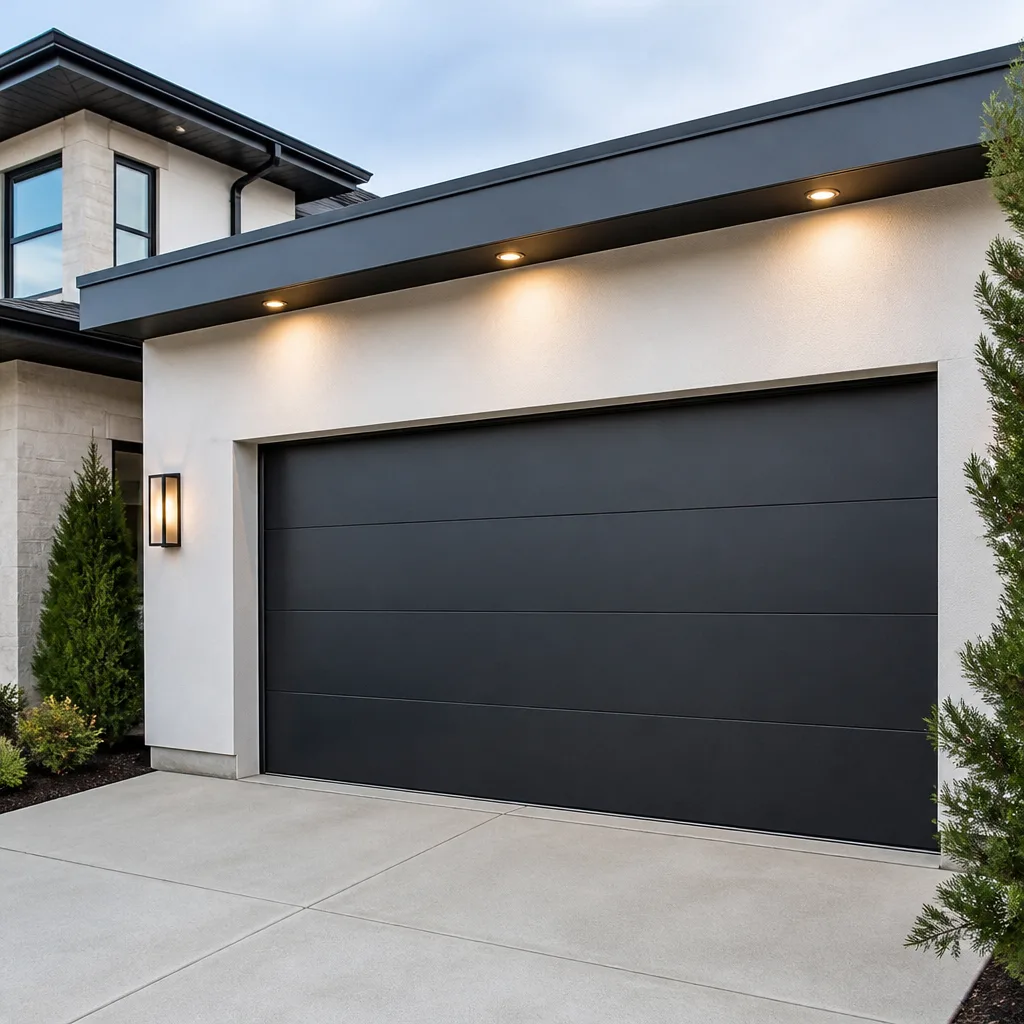 Modern flush
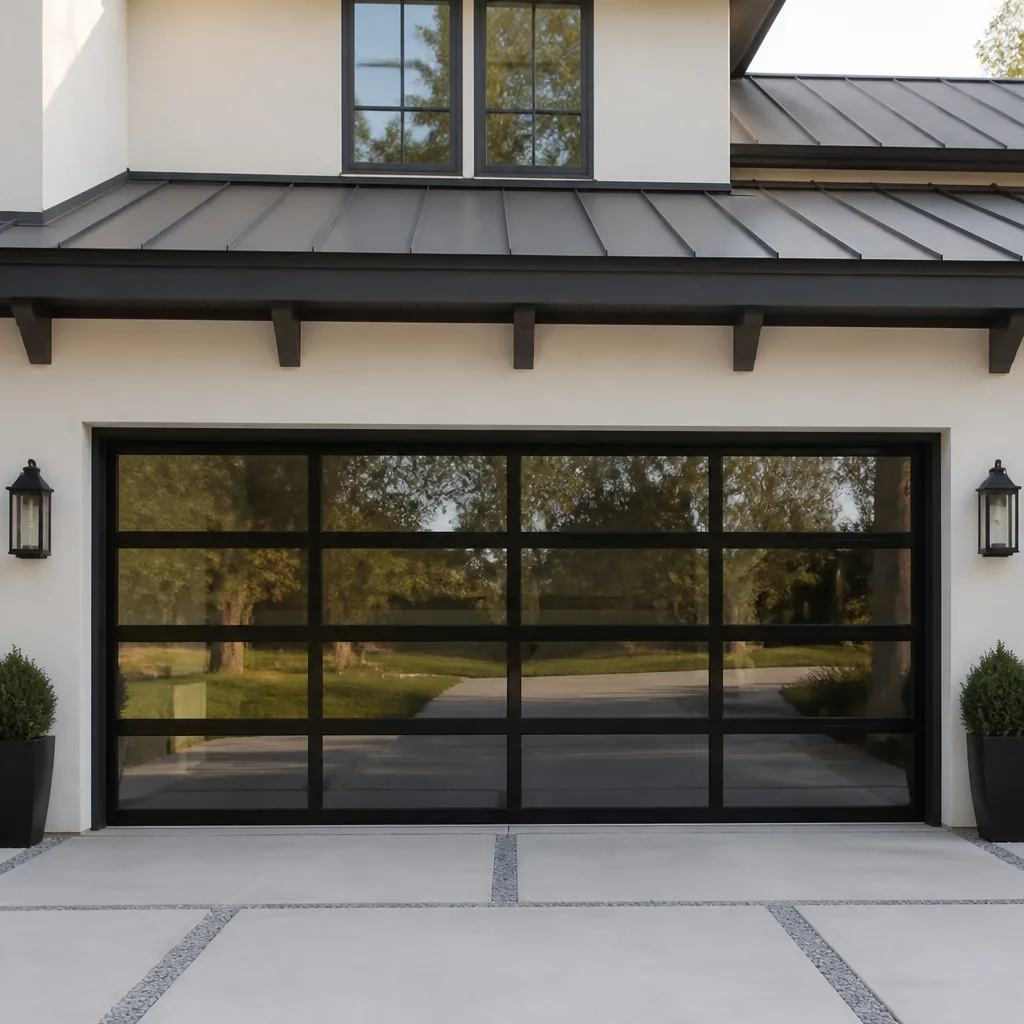 Full-view glass
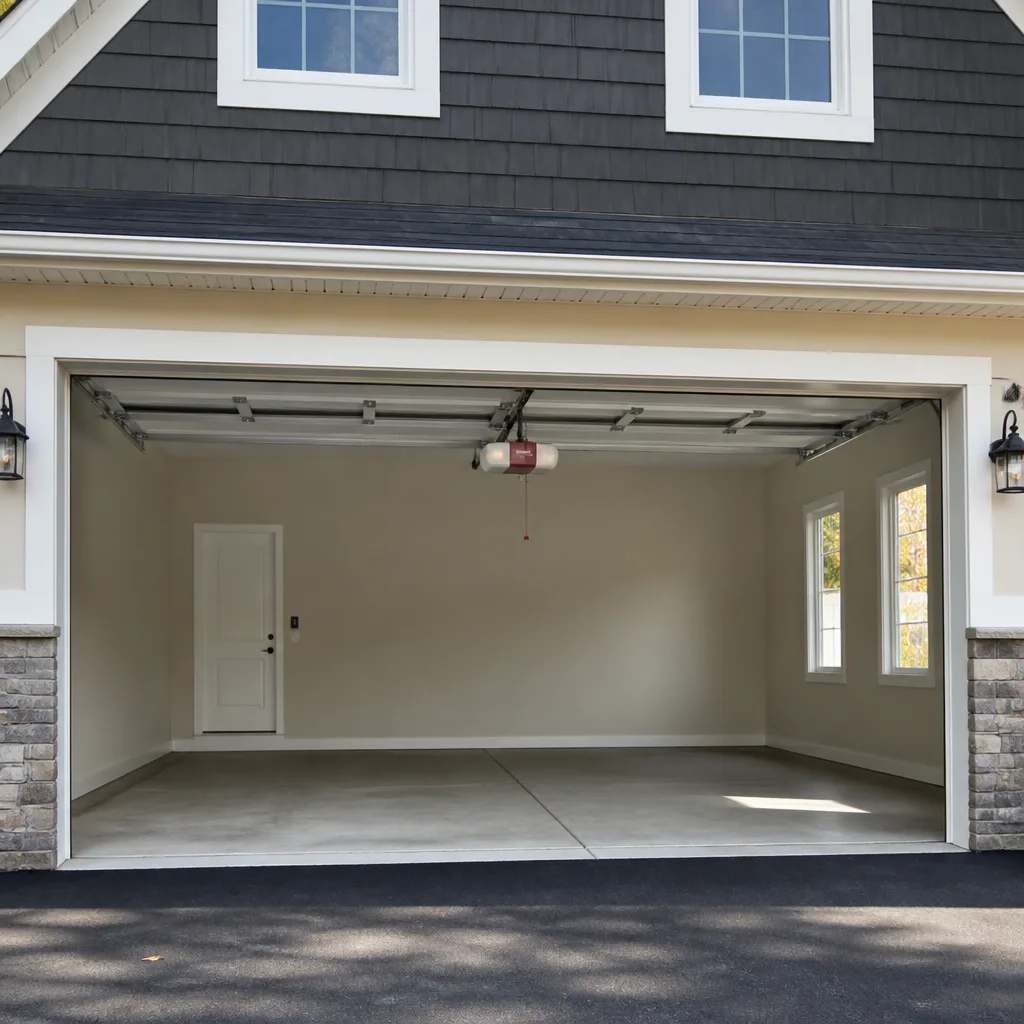 LiftMaster openers
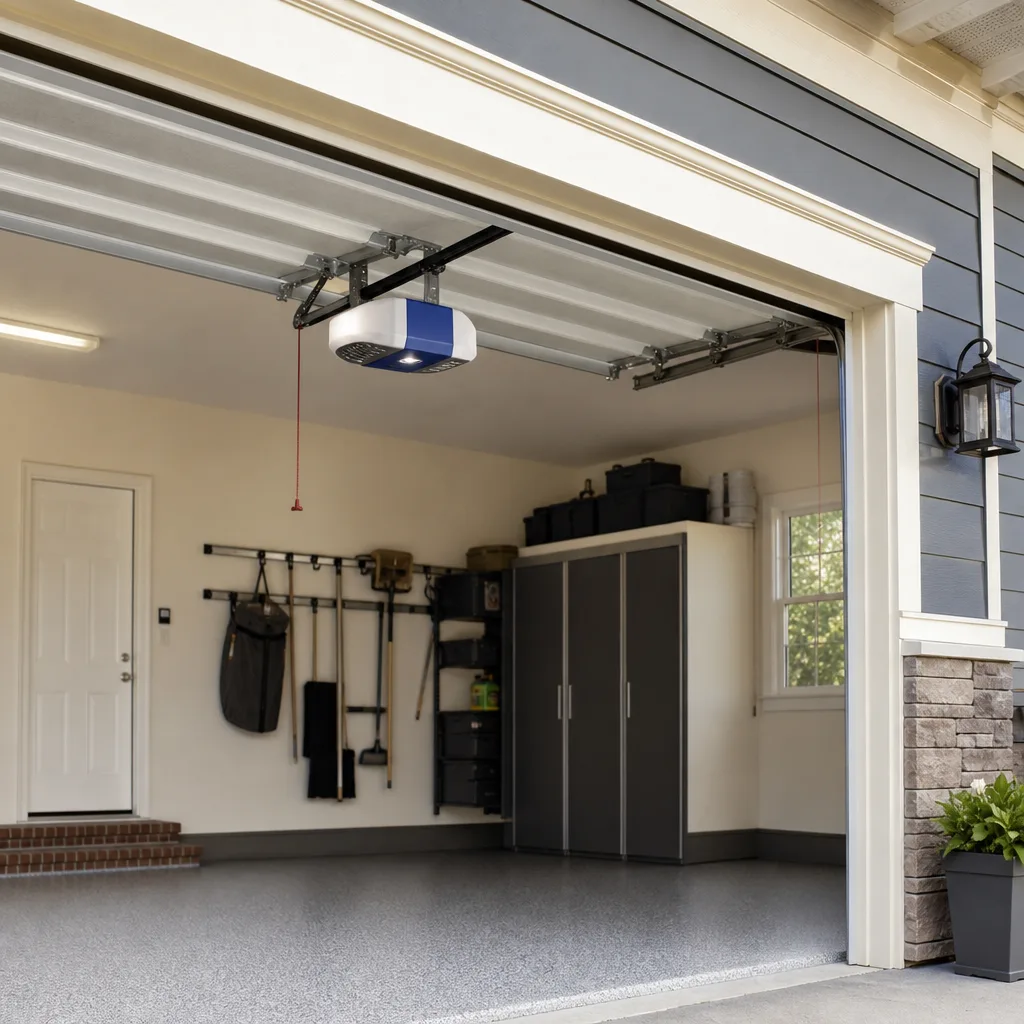 Chamberlain openers
Full 25-point door and opener safety check with every visit - springs, cables, rollers, tracks, and your LiftMaster or Chamberlain opener included
You get a price before we start. It does not change when the truck arrives.
Get your free estimateGarage Door Repair Maintenance Checklist for Roseville Homeowners
The number one cause of premature garage door spring failure in Roseville isn’t age, it’s the 60°F daily temperature swing common to Sacramento Valley summers. A spring that cycles from 60°F at dawn to 105°F by late afternoon experiences metal fatigue at roughly twice the rate of a door in a moderate coastal climate like San Diego or Monterey. Most maintenance checklists you’ll find online are recycled from national sources and treat every garage door the same, unlike our Garage Door Repair services tailored to local conditions. This one is built around the specific failure patterns we actually see in Roseville: spring fatigue from temperature cycling, track rust from winter valley fog, and opener strain from uninsulated doors running against triple-digit ambient temperatures. You’ll learn what to check monthly, which seasonal tasks matter most here, and which two spring checks require a technician’s hands.
Styles & brands we work with
Quick Answer
A Roseville garage door maintenance checklist should include monthly visual inspections of springs, cables, rollers, and tracks; quarterly lubrication with a lithium-based spray or silicone lubricant (never WD-40); biannual weatherstripping checks for heat-set deformation; an annual opener force-setting test; and documentation of every inspection so trends become visible before failures happen. The most maintenance-critical months in Roseville are May, June, September, October, and January, when fog and temperature swings stress components hardest.
Table of Contents
- Why Roseville’s Climate Demands a Different Maintenance Schedule
- The Monthly 10-Point Inspection Checklist
- Roseville Lubrication Guide: What to Use, What to Avoid, and When
- Weatherstripping and Heat-Set Deformation: The Inland California Problem
- The 5-Point Spring Tension Test (And the 2 Checks You Shouldn’t Do Yourself)
- Opener Force-Setting Drift: Why Roseville Homes Need a Spring Re-Test
- Documentation Cadence: What to Log After Each Inspection
- Common Mistakes to Avoid
- When to Call a Professional
- Frequently Asked Questions
- The Bottom Line
Why Roseville’s Climate Demands a Different Maintenance Schedule
Roseville sits in the Sacramento Valley, which means hot, dry summers, cool, damp winters, and the occasional stretch of tule fog that settles in for days. Each of these weather patterns stresses garage door components differently, and a maintenance schedule written for a national audience misses all of it—read our Garage Door Warning Signs: A Roseville Homeowner’s Reference Guide to spot local trouble early.
During summer, daytime highs routinely reach 100°F and beyond, while overnight lows can drop into the 60s. That 40°F to 60°F daily swing causes metal to expand and contract on a predictable cycle. Torsion springs, which are already under enormous tension, absorb that expansion-contraction stress every single day from June through September. Over the course of a season, that’s roughly 120 thermal cycles. In a coastal climate with a 15°F daily swing, a spring might see the equivalent stress in a third of the time. We’ve replaced springs in Roseville homes that were only four or five years old, not because they were defective, but because the thermal cycling had worn them out early.
Winter brings different problems. Valley fog raises humidity levels dramatically, and condensation forms on metal surfaces that stay cool all day. Tracks, hinges, and springs can develop surface rust faster than homeowners expect. Once rust starts in a track, rollers encounter resistance, the opener works harder, and wear accelerates across the entire system.
A Roseville maintenance schedule needs to account for all of this: more frequent lubrication during dry months, more frequent rust checks during fog season, and a spring re-test every March when temperatures start climbing again. A generic once-a-year checklist will not catch problems before they interrupt your morning.
The Monthly 10-Point Inspection Checklist
This is the checklist we recommend every Roseville homeowner run through once a month. It takes about 15 minutes, requires no special tools beyond a flashlight and a step stool, and catches most problems before they turn into repair calls.
- Listen to the door cycle once. Close the door from inside the garage and listen. A healthy door makes a consistent, low mechanical hum. Grinding, squealing, or rattling sounds are early warning signs. Grinding usually means worn rollers or bearings. Squealing means lubrication is needed. Rattling means something is loose.
- Watch the door move through a full cycle. It should move smoothly without jerking, bouncing, or hesitating. Any change in speed mid-cycle suggests an opener force-setting issue or a mechanical bind in the track.
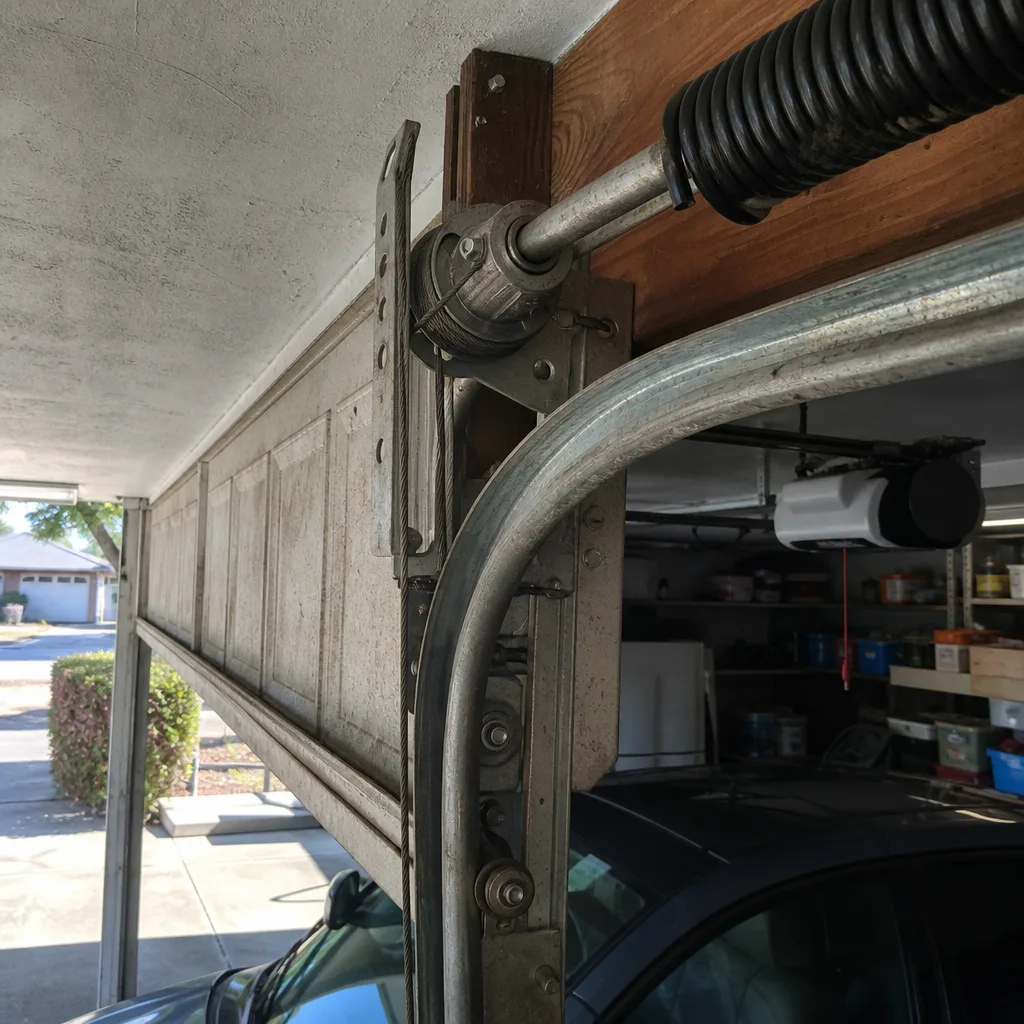
- Check the torsion springs. Look at the springs above the door. They should be intact with no visible gaps, rust streaks, or deformation. A spring with visible rust or a gap in the coil is nearing failure.
- Inspect the cables. The lift cables on both sides should be taut and free of fraying. A frayed cable can snap under load, which is dangerous and will leave the door stuck.
- Check the rollers. Steel rollers should sit fully in the track. Nylon rollers should be free of cracks or chips. Any roller that wobbles or has a flat spot needs replacement.
- Inspect the tracks. Look for rust spots, bends, or debris. Roseville’s winter fog can cause surface rust within a single season if the track isn’t protected.
- Test the auto-reverse function. Place a roll of paper towels or a 2×4 flat on the ground under the door’s path and close it. The door should reverse within a second of contacting the object. If it doesn’t, the opener needs immediate attention.
- Check the photo-eye sensors. The sensors near the bottom of each track should have steady indicator lights. If a light is blinking or dark, the sensors are misaligned or obstructed.
- Examine weatherstripping. The bottom seal and side seals should be flexible and making full contact. Cracks, brittleness, or gaps mean replacement time. More on heat-set deformation below.
- Look at the door balance. Pull the release handle to disengage the opener, then manually lift the door to waist height. It should stay in place without drifting up or down more than a few inches. If it falls, the springs are losing tension.
That tenth check is the one most homeowners skip, and it’s the most important. A door that doesn’t balance is a door that will eventually strain the opener to failure or drop unexpectedly.
Roseville Lubrication Guide: What to Use, What to Avoid, and When
Lubrication is the single highest-value maintenance task a homeowner can perform, and it’s also the one most people get wrong. Here’s what Roseville’s dry heat means for your lubrication schedule.
What to use: A white lithium grease spray for metal-on-metal contact points (hinges, spring coils, bearing plates) and a silicone-based lubricant for nylon rollers and weatherstripping. Both are widely available at hardware stores in Roseville. Avoid anything with a petroleum base for nylon components, as it can degrade the plastic over time.
What to avoid: WD-40. It’s a solvent and water displacer, not a lubricant. It will strip existing lubrication and leave metal surfaces more vulnerable to rust and wear. We’ve seen too many Roseville garage doors with squeaky hinges because the homeowner kept spraying WD-40 on them, thinking they were maintaining the door.
When to lubricate in Roseville:
- May: Before summer heat arrives. High temperatures thin out lubricants and cause them to evaporate or drip away faster. A May application gives components protection through the hottest months.
- September: After summer’s peak. Lubricant applied in May has been cooked by 100°F-plus temperatures for four months. Refresh it before fall.
- January: During fog season. Humidity and condensation make lubrication especially important to prevent rust on hinges and spring coils.
That’s a three-times-per-year schedule, not the twice-a-year schedule you’ll see on national checklists. Roseville’s combination of extreme heat and winter fog means lubricant degrades faster here than in milder climates.
Weatherstripping and Heat-Set Deformation: The Inland California Problem
Here’s a problem that coastal maintenance guides never mention because they don’t experience it: heat-set deformation. In Roseville, the bottom weatherstripping seal on a south-facing or west-facing garage door spends hours every summer day in direct sunlight with ambient temperatures above 95°F. The rubber or vinyl compound softens under that heat and, over time, takes a permanent “set” based on how the door sits when closed.
What that means in practice: the seal develops flat spots, gaps, or a curve that doesn’t match the garage floor. The result is gaps at the corners or along the bottom edge where dust, hot air, and pests can enter. In winter, the same gaps let damp fog air inside, which accelerates rust on anything metal near the door’s bottom panels.
To check for heat-set deformation, run your hand along the bottom seal where it meets the floor. Any visible daylight or a gap larger than a quarter-inch means the seal has deformed and needs replacement. You should also inspect the seal immediately after a heat wave, since that’s when new deformation is most visible.
Vinyl seals tend to resist heat-set better than rubber compounds, but they get brittle in cold weather. Rubber stays flexible in winter but softens more in summer. In Roseville’s climate, a vinyl-rubber blend performs best. When you replace a seal, choose one rated for high-UV exposure, not a universal fit from a national chain.
The 5-Point Spring Tension Test (And the 2 Checks You Shouldn’t Do Yourself)
Torsion springs are under extreme tension, and they are the single most dangerous component on any garage door. A spring that snaps while under load releases a tremendous amount of stored energy. Homeowners should never attempt to adjust, replace, or even touch a spring that’s under tension. But there are five observations you can safely make to assess spring health.
The 5 safe checks:
- Visual inspection. Look at the coils. They should be evenly spaced with no visible gaps. A gap or irregular spacing means internal fatigue.
- Rust assessment. Surface rust is normal on older springs, but deep rust or flaking metal indicates the spring is nearing failure. Roseville’s winter fog makes this check especially important from December through February.
- Balance test. Disengage the opener and manually lift the door halfway. A properly tensioned spring will hold the door in place. A door that drifts down or is hard to lift indicates weakening springs.
- Cycle count observation. Most residential torsion springs are rated for 10,000 to 15,000 cycles, which translates to roughly 7 to 10 years for a door opened twice daily. If your springs are older than that, they’re on borrowed time even if they look fine.
- Sound check. A sharp “pop” or “bang” during operation is often the first sign of spring fracture. If you hear it, stop using the door immediately and call a technician.
The 2 checks that require a technician:
- Coil gap measurement under load. Measuring the gap between coils while the spring is under load requires specialized knowledge and tools. A miscalculation can release the spring’s tension dangerously.
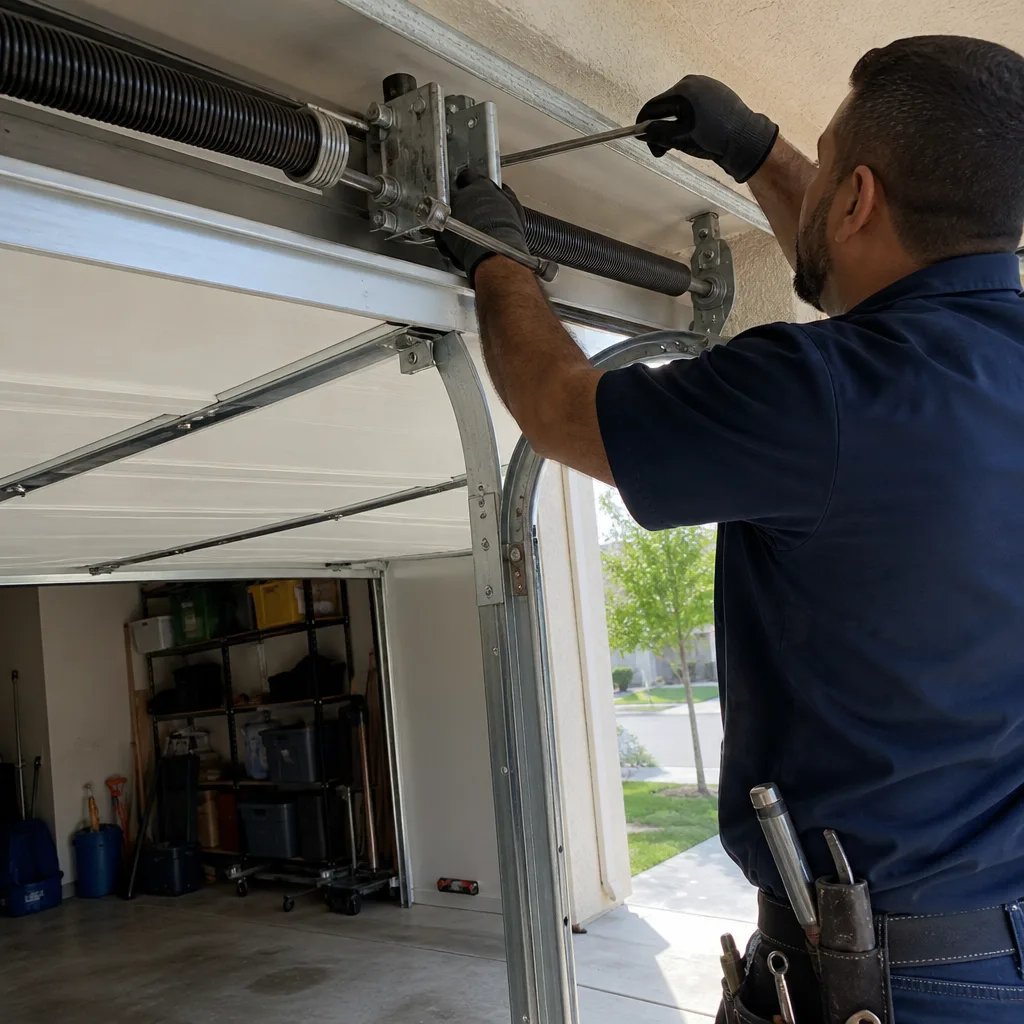
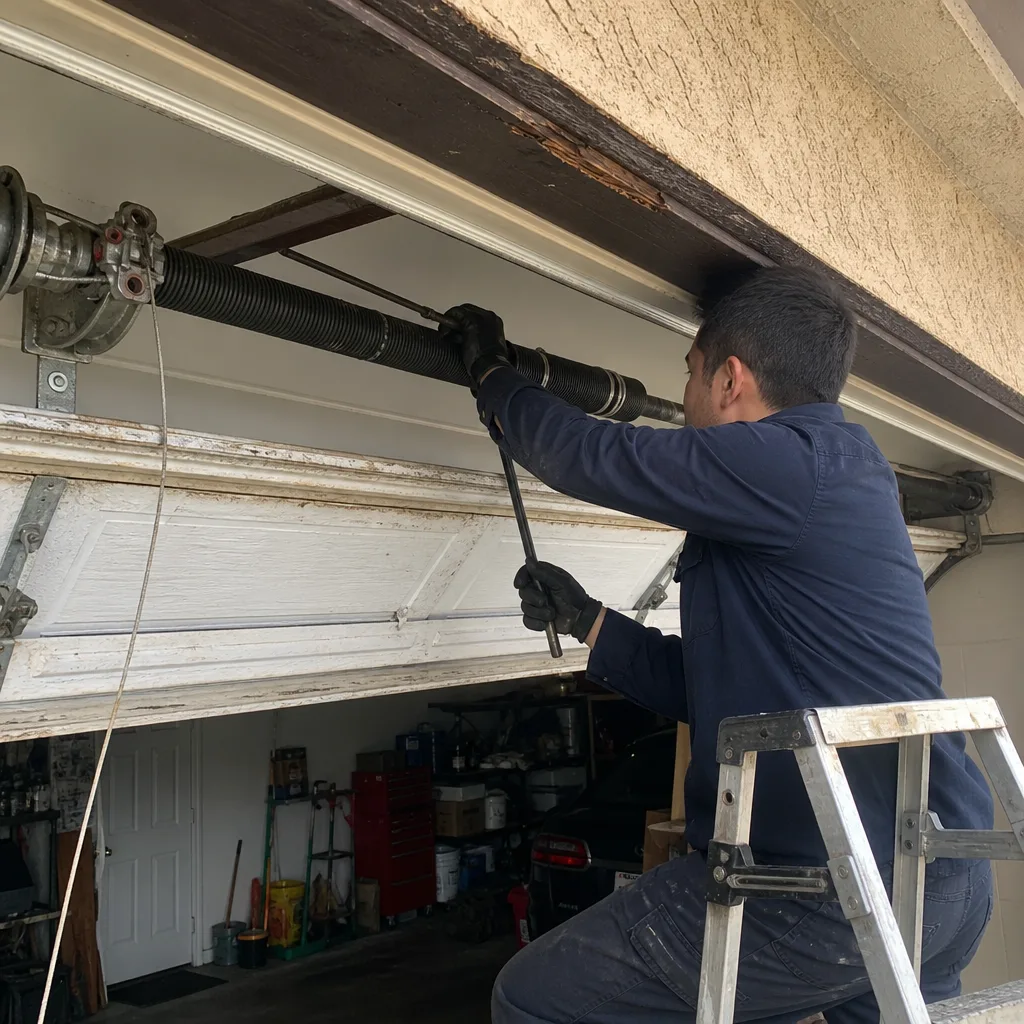
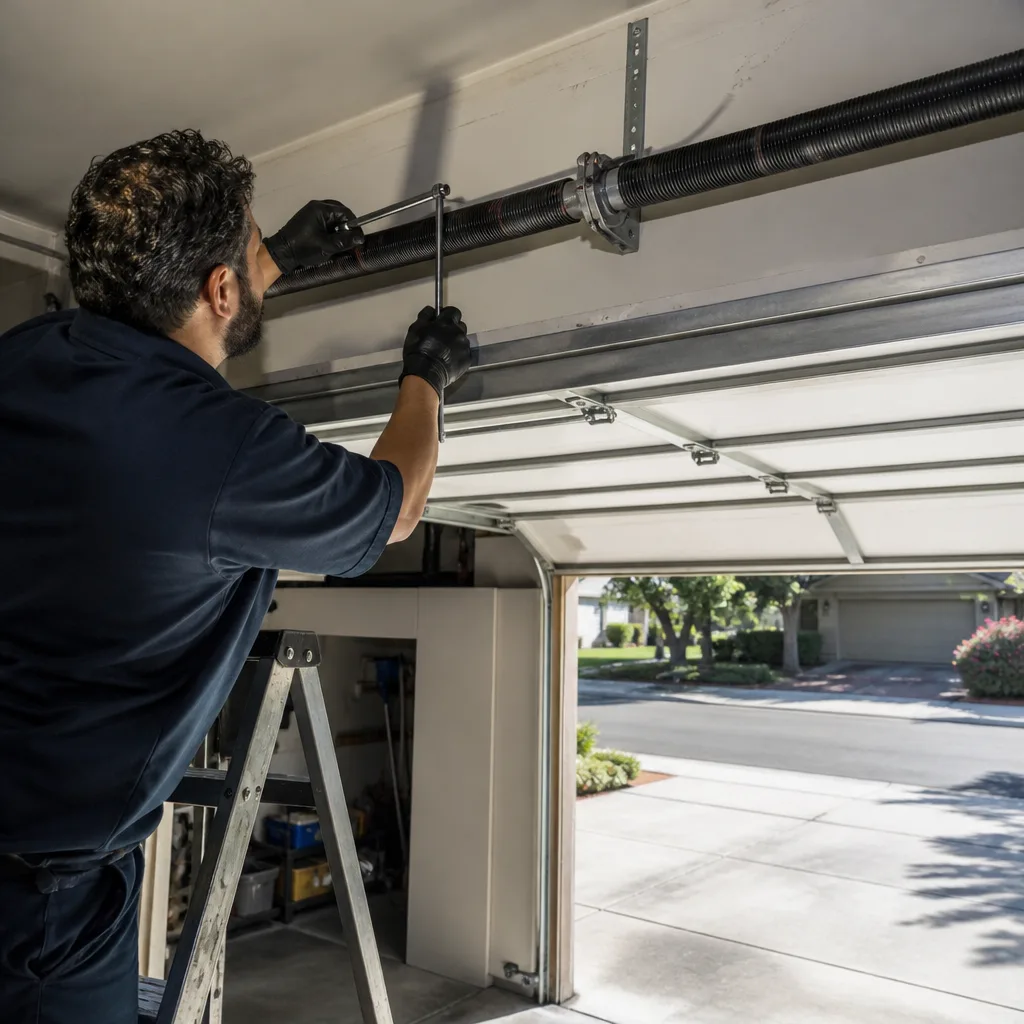
- Spring winding cone inspection. The winding cone is the metal piece at the end of the spring that holds it on the torsion tube. It’s under full tension and should only be handled by a trained technician.
If the five safe checks reveal any sign of spring fatigue, call a garage door repair specialist in Roseville rather than attempting a fix. Spring replacement is one service where the cost of professional work is always less than the cost of a mistake.
Opener Force-Setting Drift: Why Roseville Homes Need a Spring Re-Test
Here’s a maintenance task almost no national checklist covers, but it matters more in Roseville than almost anywhere else in California: re-testing opener force settings every spring.
Garage door openers have a sensitivity setting that controls how much force the motor uses to open and close the door. The setting is designed to detect obstructions and reverse the door when something (or someone) is in the way. The problem is that force settings drift over time, and Roseville’s climate accelerates that drift in two ways.
First, temperature changes affect the door’s weight and rolling resistance. A door with metal rollers in cold fog-season weather moves differently than the same door in 100°F heat. The opener compensates, and the force setting that worked in January may be too high or too low by July.
Second, uninsulated garage doors are common in Roseville’s older homes, and an uninsulated door acts like a solar panel. The metal surface absorbs heat, which transfers to the tracks and rollers. Metal expands, rolling resistance increases, and the opener pushes harder to overcome the added friction. Over months of this, the force setting creeps upward.
Why this matters: an opener with a force setting that’s too high becomes a safety hazard. It will not reverse promptly when it encounters an obstruction, which is the single most important safety feature on any automatic garage door.
How to re-test force settings:
- Place an obstruction. Put a 2×4 or a roll of paper towels flat on the ground under the door’s path.
- Close the door. Use the opener to close the door normally.
- Observe the reversal. The door should reverse within one to two seconds of contacting the object. If it pauses before reversing, or if it doesn’t reverse at all, the force setting is too high.
- Test with the photo-eye sensors. Wave your hand through the sensor beam while the door is closing. The door should reverse immediately.
- Repeat monthly. This test is simple enough to include in your monthly checklist, and we recommend doing it every month, not just once per year.
If the door fails either test, an opener adjustment or repair is needed. Some adjustments can be made by the homeowner through the opener’s control panel, but if you’re uncertain, call a garage door opener repair specialist to handle it. This is a safety feature, not a convenience feature.
Documentation Cadence: What to Log After Each Inspection
Most homeowners inspect their garage door, fix what’s broken, and move on. They don’t write anything down. But documentation is what separates a homeowner who catches problems early from one who gets surprised by a snapped spring on a Monday morning.
Here’s what to log after each monthly inspection, and why it matters.
What to record:
- Date of inspection. Simple but essential for tracking patterns over months.
- Spring appearance. Note any rust, gaps, or changes in coil spacing. A spring that looked fine in June but shows rust in December is telling you something useful about your garage’s humidity levels.
- Balance test result. Record whether the door stayed in place, drifted, or needed force to move. A door that drifts slightly in March and more in April indicates progressive spring fatigue.
- Sound changes. Note any new or changing noises during operation. A squeal that becomes a grind is an escalation.
- Lubrication dates. Log when you lubricated and what product you used. If a particular lubricant isn’t lasting through a Roseville summer, try a higher-temperature formulation next time.
- Weatherstripping condition. Note any new gaps, cracks, or deformation. These changes are often gradual enough that you won’t notice them without comparing notes.
Why documentation matters:
When a technician arrives to diagnose a problem, a maintenance log gives them context they can’t get from looking at the door. If you can show that the door started drifting in May and the drift accelerated in July, the technician knows the springs are failing progressively and can plan a replacement before a sudden failure. If you can show that a particular hinge has needed lubrication three times in six months, that hinge is likely worn and needs replacement rather than another spray of lubricant.
A simple notebook in the garage or a notes app on your phone works fine. The key is consistency. For more guides & resources, visit our blog.
Common Mistakes to Avoid
- Using WD-40 as a lubricant. It’s a solvent, not a lubricant. It strips protective coatings, accelerates rust in Roseville’s fog-season humidity, and leaves moving parts unprotected against summer heat.
- Skipping the balance test. This is the single most important monthly check you can perform, and most homeowners have never done it. An unbalanced door strains the opener, accelerates roller and hinge wear, and eventually causes a spring failure that costs far more than the 30 seconds the test takes.
- Ignoring a noisy door. Sound is diagnostic. A squeal means lubrication is needed. A grinding sound means a roller or bearing is failing. A popping sound means a spring is fracturing. Each sound has a specific meaning and a specific fix, and ignoring any of them turns a $50 repair into a $300 repair.
- Waiting until something breaks to call a technician. Springs, cables, rollers, and hinges all show warning signs before they fail. The monthly checklist above is designed to catch those signs. Waiting for a failure means paying for emergency service and dealing with a garage door that won’t open at the worst possible time.
- Attempting DIY spring or cable repair. Garage door springs and cables are under extreme tension and can cause serious injury or death if mishandled. This is not a “watch a YouTube video and figure it out” situation. Call a professional.
- Replacing only the part that failed. When one spring fails, the other spring is typically near the end of its life too. A technician who recommends replacing both is not upselling you, they’re preventing a second failure next month. The same logic applies to rollers and hinges, which wear as a set.
When to Call a Professional
Some maintenance tasks are safe for homeowners, and some are not. Call a professional when you notice any of the following: a spring with visible gaps, rust streaks, or deformation; a frayed or damaged lift cable; a door that fails the balance test; an opener that doesn’t reverse on obstruction; or any popping or banging sound during operation.
Also call if you’ve done the monthly checklist and found something you can’t identify. The technicians at All Star Garage Door Co work on doors from every major manufacturer, including Amarr, Wayne Dalton, and Raynor, so the brand on your door won’t be a problem. All Star Garage Door Co offers free estimates in Roseville, call (855) 684-6988.
Frequently Asked Questions
Three times per year is the right cadence for Roseville’s climate: once in May before summer heat arrives, once in September after summer’s peak, and once in January during fog season to protect against humidity and condensation. Use a white lithium grease spray for metal components and a silicone-based lubricant for nylon rollers and weatherstripping. Call (855) 684-6988 if you’d like a technician to handle seasonal maintenance for you.
A basic maintenance visit in Roseville typically runs between $85 and $150, which includes lubrication, bolt tightening, balance testing, and a safety inspection. Repairs discovered during maintenance are quoted separately and are always confirmed before any work begins. For an exact quote on maintenance or repair, call (855) 684-6988, estimates are free.
A spring that shows visible rust, has gaps between coils, fails the balance test, or is more than 7 to 10 years old is a candidate for replacement. In Roseville, temperature cycling accelerates spring fatigue, so springs in our climate often fail earlier than manufacturer ratings suggest. If you’re uncertain, call (855) 684-6988 and a technician can assess your springs safely.
You can visually inspect springs, check for rust, and perform the balance test, but you should never attempt to adjust, tighten, or replace a torsion spring yourself. These springs are under extreme tension and can cause serious injury or death if mishandled. Spring work is a professional-only task, and the cost of professional replacement is always less than the cost of an injury.
Cold temperatures and Roseville’s winter fog cause metal rollers, hinges, and tracks to contract and accumulate surface rust, both of which increase rolling resistance and noise. A January lubrication with white lithium grease usually reduces the noise. If the noise persists after lubrication, the rollers or bearings may need replacement.
Most residential torsion springs are rated for 10,000 to 15,000 cycles, which translates to 7 to 10 years for a door opened twice daily. However, Roseville’s daily temperature swings and summer heat often reduce that lifespan to 5 to 7 years. A spring that’s approaching that age should be inspected closely for signs of fatigue.
The Bottom Line
A garage door in Roseville needs more attention than a garage door in a mild climate. The summer heat and daily temperature swings accelerate spring fatigue, the winter fog promotes rust on tracks and hinges, and weatherstripping deforms under high-UV exposure. A monthly 10-point inspection, a three-times-per-year lubrication schedule, annual opener force-setting re-tests, and consistent documentation will catch most problems before they become breakdowns. The dangerous components, springs and cables, should always be left to professionals. For maintenance help, repair, or a full garage door installation in Roseville, call All Star Garage Door Co at (855) 684-6988.
Written by the team at All Star Garage Door Co, serving Roseville since 2015.
See the difference
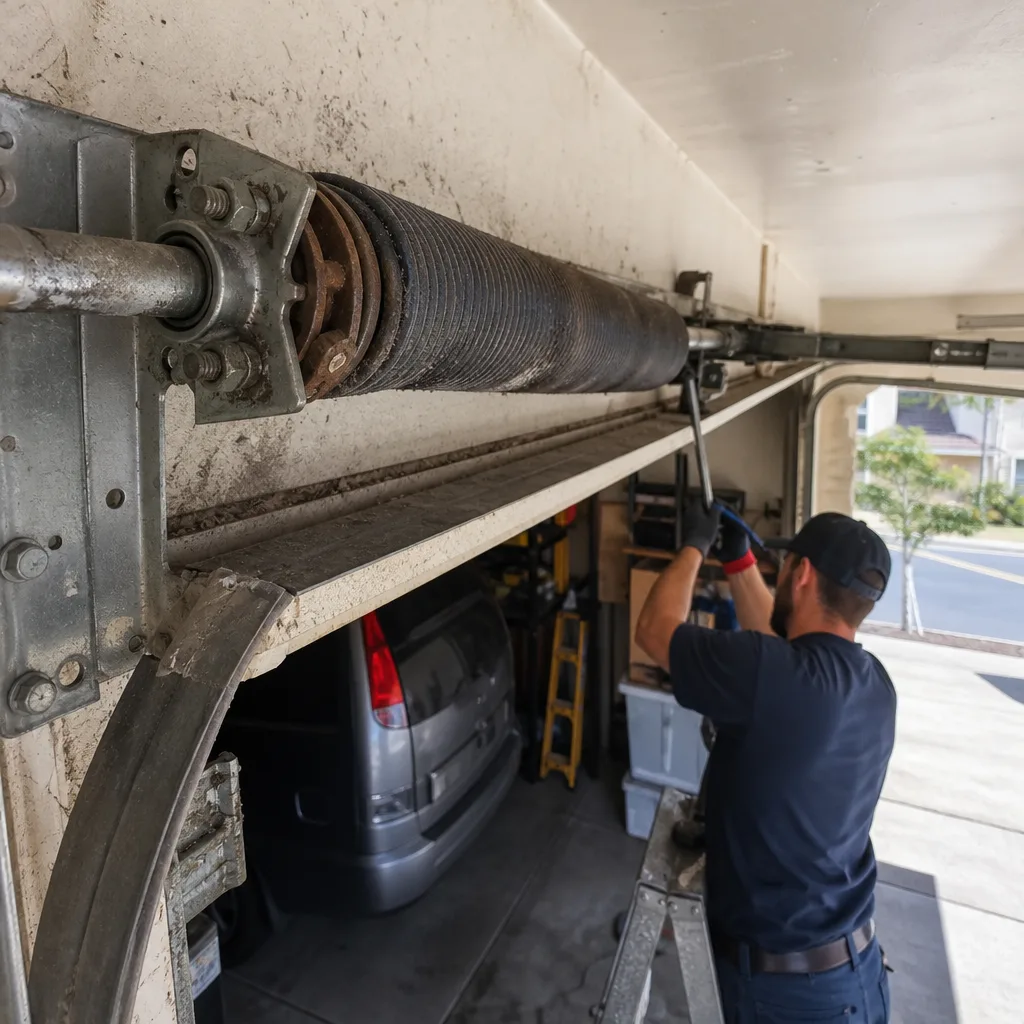 Before
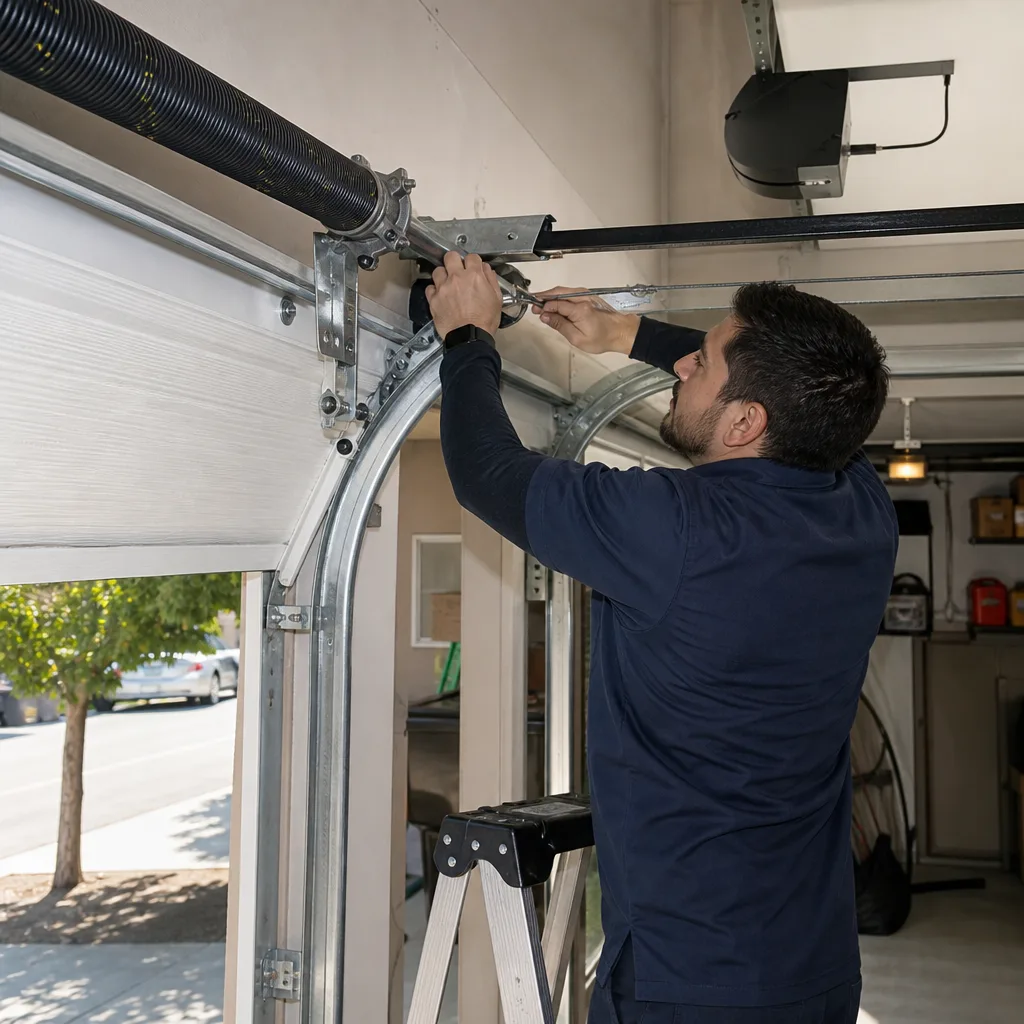 After
 Before
 After
 Before
 After