
Last updated October 30, 2026
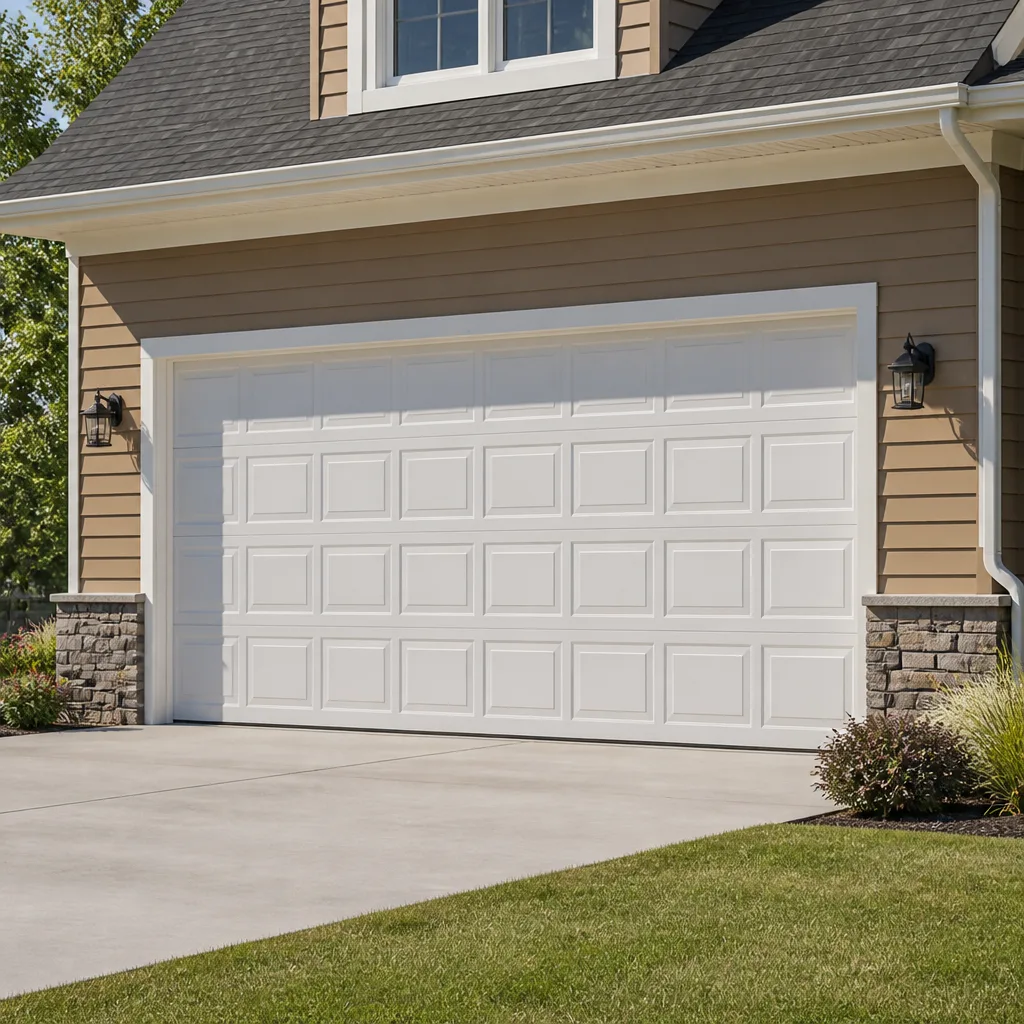 Raised-panel steel
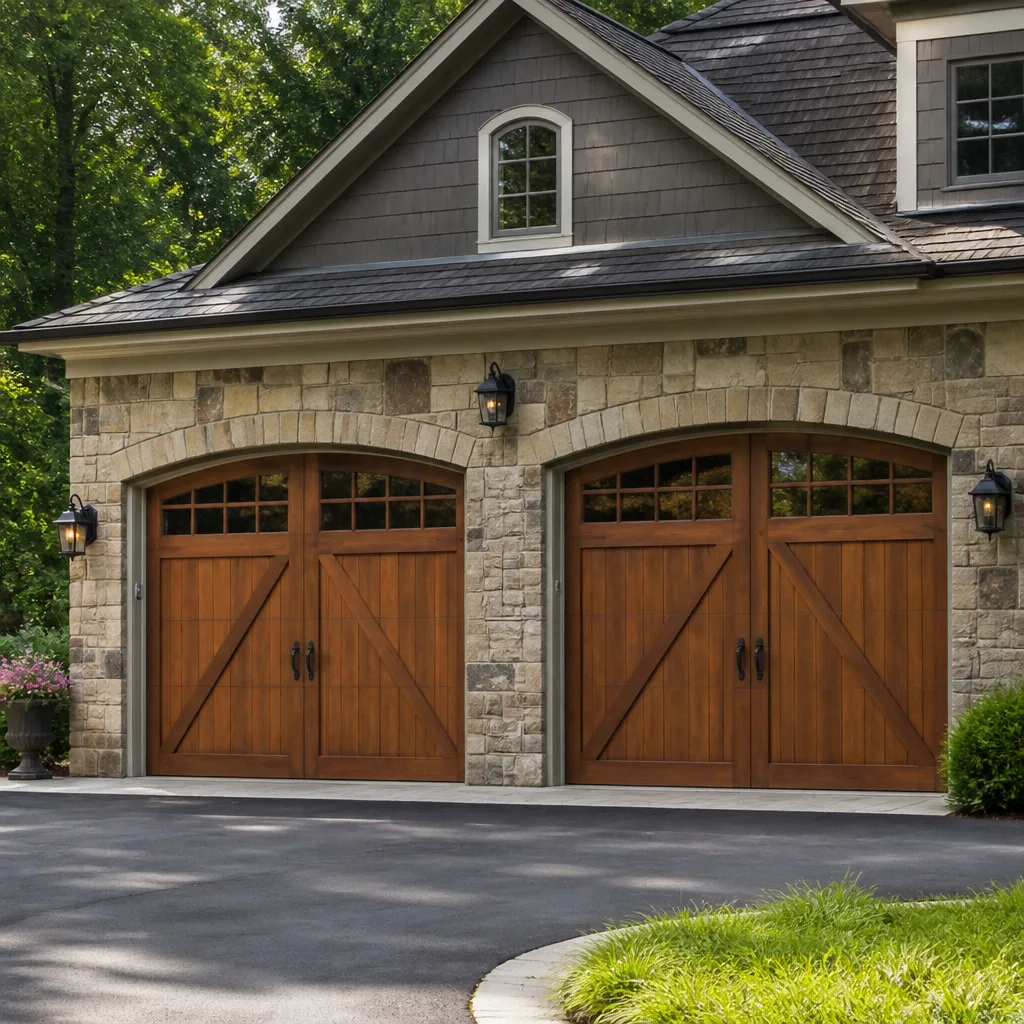 Carriage house
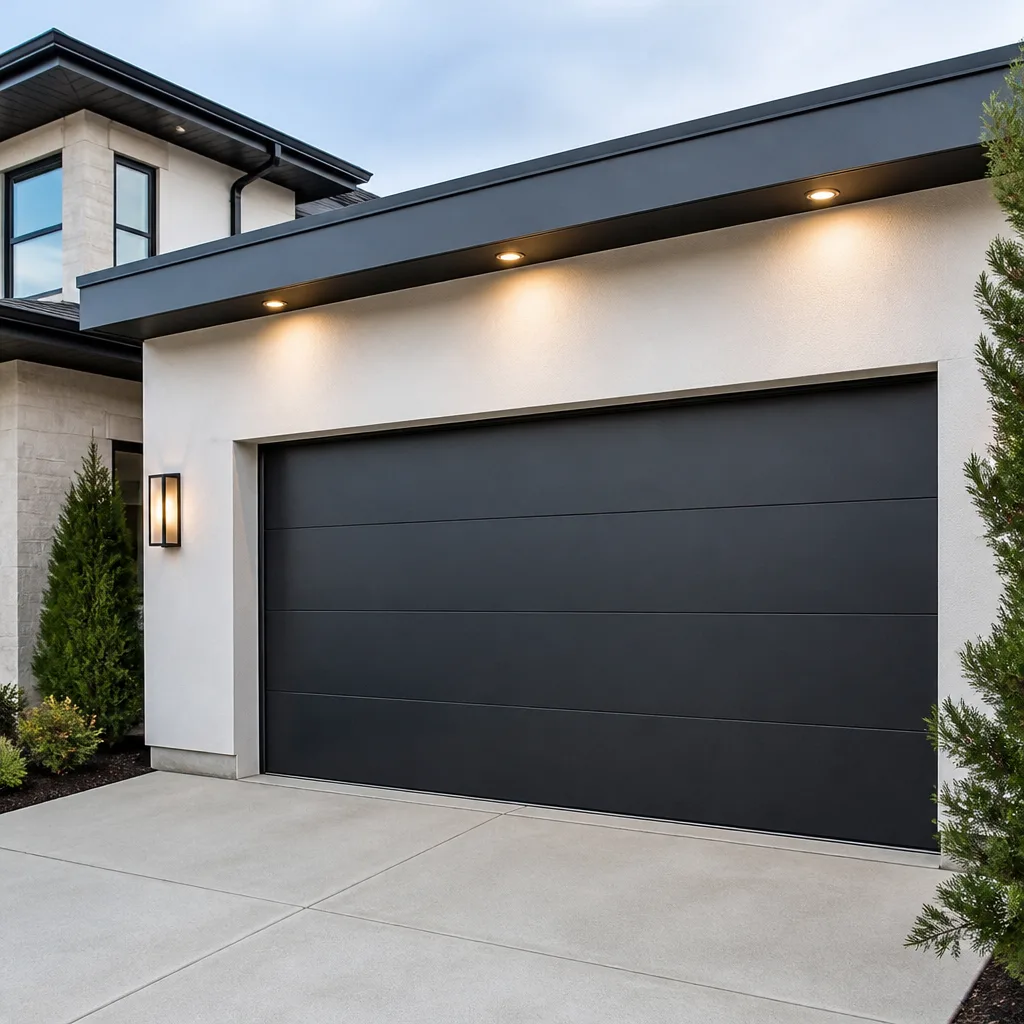 Modern flush
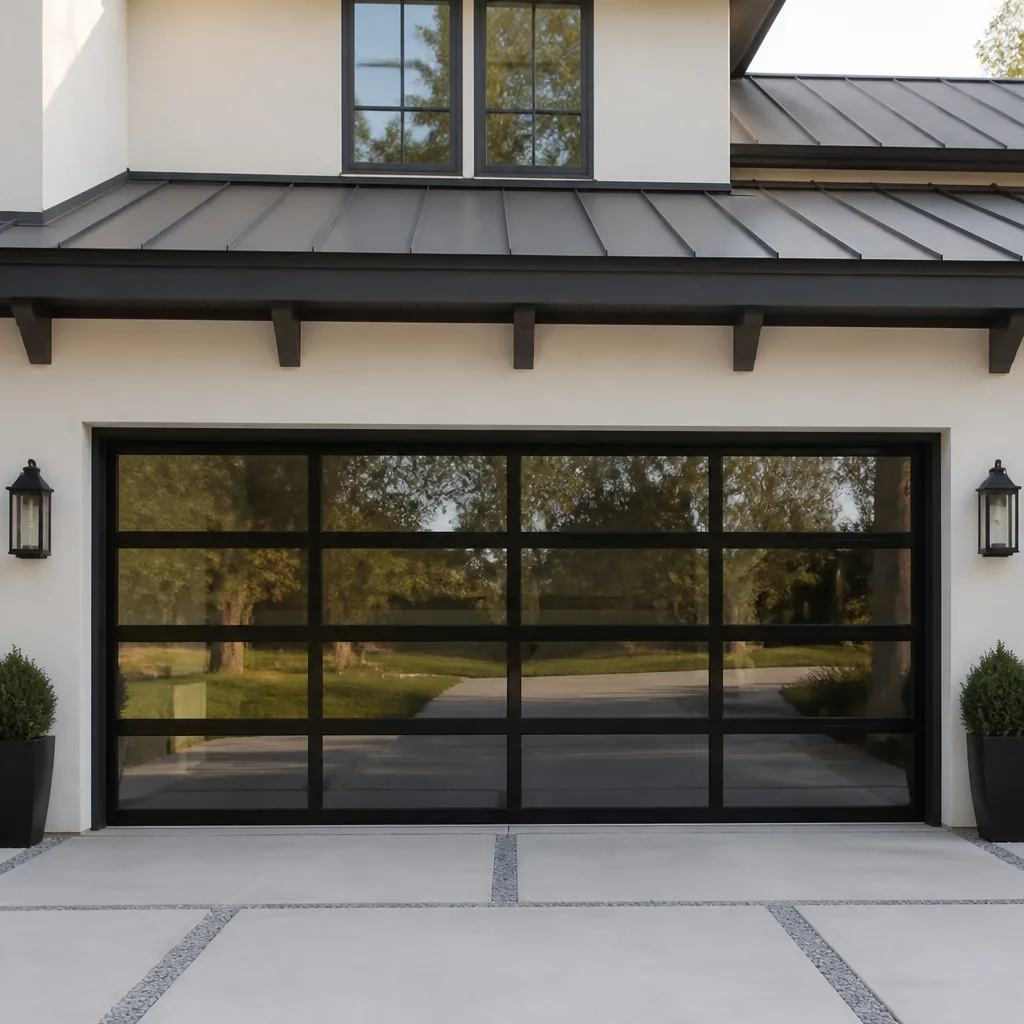 Full-view glass
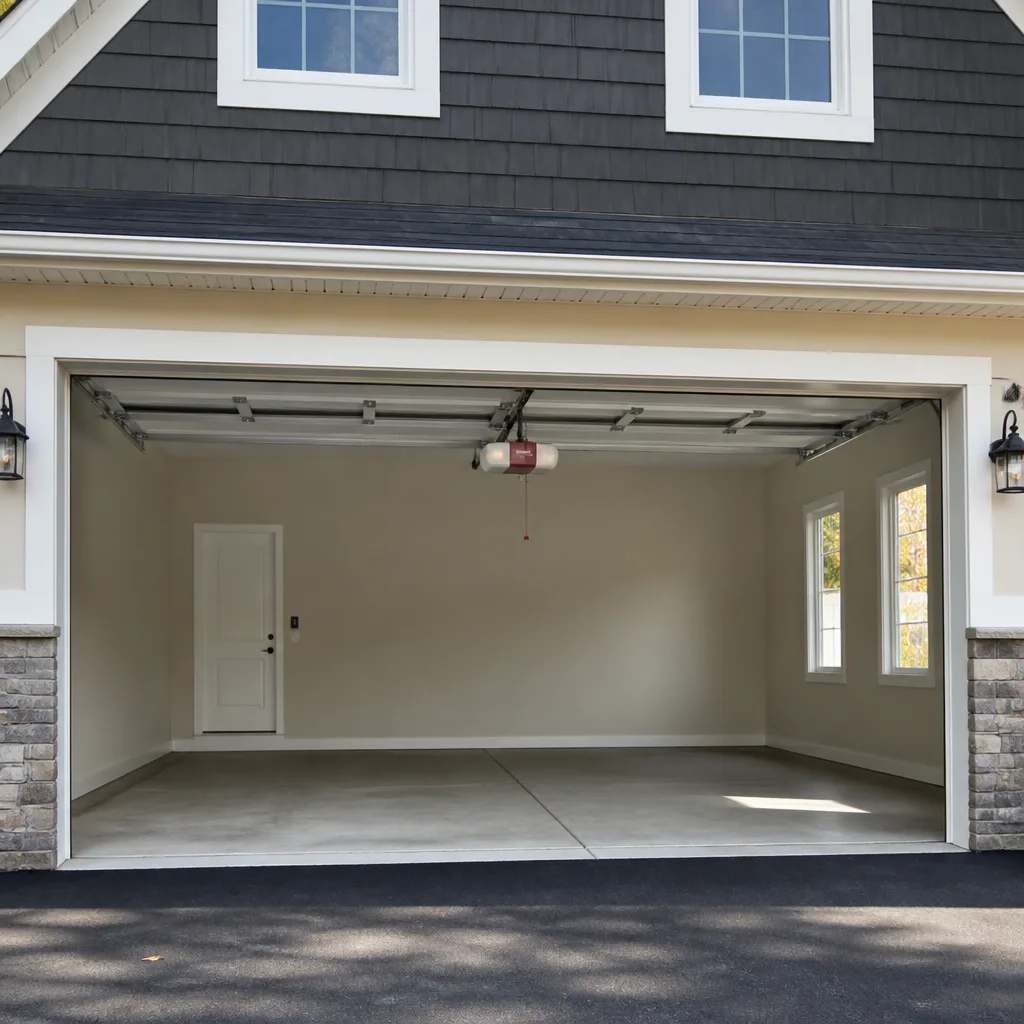 LiftMaster openers
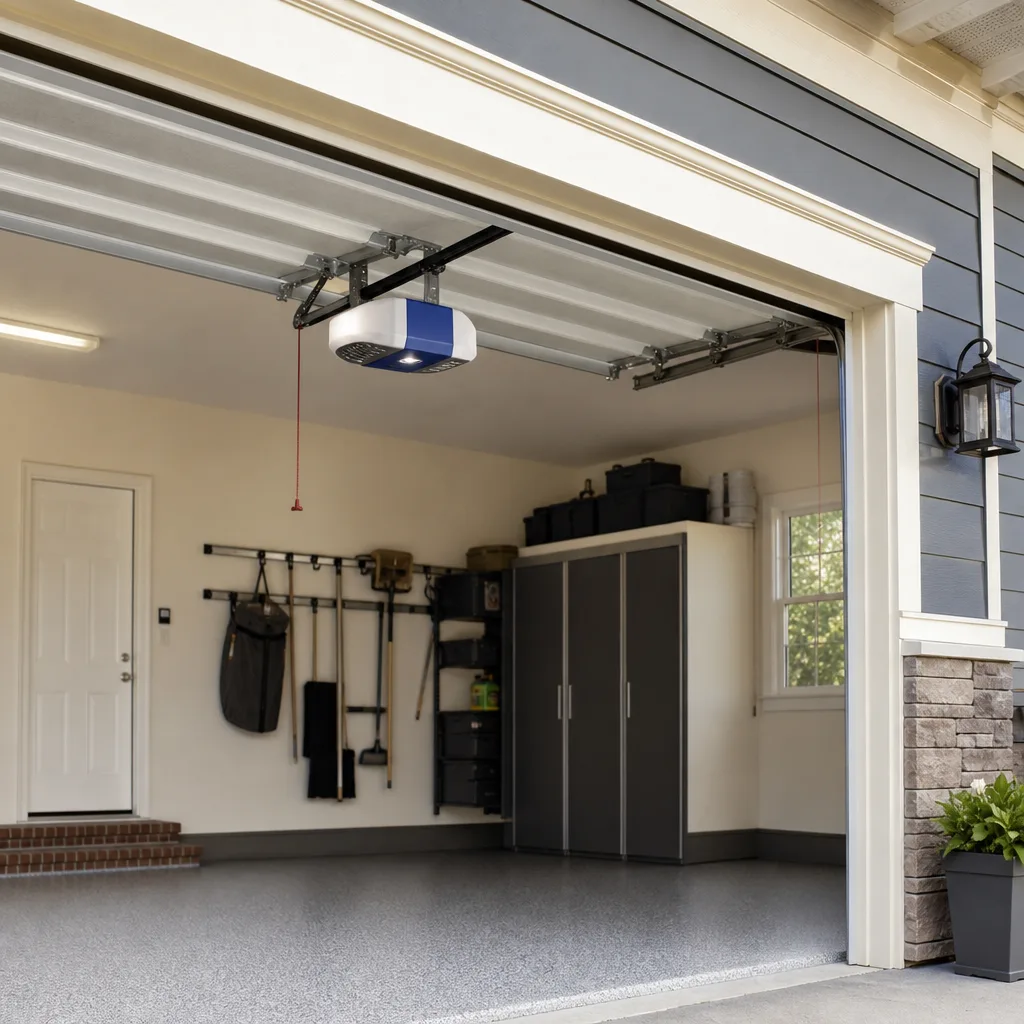 Chamberlain openers
Full 25-point door and opener safety check with every visit - springs, cables, rollers, tracks, and your LiftMaster or Chamberlain opener included
You get a price before we start. It does not change when the truck arrives.
Get your free estimateGarage Door Permits, Codes & Inspections in CA: What You Need to Know
Here’s a number most California homeowners never expect to hear: a garage door replacement ranks among the top five unpermitted home improvements discovered during resale inspections across Placer County. And in Roseville specifically, we’ve watched unpermitted door swaps derail home sales months after the work was finished. The oversight seems minor at the time. A door comes off, a new one goes on. What’s there to permit? Turns out, quite a bit. This guide explains exactly when California and Roseville require a permit for garage door work, which codes apply, what happens at inspection, and how to sequence everything so you never end up explaining an unpermitted door to a buyer’s agent or an insurance adjuster.
Styles & brands we work with
Quick Answer
In Roseville and most California cities, you need a permit when a garage door replacement involves structural changes to the opening, changes in door size, or work on a new construction project. A same-size, same-style door swap in an existing opening often qualifies as a minor repair and may not require a permit, but only if no structural elements are touched. Title 24 energy code applies to any attached-garage door replacement, and all new openers must meet UL 325 safety standards. When in doubt, call the Roseville Building Division before you buy the door, because retroactive permits cost more and take longer than ones pulled before work starts.
Table of Contents
- When a Roseville Garage Door Permit Is Actually Required
- How California’s Title 24 Energy Code Applies to Your Garage Door
- UL 325: The Opener Safety Standard California Enforces Differently
- HOA Approval vs. City Permit: Two Separate Processes, One Sequence
- What the Roseville Inspector Actually Checks
- What a Garage Door Permit Costs in Placer County
- What Happens If You Skip the Permit
- Common Mistakes to Avoid
- When to Call a Professional
- Frequently Asked Questions
- The Bottom Line
When a Roseville Garage Door Permit Is Actually Required
Roseville follows the California Residential Code with local amendments, and the Building Division draws a fairly clear line between a repair and a replacement. A repair means you fix what’s broken without altering the opening. A replacement means you remove and install a new door, and that’s where permits can enter the picture. Here’s the nuance most Garage Door Repair Troubleshooting: Common Problems and How to Fix Them guides miss: the permit trigger isn’t the act of swapping a door. It’s what the swap touches.
You will need a permit in Roseville if any of these conditions apply:
- You’re changing the door size or the rough opening. Widening a single-car opening to fit a double door, raising header height, or cutting into a load-bearing wall all count as structural alterations. This is not negotiable. The building official will want engineered details for any header change.
- You’re altering structural framing around the opening. Replacing a rotted header, sistering jambs, or adding steel reinforcement columns triggers a permit even if the finished door footprint is identical. The structural work, not the door, is what’s being permitted.
- It’s new construction or an addition. Any garage built from the ground up in Roseville has the door permit baked into the overall building permit. You won’t pull a separate one, but the inspection will include the door installation.
- You’re converting a carport to an enclosed garage. This is a bigger project than most homeowners expect, and the door installation is just one piece of a larger permit that covers framing, electrical, and insulation.
Here’s what typically does not require a permit in Roseville:
- Replacing a same-size door in an existing, unmodified opening. This is classified as a minor repair under the California Residential Code’s work-exempt list.
- Replacing springs, cables, rollers, hinges, or tracks. These are maintenance items and don’t require city review.
- Replacing an opener when the electrical circuit already exists. No new wiring means no electrical permit.
- Replacing weatherstripping, panels on some sectional doors, or decorative hardware.
One caveat from the field: some Roseville neighborhoods with older homes have non-standard rough openings that don’t match today’s common door sizes. If a homeowner tries to make a 7-foot-tall opening fit an 8-foot door by notching the header, that’s a structural change and it needs a permit, full stop. We occasionally see this in older parts of central Roseville where garages predate modern size standards. The correct fix is to order a properly sized door, not to modify framing without City oversight.
Our team at All Star Garage Door Co home has handled permit-adjacent installations throughout Roseville, and we always recommend a quick call to the Building Division before any project that involves framing modifications, even if you’re not sure the work qualifies as structural. A five-minute phone call with a plan reviewer beats a stop-work order every time.
How California’s Title 24 Energy Code Applies to Your Garage Door
California’s Title 24, Part 6 energy code treats attached garages differently than detached ones, and that distinction matters more in Roseville than many homeowners realize. Roseville summers routinely push past 100 degrees, and an attached garage shares a wall and often a ceiling with conditioned living space. That shared boundary is exactly what Title 24 cares about.
For an attached garage in Climate Zone 11 (which covers most of Placer County, including Roseville), any replacement door installed in the shared wall between garage and house must meet minimum insulation requirements when the garage wall is part of the building envelope. In practice, that means:
- Insulated garage doors with a minimum R-value of R-6 for the wall between an attached garage and conditioned space, per the prescriptive requirements in the current Title 24 code cycle.
- If your garage is fully finished, insulated, and conditioned as living space, the door insulation requirements jump significantly because the door becomes part of the building envelope. Non-insulated single-layer steel doors fail compliance in this scenario.
- Weatherstripping and air sealing around the door perimeter are part of the energy compliance inspection. Inspectors look for visible gaps and proper bottom-seal contact.
What inspectors actually measure is less about the door’s advertised R-value and more about the product’s compliance documentation. Every new residential garage door sold in California carries a Title 24 compliance certificate from the manufacturer. The inspector checks that the certificate matches the installed door. If you buy a non-certified door from an out-of-state supplier, you can fail inspection even if the door looks identical to a compliant model.
Door brands like Clopay and Amarr manufacture Title 24 compliant garage door models with polyurethane or polystyrene insulation specifically for California’s energy market. Wayne Dalton also offers insulated lines that meet the code. The key is confirming the compliance documentation exists before installation, because retrofitting a non-compliant door after inspection means buying a different door.
Detached garages are largely exempt from Title 24 door insulation requirements in Roseville, because the garage doesn’t share a conditioned wall with the home. If you have a detached garage and want an uninsulated door for cost savings, that’s typically allowed. If your garage is attached and you’re replacing the door adjacent to a finished room, plan on an insulated panel.
UL 325: The Opener Safety Standard California Enforces Differently
UL 325 is the national safety standard for residential garage door openers, covering everything from entrapment protection to force settings. Every opener sold in the United States must meet it. What makes California different is the enforcement layer. California’s Health and Safety Code incorporates UL 325 requirements directly, and Roseville inspectors are trained to verify specific safety features at final inspection.
The most important UL 325 requirement for Roseville homeowners is the entrapment protection system. That means two independent mechanisms:
- A primary entrapment protection device: typically photo-eye sensors mounted no higher than 6 inches above the garage floor, spanning the full door opening. These reverse the door if anything breaks the beam while the door is closing.
- A secondary entrapment protection mechanism: the opener’s internal force-sensing system, which reverses the door when it encounters resistance between 15 and 60 pounds of force. This feature is tested during inspection with a 2×4 block placed flat on the floor under the closing door.
California enforcement differs from many other states in one specific way: Roseville inspectors test the reversal mechanism during final inspection on new construction and permitted additions. They don’t just check that the sensors exist. They run the door through its reversal cycle. If the door doesn’t reverse on the block, the inspection fails. Some states’ inspectors simply verify presence of sensors and move on.
If your opener predates 1993 and lacks photo-eye sensors, any significant renovation work that requires inspection will flag the opener as non-compliant. You can’t legally install an opener that doesn’t meet current UL 325 standards, and you shouldn’t try to repair one either. For a full rundown of what to watch for, see our Garage Door Warning Signs: A Roseville Homeowner’s Reference Guide. The safety upgrade cost is modest relative to the risk. A door that fails to reverse can injure a child or pet, and UL 325 exists specifically because those accidents happened too often before entrapment protection became mandatory.
HOA Approval vs. City Permit: Two Separate Processes, One Sequence
Here’s a scenario we hear about too often in Roseville: a homeowner pulls a city permit, installs the door, passes inspection, and then gets a violation letter from their HOA because the door color or panel style violates the association’s architectural guidelines. Or the reverse: the HOA approves the door, and the City flags the installation because nobody pulled a permit for the structural header change. Both processes matter, and they don’t talk to each other.
Roseville has dozens of HOA-governed communities, from Sun City to Westpark to Fiddyment Farm. Each association has its own architectural review process, and many have specific rules about garage door appearance because the door faces the street and affects curb appeal. Common HOA restrictions include:
- Approved door colors, often limited to a palette matching the home’s trim or exterior scheme.
- Panel style requirements, such as flush panels versus raised panels versus carriage-house designs.
- Window restrictions, especially for doors with glass panels that face the street.
- Material requirements, such as steel versus wood composite in certain neighborhoods.
The correct sequence is this: contact your HOA’s architectural committee first, before you buy a door or speak to the City. Get written approval for the specific door model, color, and style you plan to install. Then determine whether the project triggers a city permit. If it does, pull that permit before installation begins. The HOA approval doesn’t exempt you from the City’s permit process, and a City permit doesn’t override HOA rules.
For our customers in Roseville’s HOA communities, Garage Door Installation in Roseville work often means helping coordinate this sequence. We’ve installed doors in neighborhoods where the HOA took three weeks to approve a specific Amarr model while the City took two days to issue the permit. Planning around the longer timeline keeps everything moving.
What the Roseville Inspector Actually Checks
If your project does require a permit, you’ll schedule an inspection after installation. The Roseville Building Division typically assigns a building inspector for the structural and energy components. For most residential garage door replacements, the inspection focuses on three things:
- Structural attachment. The inspector verifies that the door’s track system is properly anchored to the garage framing, that the header is intact and appropriate for the door’s weight, and that the spring system is mounted correctly. They’re looking for proper fastener spacing and adequate anchoring into framing members, not drywall. A properly installed torsion spring system with a center bearing plate and end bearing plates makes this pass quickly.
- Title 24 energy compliance. As covered above, the inspector checks the manufacturer’s compliance documentation against the installed door, confirms the insulation value meets the code minimum for the application, and checks the perimeter weatherstripping and bottom seal for visible gaps.
- UL 325 opener safety. If the project includes a new opener or the inspector notices an existing opener during the inspection, they may test the entrapment protection: photo-eye sensors positioned correctly, reversal functionality working, and force settings within the specified range. This is the test that catches DIY installs most often.
In our experience, the most common first-visit failure is the photo-eye sensor height. DIY installers frequently mount sensors too high because they’re trying to avoid dirt or debris on the floor. The UL 325 maximum height is 6 inches, and inspectors know to look. Another common miss: the opener’s force setting is too aggressive, so the door doesn’t reverse on the 2×4 block test. Both failures require a return visit and a re-inspection fee.
A correctly installed door passes on first visit. That’s not luck. It’s installing to code the first time, documenting the compliance paperwork, and testing the safety features before the inspector arrives.
What a Garage Door Permit Costs in Placer County
Permit fees in Roseville are modest relative to the cost of the door itself, which is part of why skipping a permit makes so little financial sense even before you factor in the risks. As of the current fee schedule, a typical garage door replacement permit in Roseville runs between $150 and $350, depending on the valuation of the project and whether structural work is involved. Electrical permits for new opener circuits, when required, add another $75 to $150.
Here’s how typical fees break down:
- Standard same-size door replacement with no structural changes: often no permit needed, but if the City determines one is required based on your specific project, plan on the base permit fee in the $150 to $250 range.
- Structural alteration (header change, opening size change): $250 to $350, plus any plan review fees if engineered details are required.
- New construction or addition: garage door work is included in the overall building permit, so there’s no separate door permit fee.
- Re-inspection after a failed first visit: usually $75 to $150, which is another reason to install correctly the first time.
Here’s the important comparison: retroactive permits, which you’ll need if you sell the home and the buyer’s inspector discovers unpermitted work, typically cost 1.5 to 2 times the original fee. Placer County and the City of Roseville assess penalty multipliers on permits pulled after the fact. The $200 permit you skipped in July might be a $400 permit plus a delay in January when escrow is waiting on the paperwork.
For context, the door itself typically costs far more than the permit. A quality insulated door for a Roseville home, whether a Clopay model with Title 24 compliance or a Craftsman-style door from a supplier we work with regularly, often runs $1,200 to $2,800 installed, depending on size, materials, and insulation package. The permit is a single-digit percentage of the project cost. It’s not the place to save money.
What Happens If You Skip the Permit
The consequences of unpermitted garage door work in Roseville fall into three categories, and none of them are theoretical. We’ve seen each one play out in our market.
Insurance claim denial. If an unpermitted door installation fails and causes property damage or, worse, injury, your homeowner’s insurance carrier can deny the claim on the grounds that the work was not performed to the standard the City would have required. A door that comes off its track during a wind event and damages a car in the driveway, for example, becomes a much bigger problem if the carrier discovers the installation was never permitted. This is the most expensive consequence, and most homeowners never learn about it until a claim is already in progress.
Resale complications. Roseville’s real estate market moves fast, and buyers’ inspectors routinely flag unpermitted work. The standard disclosure forms ask directly about unpermitted improvements. If you didn’t disclose and the buyer’s inspector finds the work, you’re backpedaling at the worst possible moment. You’ll either reduce the sale price, pay for a retroactive permit on a compressed timeline, or both. Retrofitting a permit during escrow is difficult because the City wants to see what’s behind the walls, and the door is already installed.
Code enforcement. If a neighbor files a complaint or a City inspector notices unpermitted work during a separate project (such as a solar installation or a re-roof, both of which generate inspections), the Building Division can issue a correction notice. That starts a process that ends with either a retroactive permit or an order to restore the original condition. Neither is convenient.
The pattern we see in Roseville: homeowners skip the permit on a same-size swap, the work is actually fine, and nothing happens for years. Then they sell the house, or file an insurance claim, and the unpermitted work becomes a liability at the worst possible moment. The door’s quality doesn’t matter. The paperwork does.
Common Mistakes to Avoid
- Assuming all door replacements are permit-exempt. Same-size swaps usually are, but modifications to the header, jambs, or opening size are not. Roseville treats structural work as structural work, regardless of what the final door looks like. If you’re changing the opening, call the Building Division first.
- Ordering a door before checking HOA rules. Every HOA in Roseville has different guidelines. Buying a carriage-house door in a community that requires flush panels creates a problem that no refund policy fully solves, because you can’t return a custom-size door.
- Installing a non-Title 24 compliant door on an attached garage. You’ll fail inspection on documentation alone, even if the door performs well. The compliance certificate matters as much as the insulation value.
- Mounting photo-eye sensors higher than 6 inches. This single mistake fails more Roseville inspections than any other. UL 325 is specific, and inspectors carry measuring tapes.
- Skipping the permit because the installer said it wasn’t needed. A contractor’s verbal assurance doesn’t protect you from the City or your insurance carrier. Verify independently. A five-minute call to the Building Division settles it.
- Waiting until escrow to address unpermitted work. If you know your garage door was installed without a permit and you’re planning to sell, address it before listing. Retroactive permits during escrow are expensive and can push closing dates.
- Using an online permit service without Roseville-specific guidance. Generic advice from out-of-state sites doesn’t account for Placer County’s amendment to the California Residential Code or for Roseville’s local ordinance. Consult local sources.
When to Call a Professional
Garage door work divides into two categories: what you can safely handle and what you should leave to someone who does this every day. Torsion springs under tension carry enough stored energy to cause serious injury, and the cables that lift your door operate under similar force. If your project involves springs, cables, or anything connected to them, that’s a professional’s job. The same applies to structural modifications: cutting into a header or altering a load-bearing wall is not a weekend project.
If you’re uncertain whether your project needs a permit, or if your HOA has questions about door specifications, All Star Garage Door Co offers free estimates in Roseville – call (855) 684-6988 and we’ll help you sort out the permitting picture before you buy anything. We work with every major door brand, including Clopay, Amarr, Wayne Dalton, and Craftsman, so the conversation starts with your actual garage, not with a catalog. You can also browse our more guides & resources anytime.
Frequently Asked Questions
A same-size, same-style door replacement in an existing unmodified opening typically does not require a permit in Roseville because it’s classified as a minor repair. You do need a permit if the project involves changing the opening size, altering structural framing, or the door is part of new construction or an addition. Call the Roseville Building Division at (855) 684-6988 with your specific project details to confirm before you start work.
No, Title 24 insulation requirements for garage doors generally apply to attached garages because the shared wall with conditioned living space creates the energy-loss concern. A detached garage in Roseville doesn’t share that boundary, so an uninsulated door is typically compliant. That said, many homeowners choose insulated doors on detached garages anyway as a comfort upgrade, and several models from Clopay and Amarr meet Title 24 ratings regardless of the application.
UL 325 is the national safety standard covering garage door opener entrapment protection. Any opener manufactured after 1993 with photo-eye sensors and an auto-reverse mechanism meets the standard. If your opener predates 1993, lacks working sensors, or fails to reverse on a 2×4 block test, it doesn’t meet UL 325 and should be replaced. California incorporates UL 325 into its building code, and Roseville inspectors test reversal functionality during permitted inspections.
Yes. HOA architectural review is a contract-level process separate from City permitting, and your association can require you to replace a door that violates its guidelines, even if the City approved the installation. Roseville HOAs commonly regulate door color, panel style, and window treatments. Get written HOA approval before you buy the door, and treat HOA approval and city permits as separate steps that both need to happen before installation.
The buyer’s inspector may flag the unpermitted work, which then becomes a disclosure and remediation issue during escrow. You may need to pull a retroactive permit, which costs more than an original permit and may require removing part of the installation so the inspector can see the structural work. The problem also complicates the insurance picture for the buyer. It’s far cheaper to verify permitting requirements before the work is done than to unwind the problem during a sale.
No. Spring replacement is classified as a maintenance repair in Roseville and doesn’t require a permit because no structural elements are changed and the door’s energy compliance is unaffected. That said, torsion springs are under extreme tension and cause serious injuries when handled incorrectly, so this is a repair that calls for a professional. At Garage Door Repair in Roseville, spring work is the most common service we perform, and our technicians handle it with the proper winding bars and safety protocols every time.
The Bottom Line
California’s garage door permit requirements aren’t complicated once you understand the triggers: structural changes, size changes, and new construction. Same-size swaps are usually exempt. Title 24 applies to attached garages, UL 325 applies to every opener, and Roseville inspectors check both. The HOA process runs parallel to the City’s and neither replaces the other. And if you’re unsure whether your project needs a permit, the answer is a phone call away. A five-minute conversation with the Roseville Building Division settles it. If you need help with the door itself, Garage Door Opener Repair in Roseville and full door installation services are available through All Star Garage Door Co, and we’re happy to walk you through the permitting picture on your specific project. Call (855) 684-6988 for a free estimate.
Written by the team at All Star Garage Door Co, serving Roseville since 2015.
See the difference
 Before
 After
 Before
 After
 Before
 After