
Last updated October 30, 2026
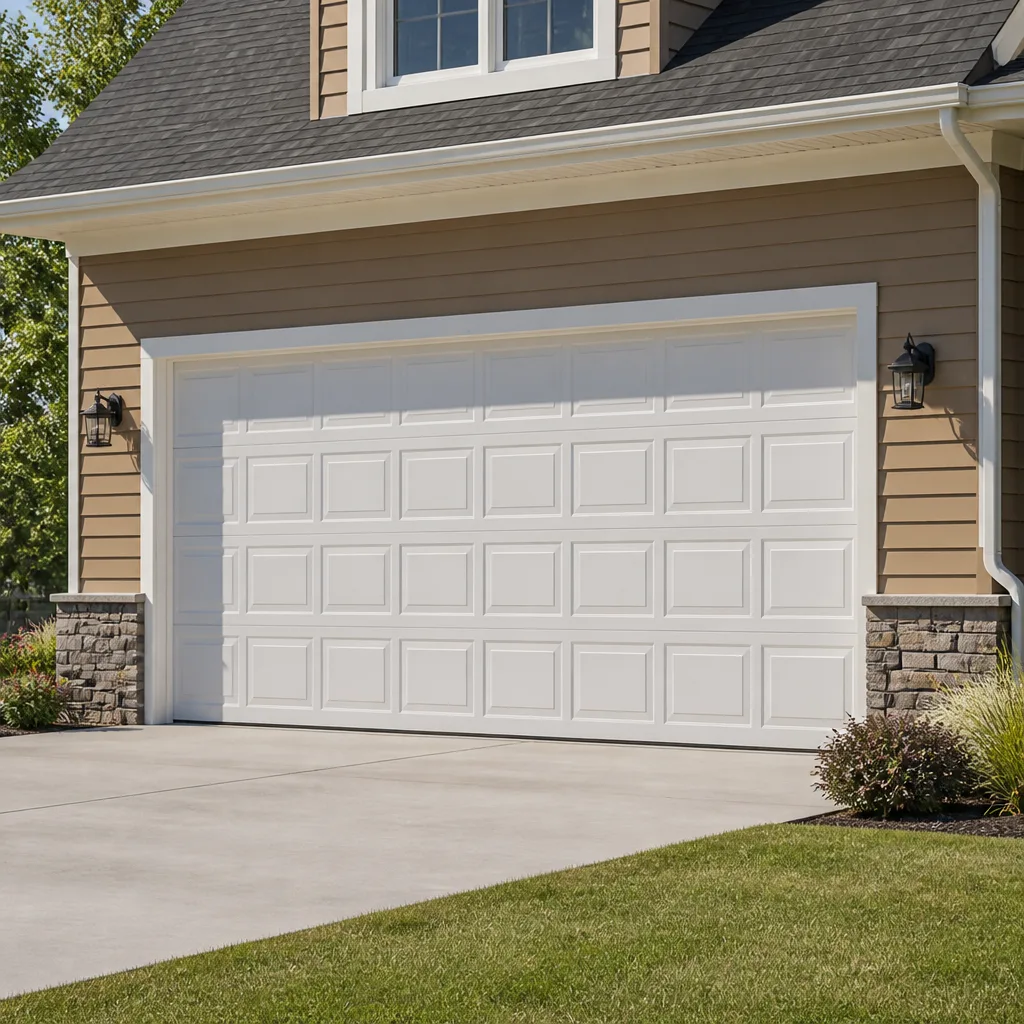 Raised-panel steel
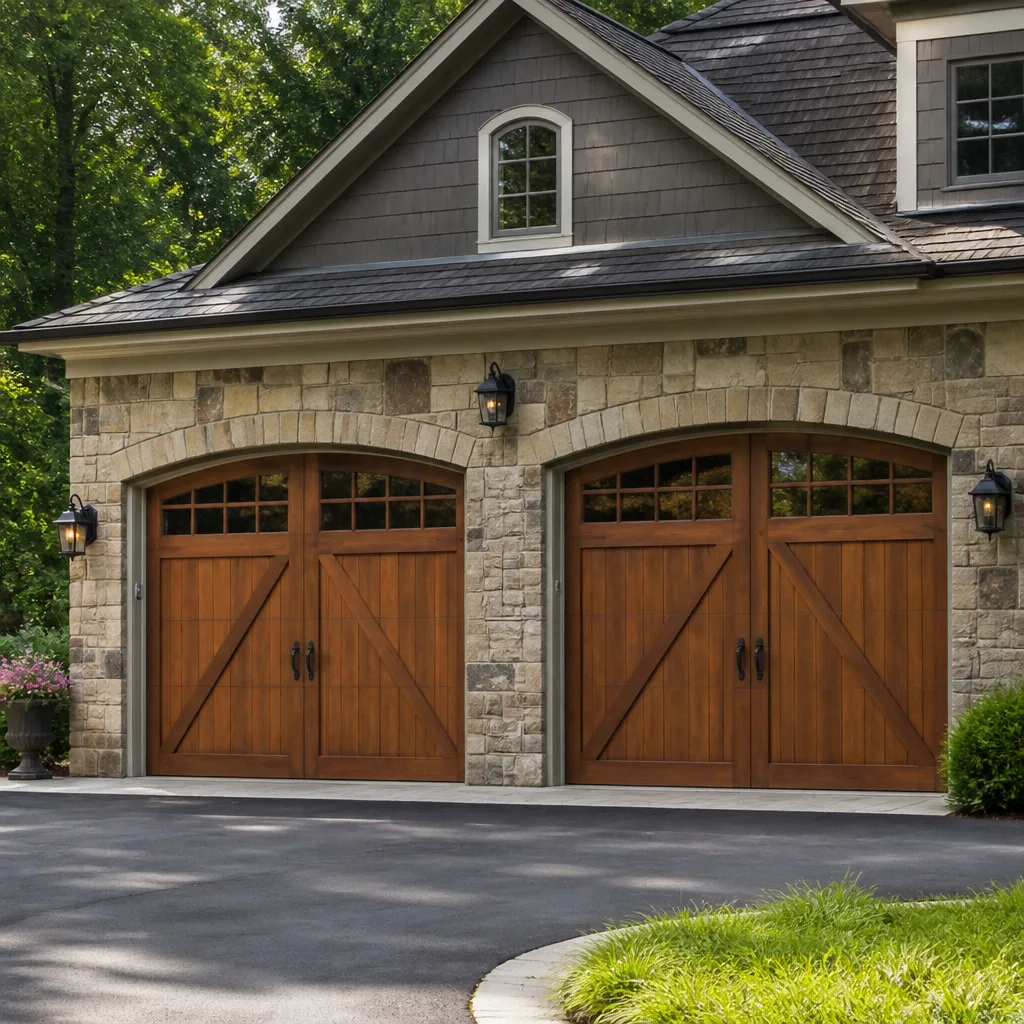 Carriage house
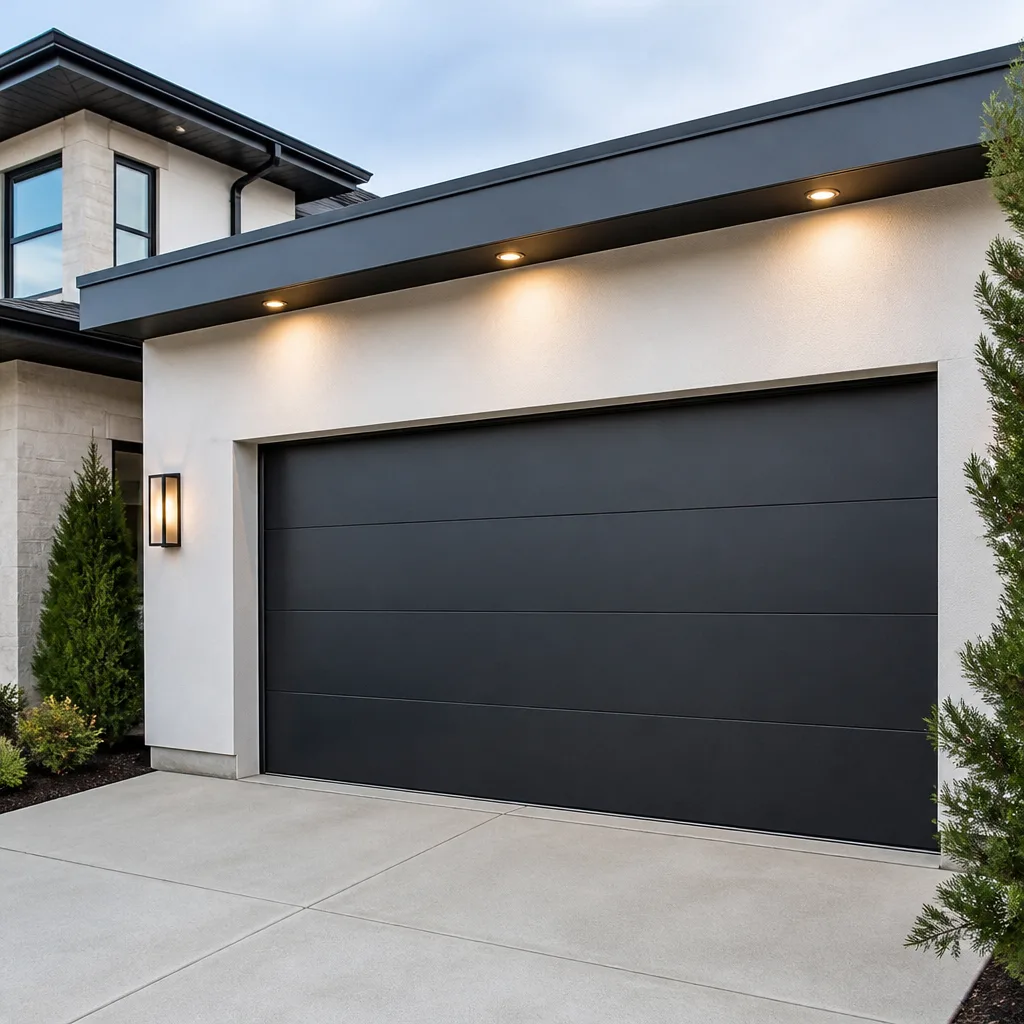 Modern flush
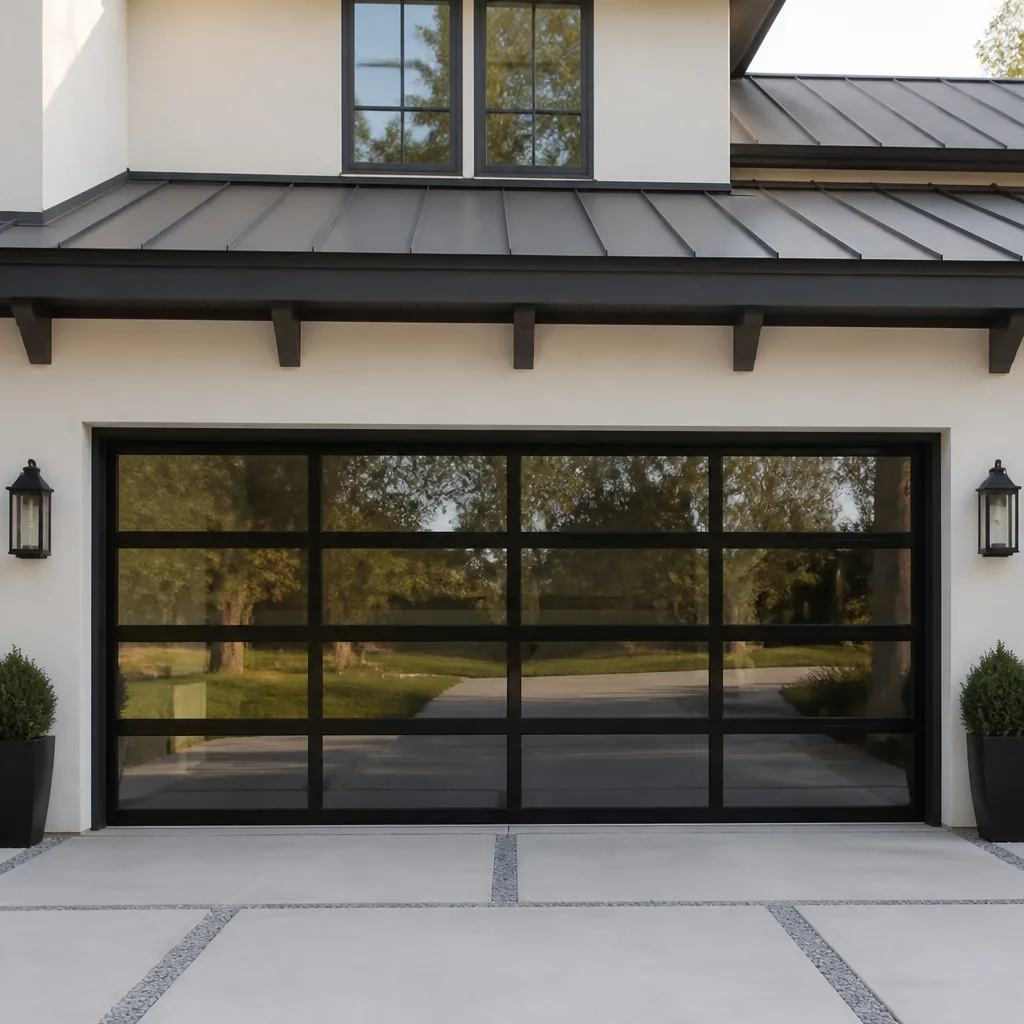 Full-view glass
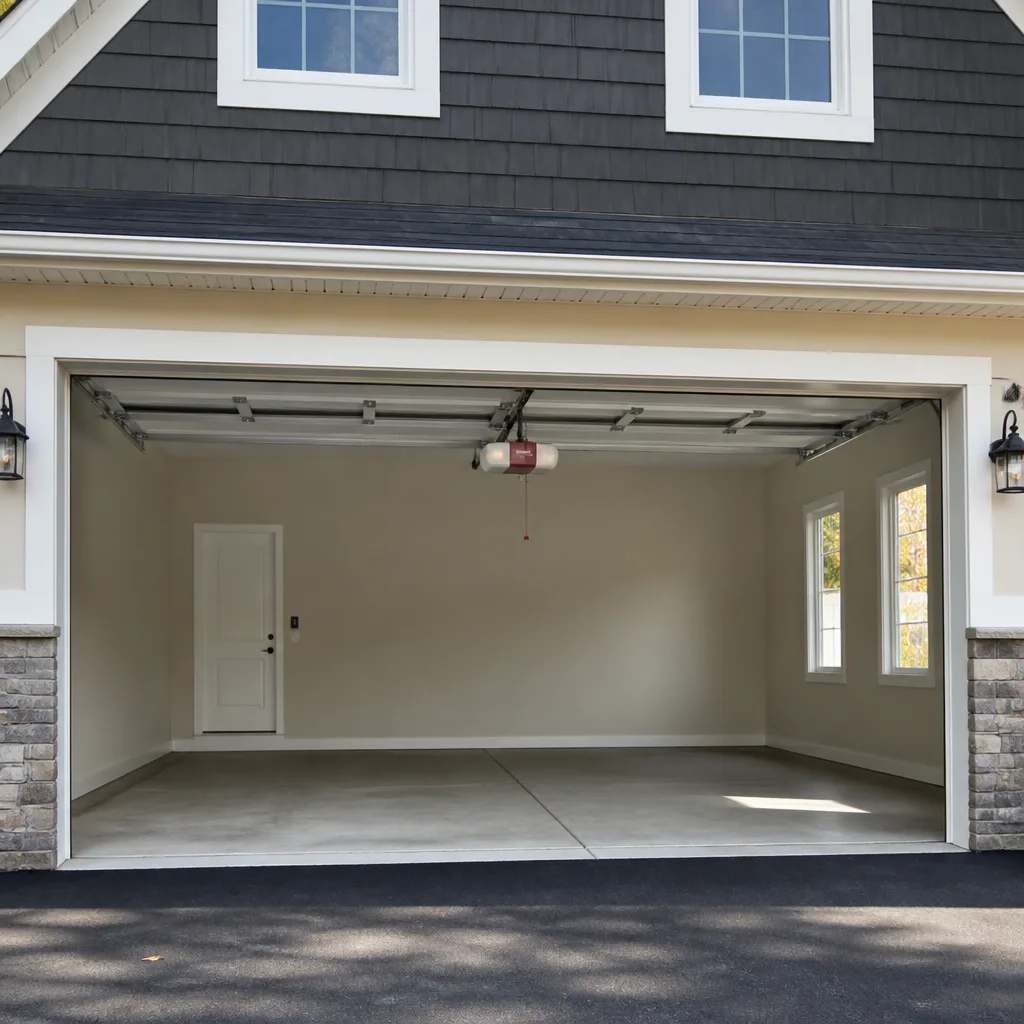 LiftMaster openers
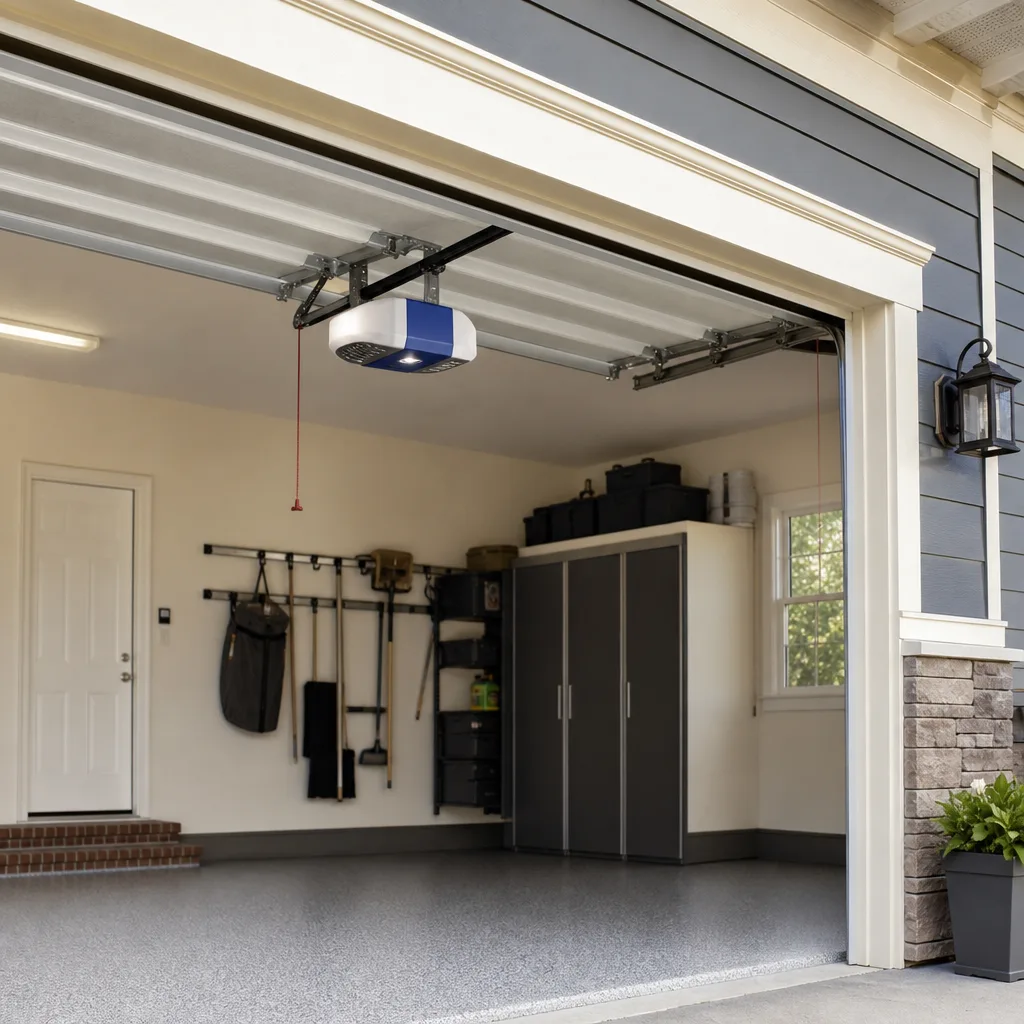 Chamberlain openers
Full 25-point door and opener safety check with every visit - springs, cables, rollers, tracks, and your LiftMaster or Chamberlain opener included
You get a price before we start. It does not change when the truck arrives.
Get your free estimateSeasonal Garage Door Care for Roseville: Year-Round Homeowner’s Guide
Roseville’s tule fog season creates condensation cycles inside uninsulated garage doors that accelerate steel panel rust faster than coastal salt air, and most homeowners don’t notice until the paint bubbles. Meanwhile, our summer UV index sits above 9 for weeks at a stretch, baking door finishes until they chalk and crack. By the end of this guide, you’ll know exactly which months demand which maintenance tasks in Roseville, why the traditional “spring/fall” checklist fails here, and how to keep your door running smoothly through fog, 105°F heat, and everything between. For The Complete Guide to Garage Door in Roseville, see our more detailed resource.
Styles & brands we work with
Quick Answer
Seasonal garage door maintenance in Roseville should follow three climate-driven phases: a pre-summer prep in May (before the first 100°F week), a dry-lube and seal check in October (before tule fog sets in), and a December – January fog-protection routine that prevents condensation rust and track corrosion. Most Roseville homeowners need roughly 30 minutes per season to handle the essentials, and the payoff is a door that lasts 5 to 8 years longer than one left to the elements. For step-by-step help, see The Complete Garage Door Repair Guide for Roseville Homeowners.
Table of Contents
- The Roseville Climate Reality Most Guides Ignore
- Month-by-Month Maintenance Calendar for Roseville
- Pre-Summer Prep: Why May Matters More Than Spring
- Fall and Winter Fog Protocol: Humidity Is the Real Enemy
- UV Degradation: What Roseville Sun Does to Different Door Finishes
- The Attached-Garage Temperature Problem (And How to Fix It)
- Common Mistakes to Avoid
- When to Call a Professional
- Frequently Asked Questions
- The Bottom Line
The Roseville Climate Reality Most Guides Ignore
Most garage door maintenance articles are written for a generic American climate: snow in winter, rain in spring, humidity in summer. If you’re still deciding on a door, our Choosing the Right Garage Door Brand: A Buyer’s Guide for Roseville can help. Roseville doesn’t work that way. We sit in USDA hardiness zone 9b, which means our winters are defined by fog, not frost, and our summers by dry, intense heat that starts in June and doesn’t loosen its grip until late September. The National Weather Service records show Roseville averages over 30 days per year above 100°F, and December tule fog can drop visibility to under a quarter mile for days on end. Those aren’t just weather trivia. They’re the two forces that determine when your garage door’s steel panels, springs, seals, and opener electronics will fail.
The tule fog is the stealthier of the two threats. When dense fog sits in the Sacramento Valley for three or four consecutive days, the air inside an uninsulated garage hits dew point. Water beads form on the interior face of steel door panels, on the torsion spring above the header, and on galvanized track brackets. That moisture sits there because Roseville fog doesn’t burn off by 10 a.m. the way coastal fog does. It lingers. And every lingering hour is another hour of oxidation working on your door’s metal components. In our experience, the doors that need panel replacements in Roseville are rarely the ones that failed mechanically. They’re the ones that rusted from the inside out, and the homeowner didn’t catch it until a paint blister formed on the exterior face.
Summer is the opposite problem in every way. The heat is dry, so rust slows down, but thermal expansion becomes the enemy. A steel door panel on a west-facing garage in Roseville can reach 140°F on a July afternoon. The metal expands. The hinges, which are bolted through the stiles, don’t expand at the same rate because they’re a different alloy. That differential stress is what makes hinge bolts loosen, and it’s also what causes the vertical track to bow slightly outward on the side of the door that faces the sun. The result? A door that starts binding on the way up, or a roller that pops out of the track on a 106°F day. The fix is usually simple: re-align the track and torque the hinge bolts. But homeowners who wait until the door is stuck have already done the damage.
Month-by-Month Maintenance Calendar for Roseville
Here’s the Roseville-specific calendar we recommend, organized by the actual climate events that drive wear. This is not a generic spring/fall checklist. Each month’s tasks are triggered by what’s happening outside your garage door right now.
January: Fog Watch and Bottom Seal Check
Tule fog is at its peak in January. This month, your job is moisture defense. Inspect the rubber bottom seal (also called the astragal) for cracks, tears, or gaps where it meets the concrete floor. A gap as small as 1/8 inch lets fog-laden air enter. If the seal is stiff or compressed flat, it’s time for replacement. This is also the month to wipe down any visible condensation inside the door panels with a dry cloth and check for early rust spots along the bottom edge of the lowest panel, the first place fog moisture collects.
February: Track and Hardware Inspection
Fog season is still active, and by February the oxidation that started in January is visible if you know where to look. Check the vertical tracks for rust streaking, especially near the floor brackets. Check all hinge bolts for tightness. If you see orange streaking on the track, that’s not cosmetic. Rust on track surfaces increases roller friction, and by summer it’ll be a grinding noise every time the door moves.
March: Spring Tension Test (Do Not Adjust Springs Yourself)
March is when Roseville starts its transition from cool and damp to warm and dry. This temperature swing is hard on torsion springs. The metal contracts during cold foggy nights and expands on warm afternoons, and over time that cycling work-hardens the spring steel. You can test spring balance safely: disconnect the opener (pull the red release cord), then manually lift the door to waist height. It should stay put. If it drops, the springs are losing tension and need professional attention. Do not attempt to adjust torsion springs yourself. They’re under enough tension to cause serious injury or death, which is why garage door repair in Roseville is the one job we always tell homeowners to leave to trained techs.
April: Lube Everything (With the Right Lube)
As Roseville dries out, this is the best month for a full lubrication pass. Use a white lithium grease or silicone spray, not WD-40. WD-40 is a solvent first and a lubricant second, and it’ll strip the existing grease from your rollers and hinges. Apply lubricant to: the torsion spring coil (a light coat along the length), the hinge pivot points, the roller stems (not the nylon wheel face), and the opener chain or belt idler. This is also the month to clear spider webs and debris from the photo-eye sensors at the base of the door.
May: Pre-Summer Force Settings and Thermal Seal Evaluation
This is the most important maintenance month in Roseville, and we cover it in depth below. In short: test and re-set the opener’s force settings, evaluate the thermal seals and weatherstripping, and check the door balance again before the first triple-digit week.
June – August: Monthly Visual Checks During Peak Heat
Through the summer, run a 60-second visual check once a month. Look at the door from 20 feet away with it closed: are the panels flush and even, or does one corner sit slightly proud? Listen to the door through a full open-close cycle: it should be smooth and consistent, not grinding, popping, or hesitating. Check the opener motor housing for heat buildup after operation. If the motor is too hot to touch comfortably, the opener is working harder than it should, usually because the door is out of balance or the track is misaligned.
September: Post-Summer Stress Audit
After a Roseville summer, the door has been through months of thermal expansion cycles. Check for: loose hinge bolts (the #1 post-summer issue we see), cracked or chalky panel finish, weatherstripping that’s compressed or brittle, and any new gaps in the seal along the top of the door. September is also the month to check the opener’s safety reversal mechanism: place a 2×4 flat under the door and close it. The door should reverse within 2 seconds of contacting the wood.
October: Pre-Fog Dry-Lube and Drainage Check
October is the flip side of May. Before fog season starts in earnest (usually mid-to-late November, but sometimes earlier), switch from wet lubricants to dry lubricants on all moving metal parts. A PTFE-based dry lube is ideal because it won’t attract and hold the fine dust that wet lubricants turn into grime during fog season. This is also the month to check the drainage around your garage door threshold. Standing water at the base of the door during fog season accelerates bottom seal rot and rusts the lowest panel section.
November – December: Fog Protocol and Condensation Control
When the first dense fog event arrives, start the fog protocol: inspect the interior door face weekly for condensation, keep the garage ventilated (a small fan or cracked side door on dry days helps), and if you have an attached garage, run a dehumidifier on the worst fog days if the garage shares a wall with living space. More on this in the fog section below.
Pre-Summer Prep: Why May Matters More Than Spring
Here’s the thing about Roseville heat: it doesn’t arrive gradually. We’ll go from mid-80s in late April to 100°F-plus in the second or third week of May, and that sudden thermal spike is when garage doors fail. The door that worked fine all spring binds on the first 102°F afternoon because the metal expanded faster than the hardware could accommodate it. The opener that was quiet in March starts grinding in May because the heat softened the old grease and let it run off the hinge pins. The weatherstripping that looked fine in April is now compressed paper-thin because the vinyl softened in the heat and lost its shape permanently.
That’s why we recommend a specific pre-summer prep routine in May, before the first 100°F week hits Roseville. Here’s the step-by-step:
- Test and re-set the opener’s force settings. Every opener, whether it’s a LiftMaster, Chamberlain, Genie, or Craftsman, has an adjustable force setting that determines how much resistance the motor will work against before it stops and reverses. In winter, when the door is cold and tight, the force setting gets dialed up to compensate. In summer, when the door expands and loosens, that same force setting can make the opener work too hard, and over a Roseville summer, that overheats the motor. Re-set it to the minimum force that reliably operates the door.
- Check spring tension (with a professional if needed). Springs lose tension gradually over time, and the thermal cycling of a Roseville summer accelerates that loss. If the door is harder to lift manually than it was in March, or if the opener sounds strained, the springs need attention. This is not a DIY task. Torsion springs hold thousands of pounds of tension, and a failed adjustment can be catastrophic.
- Evaluate thermal seals and weatherstripping. The rubber and vinyl components of your door are the first to fail in Roseville heat. Check the bottom seal, the top seal, and the side weatherstripping. If any of them are cracked, compressed, or no longer making full contact, replace them before summer. A failed seal in July means 100°F air streaming into your garage, which raises your cooling bills and makes the garage unbearable.
- Confirm the door balance. Re-do the March spring test. With the opener disengaged, the door should stay at waist height without assistance. If it doesn’t, the springs need professional adjustment before summer makes the problem worse.
The payoff for this pre-summer work is significant. In Roseville, the doors that survive 10-plus summers without major repairs are the ones that got a May checkup every year. The doors that fail in August, when every garage door opener repair in Roseville shop is booked solid, are the ones that skipped it.
Fall and Winter Fog Protocol: Humidity Is the Real Enemy
Roseville’s tule fog season typically runs from late November through February, and it’s the most under-appreciated threat to garage door longevity in the Sacramento area. The fog isn’t just a visibility problem. It’s a humidity problem. When temperatures hover in the 40s and 50s with 95-100% relative humidity for days on end, every piece of exposed metal in your garage door system is sitting in a moist environment for weeks at a time.
Steel door panels, especially non-insulated ones, are the most vulnerable. The steel face of a panel is protected by a factory primer and a polyester topcoat, but the bottom edge, where the panel meets the bottom seal, is often the least protected part of the door. Fog moisture wicks up through the gap between the seal and the panel edge, and that’s where rust starts. From the outside, it looks like a small paint bubble or a 1-inch rust streak. From the inside, once you pull the panel off, it’s often a 6-inch strip of accelerated corrosion.
Here’s the fog season protocol we recommend for Roseville homeowners:
- Switch to dry lubricant in October. Wet lubricants like white lithium grease and heavy oils have their place in the dry months, but during fog season they’re a liability. They attract and hold moisture against metal surfaces. Switch to a PTFE-based dry lube for all moving parts: rollers, hinges, springs, and the opener rail.
- Inspect the bottom seal weekly during dense fog events. The bottom seal is your first line of defense against fog-driven moisture. If it’s not making full contact with the floor, fog air gets in. If it’s cracked, water wicks into the crack and sits against the panel edge. Replace any seal that’s less than perfect.
- Wipe down visible condensation. On the worst fog days, condensation will form on the interior face of the door panels and on the torsion spring. Grab a dry towel and wipe it off. It takes 30 seconds, and it prevents hours of moisture contact.
- Keep the garage ventilated on dry days. During a fog event, Roseville often gets a break day or two where the fog clears and the air dries out. On those days, open the side door or run a box fan for an hour to purge the humid air. It’s the cheapest dehumidifier you’ll ever run.
- Check the track brackets and floor plates for rust. These are the least-protected steel components in the system, and they’re the first to show rust during fog season. Early rust is cosmetic. Advanced rust weakens the bracket and can cause a track misalignment. If you catch it at the streaking stage, wire-brush it and hit it with a rust-inhibiting spray paint.
One more thing about fog season: it’s also the time of year when Roseville homeowners discover that their opener’s circuit board has been slowly corroding. Opener logic boards are sensitive to condensation, and a board that’s been sitting in a humid garage for two or three fog seasons will start glitching: the remote stops working intermittently, the door reverses for no reason, or the opener runs for a second and stops. If you’re seeing those symptoms, it’s often the board, not the remote. A specialist can sometimes clean corrosion and save the board, but in many cases it’s a replacement part, and that’s a job worth doing before the opener fails completely on a foggy December morning.
UV Degradation: What Roseville Sun Does to Different Door Finishes
Roseville averages over 260 sunny days per year, and the UV index from June through September regularly hits 9 or higher, which the EPA classifies as “very high.” Your garage door is the largest flat surface on the front of your house, and it takes that UV load all day, every day, for months at a time. Different door finishes degrade at different rates, and knowing which one you have determines when you need to re-coat before the damage goes too deep.
Painted steel doors: Factory-painted steel doors, which include most doors from Amarr, Clopay, and Wayne Dalton, have a polyester or polyurethane topcoat that’s designed to resist fading and chalking for about 10 to 15 years in a temperate climate. In Roseville, that window shrinks to about 7 to 10 years for doors with southern or western exposure. The first sign of trouble is chalking: a fine, powdery residue that comes off on your hand when you wipe the door. Chalking is the topcoat breaking down under UV. Once it starts, the underlying primer and steel are next. Re-coating with an exterior-grade acrylic paint before the chalk stage reaches the primer will add another 7 to 10 years of life. Wait too long, and you’re looking at rust-through on the panel, which means panel replacement, not paint.
Vinyl and composite doors: Vinyl doors from manufacturers like Amarr’s composite line are more UV-resistant than painted steel, but they’re not immune. The primary failure mode is fading, not chalking, and it’s most visible on darker colors. A dark walnut vinyl door in Roseville will fade noticeably within 5 to 7 years on a west-facing wall. The structural integrity of the panel remains intact, but the color shift is permanent. There’s no practical way to re-coat a vinyl door, so the option is either to accept the fade or replace the panel.
Wood doors: Wood garage doors, which are less common in Roseville but still present in older neighborhoods like Cherry Glen and Sierra View, fail faster here than anywhere else in the state outside the desert. The combination of UV and heat cycles causes the wood to expand and contract, which cracks the finish within 3 to 5 years. Once water gets into those cracks during fog season, you get rot. A wood door in Roseville needs a fresh coat of exterior polyurethane or spar varnish every 3 to 5 years, and if you skip a cycle, the damage accumulates quickly.
The takeaway: know your door material, know which direction it faces, and mark your calendar for the re-coat window. A $150 paint job at year 7 beats a $1,200 panel replacement at year 12.
The Attached-Garage Temperature Problem (And How to Fix It)
In Roseville, the garage attached to your house is not a neutral zone between inside and outside. It’s a heat trap. During a July afternoon, the air inside an attached garage can be 10 to 15 degrees hotter than the outdoor air because the garage has no cross-ventilation and the roof deck radiates heat downward. That garage sits against the conditioned living space of your home, which is held at 75°F. The temperature differential between the garage side and the interior side of the shared wall is enormous, and your garage door’s weatherstripping bears the brunt of that stress.
Here’s the mechanism: the bottom seal and side weatherstripping are made of vinyl or rubber compounds that compress when warm and stiffen when cold. During a Roseville summer, the seal material sits at 120°F or higher for hours every afternoon. Vinyl at that temperature softens and deforms under the constant pressure of the closed door. Over a single summer, a seal that started the season as a tight, resilient strip can end it compressed to half its original thickness, with permanent gaps where the door meets the floor. Those gaps are the entry point for both summer heat and winter fog air.
The fix is two-part:
- Replace compressed seals before summer, not after. If your bottom seal looks flattened or the side seals have gaps, install new ones in April or May. New seals start the summer at full thickness and full flexibility, which buys you a full season of proper sealing.
- Ventilate the garage on the hottest days. A small exhaust fan mounted in the garage wall, or simply cracking the side door during the afternoon, drops the internal temperature by 10 degrees or more, which reduces the thermal load on the seals and the door hardware. This is especially important if you have a living space directly above the garage.
And one more thing about that temperature differential: if you have an opener from LiftMaster, Chamberlain, Genie, or Craftsman, the opener’s force settings are calibrated for the temperature at the time of installation. When you install an opener in November and calibrate it for a cold, stiff door, that calibration is wrong by June. The door has expanded, the springs have loosened slightly, and the opener is now applying more force than necessary on every cycle. That’s why the May force-setting check is non-negotiable in Roseville.
Common Mistakes to Avoid
- Using WD-40 as a garage door lubricant. WD-40 is a solvent and water displacer, not a lubricant. It will strip the grease from your rollers and hinges, and within a few weeks the door will be louder and stiffer than before. Use white lithium grease or a PTFE dry lube instead.
- Skipping the May pre-summer check and waiting until the door binds in July. By the time the door binds, the hardware has already been stressed beyond its normal operating range. The fix is more expensive, and the repair window is when every garage door company in Roseville is booked out a week or more.
- Assuming the bottom seal is fine because it looks fine from the outside. The critical surface of a bottom seal is the bottom, where it contacts the concrete. You can’t see it without getting down on your knees. In Roseville’s heat, seals compress flat and lose contact with the floor even when the visible portion looks intact.
- Ignoring rust streaks on the track or brackets. Rust on the track is not cosmetic. It increases roller friction, which makes the opener work harder, which shortens the opener’s life. The repair compound is preventable with a monthly wipe-down and a dry lube.
- Adjusting the force setting on the opener to “fix” a door that’s out of balance. When the door gets harder to lift because the springs are losing tension, some homeowners compensate by bumping up the opener’s force setting. This masks the real problem and burns out the opener motor. If the door is out of balance, fix the balance, not the force setting.
- Painting over chalking without cleaning and priming first. If the topcoat is chalking and you paint over it, the new paint adheres to the chalk, not the steel, and it peels within a year. Proper surface prep is the difference between a paint job that lasts 8 years and one that fails in 18 months.
When to Call a Professional
Some garage door maintenance tasks are safe and simple for any homeowner: wiping down condensation, checking bolts, testing the safety reversal, and re-setting the opener force. Others are not. Torsion spring adjustment or replacement is a professional job, period. The springs on a double-car garage door hold enough tension to cause catastrophic injury if the winding bar slips. Track realignment, panel replacement, and anything involving the cables (which are also under high tension) are also best left to someone who does this every day. If your door is out of balance, if you see cable fraying, if the track is visibly bent, or if the door won’t stay up when manually lifted, that’s the moment to stop and make the call. All Star Garage Door Co offers free estimates in Roseville. We work on every major brand: Amarr, Wayne Dalton, Raynor, Craftsman, LiftMaster, Chamberlain, Genie, and Clopay. Visit our more guides & resources page for additional Roseville garage door tips.. Whatever is on your door, we know it. Call (855) 684-6988.
Frequently Asked Questions
Twice per year: once in April with a lithium grease or white lithium spray, and once in October with a PTFE-based dry lubricant. The April application protects against summer heat, and the October application protects against fog-season humidity. If you hear any grinding or squeaking between those intervals, lubricate immediately.
Rust in Roseville is fog-driven, not rain-driven. The tule fog season from November through February creates condensation on the interior face of steel door panels and on exposed hardware, and that moisture sits for days during dense fog events. Bottom panel edges, track brackets, and floor plates are the most vulnerable. Regular fog-season wipe-downs and dry lubricant application prevent most of it.
Most torsion springs are rated for 10,000 cycles, which translates to roughly 7 to 10 years in a typical Roseville household that opens and closes the door 2 to 4 times per day. However, the thermal cycling of our hot summers and cool, damp winters results in micro-fatigue that can shorten that window. If your door feels heavy when you lift it manually, the springs are likely nearing the end of their service life.
Yes. Summer maintenance in Roseville focuses on heat-related stress: thermal expansion of panels and track, compression of seals, and increased opener force requirements. Winter maintenance focuses on moisture-related stress: condensation rust, track corrosion, and bottom seal integrity during fog season. The May and October checkups address each season’s specific threats.
Loose hinge bolts and compressed weatherstripping, in that order. The combination of 100°F-plus heat and direct UV exposure on west- and south-facing doors causes hinge bolts to loosen as the metal expands and contracts, and the vinyl seals flatten under the heat. Both are easy to fix if caught early in a May checkup, and both lead to bigger problems if ignored until July.
No, and this is the one repair where every garage door professional gives the same answer. Torsion springs are wound under extreme tension, and a slip during adjustment can cause serious injury or death. If your door is out of balance, if the spring is visibly broken, or if you hear a loud bang from the garage (the sound of a spring snapping), call a professional. Garage door repair in Roseville for spring work is not a DIY project, and the cost of a professional repair is always less than the cost of an emergency room visit.
The Bottom Line
Roseville’s climate doesn’t punish garage doors gradually. It hits them in two concentrated waves: the sudden heat spike of May and June, which stresses metal, seals, and opener electronics, and the prolonged humidity of fog season, which attacks steel from the inside out. The maintenance calendar above is built around those two events, not around a generic four-season template. If you do one thing this year, do the May pre-summer check: re-set the force settings, test the spring balance, and replace any worn weatherstripping. If you do two things, add the October dry-lube and seal inspection. Everything else is bonus. For professional help with any of it, from spring replacement to full garage door installation in Roseville, our team is here. We specialize exclusively in garage doors. It’s all we do, and we do it at an All Star level. Call (855) 684-6988 for a free estimate, or visit our All Star Garage Door Co home page to learn more.
Written by the team at All Star Garage Door Co, serving Roseville since 2015.
See the difference
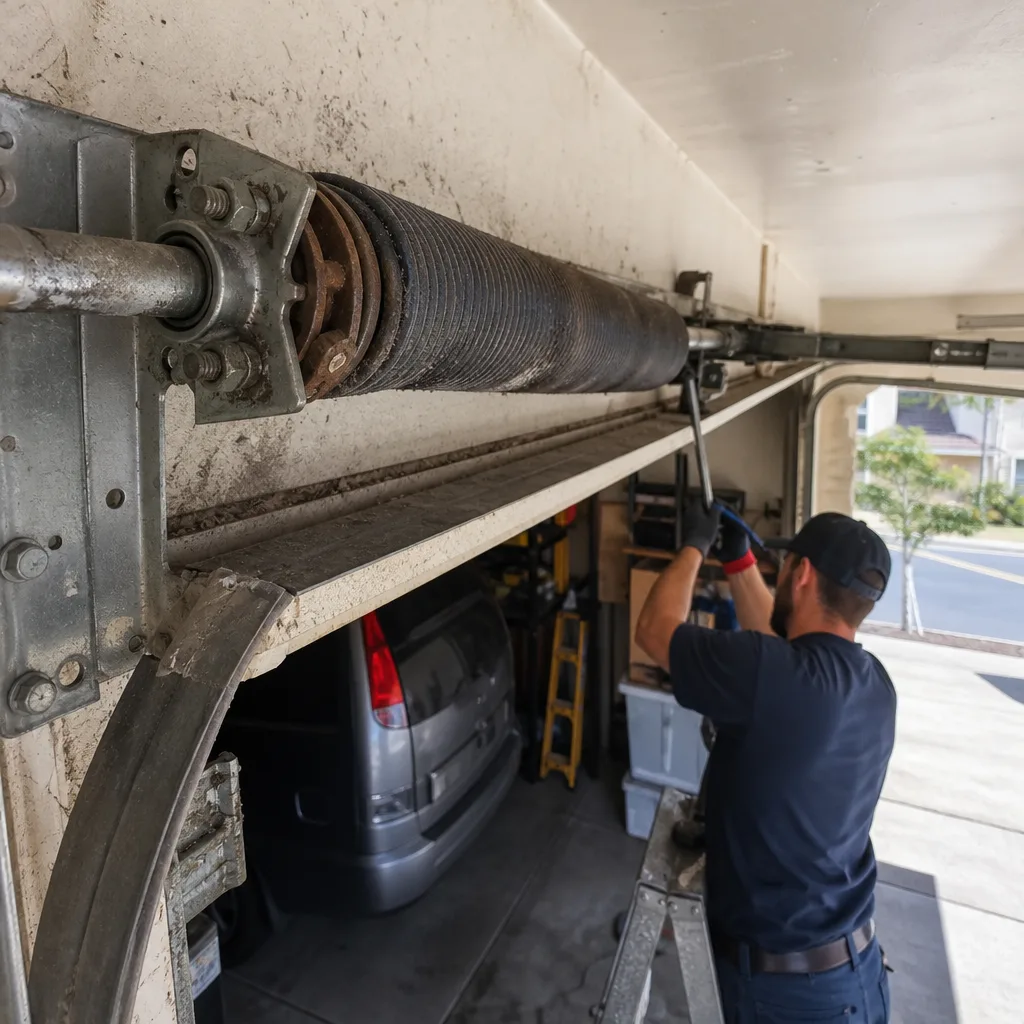 Before
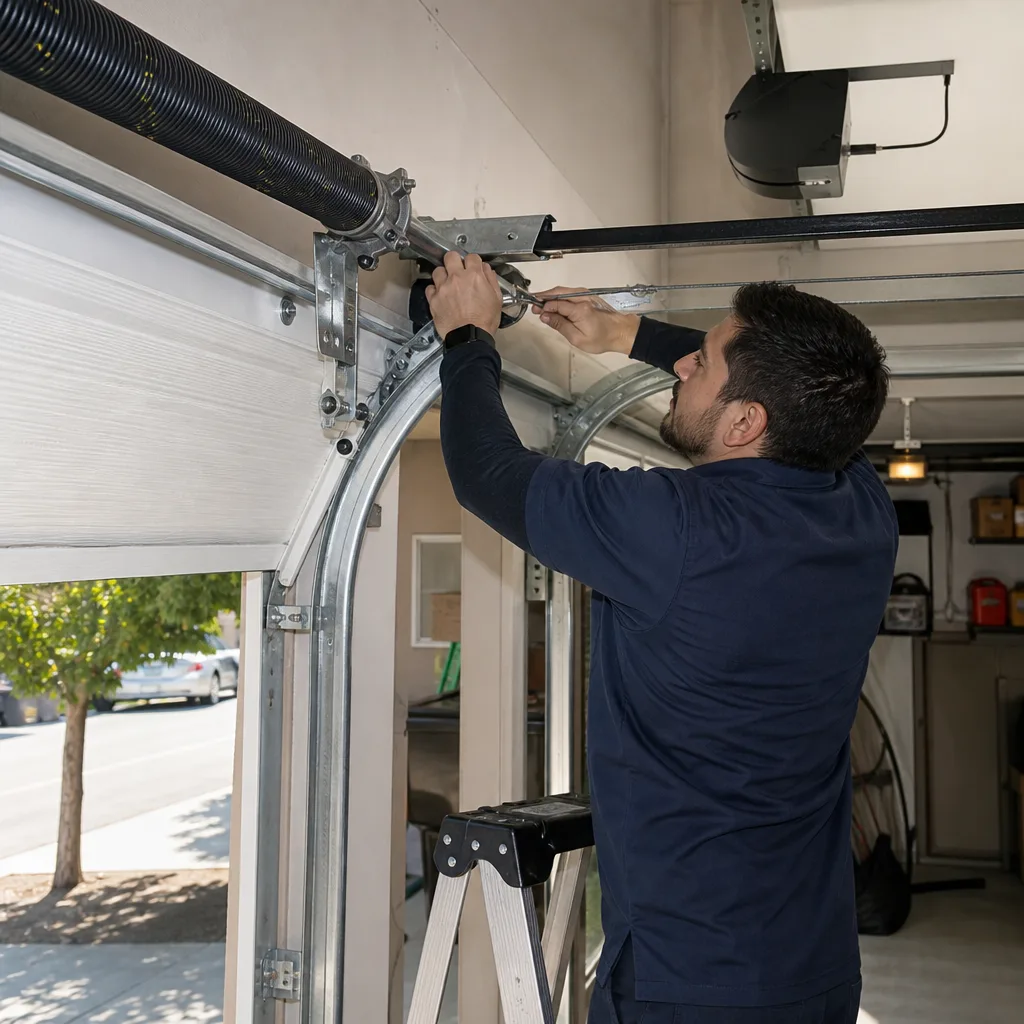 After
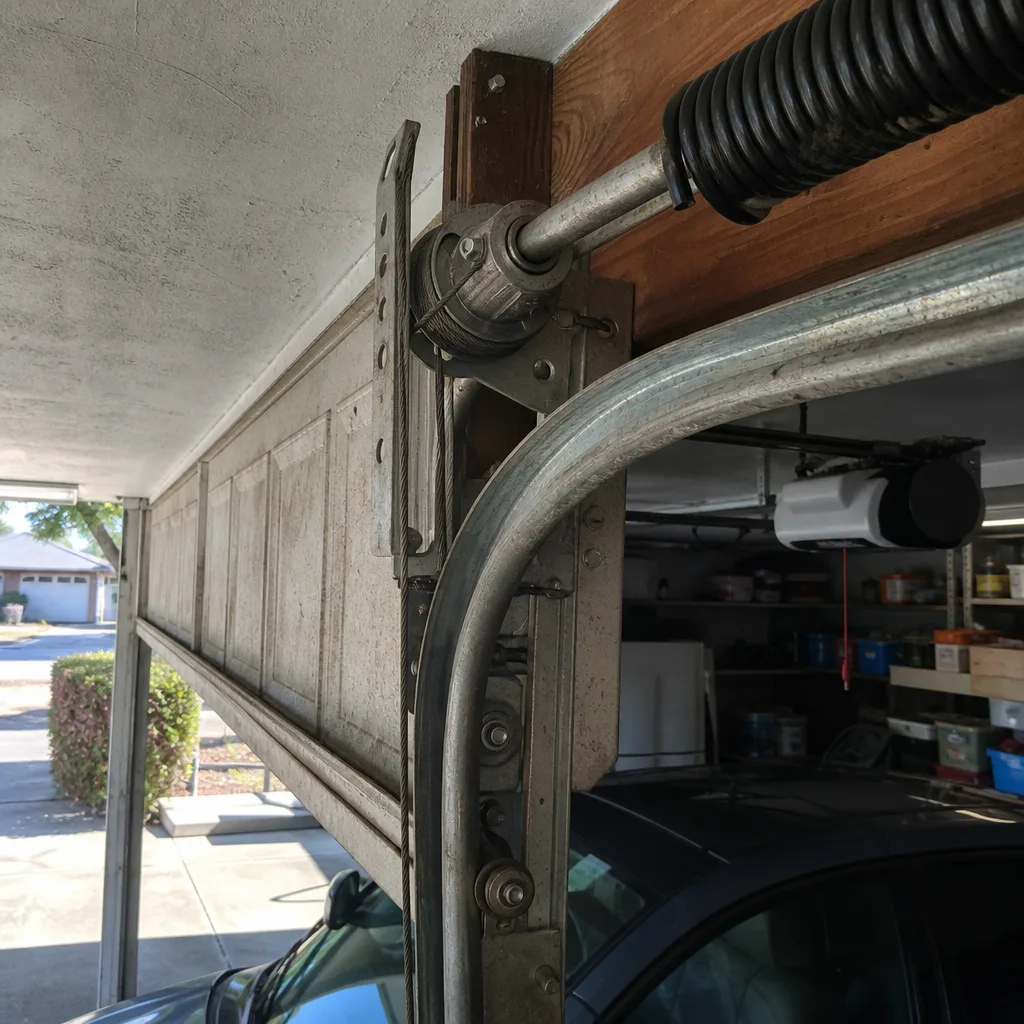 Before
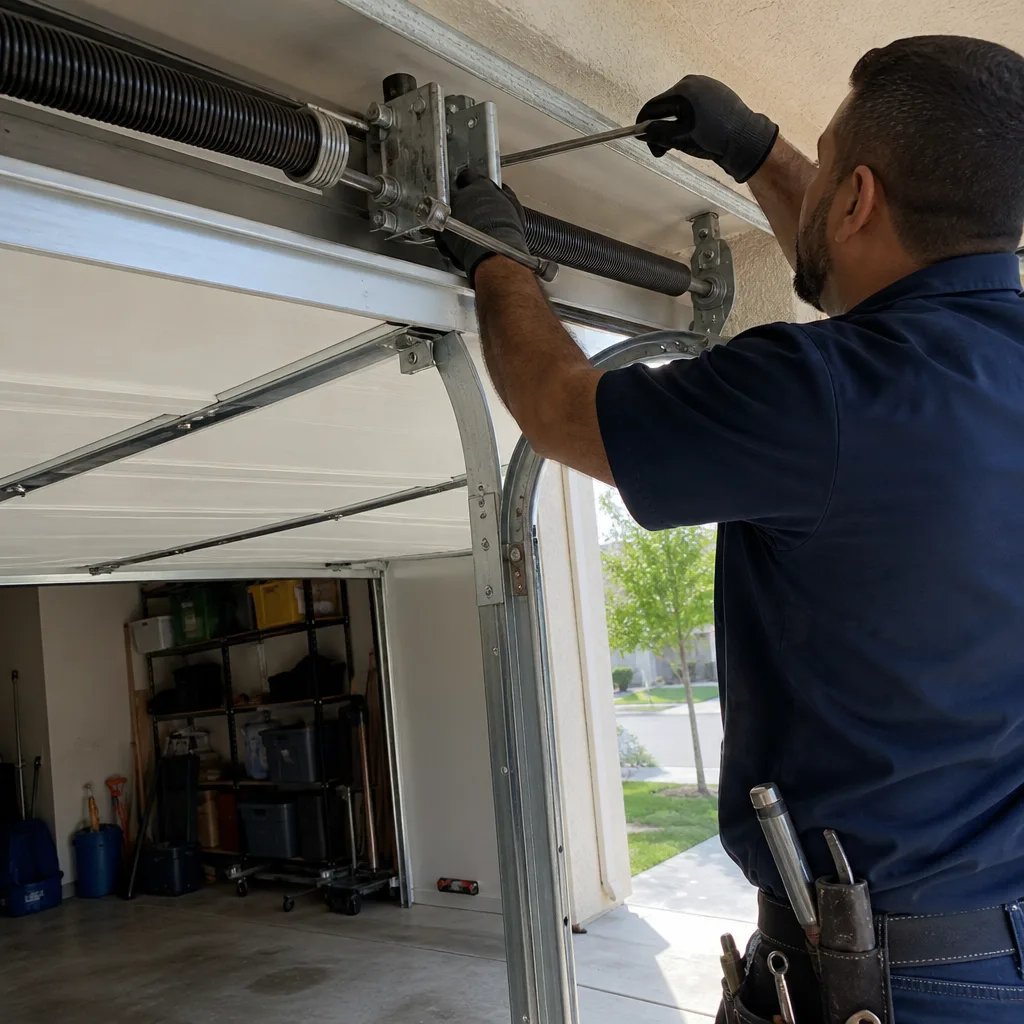 After
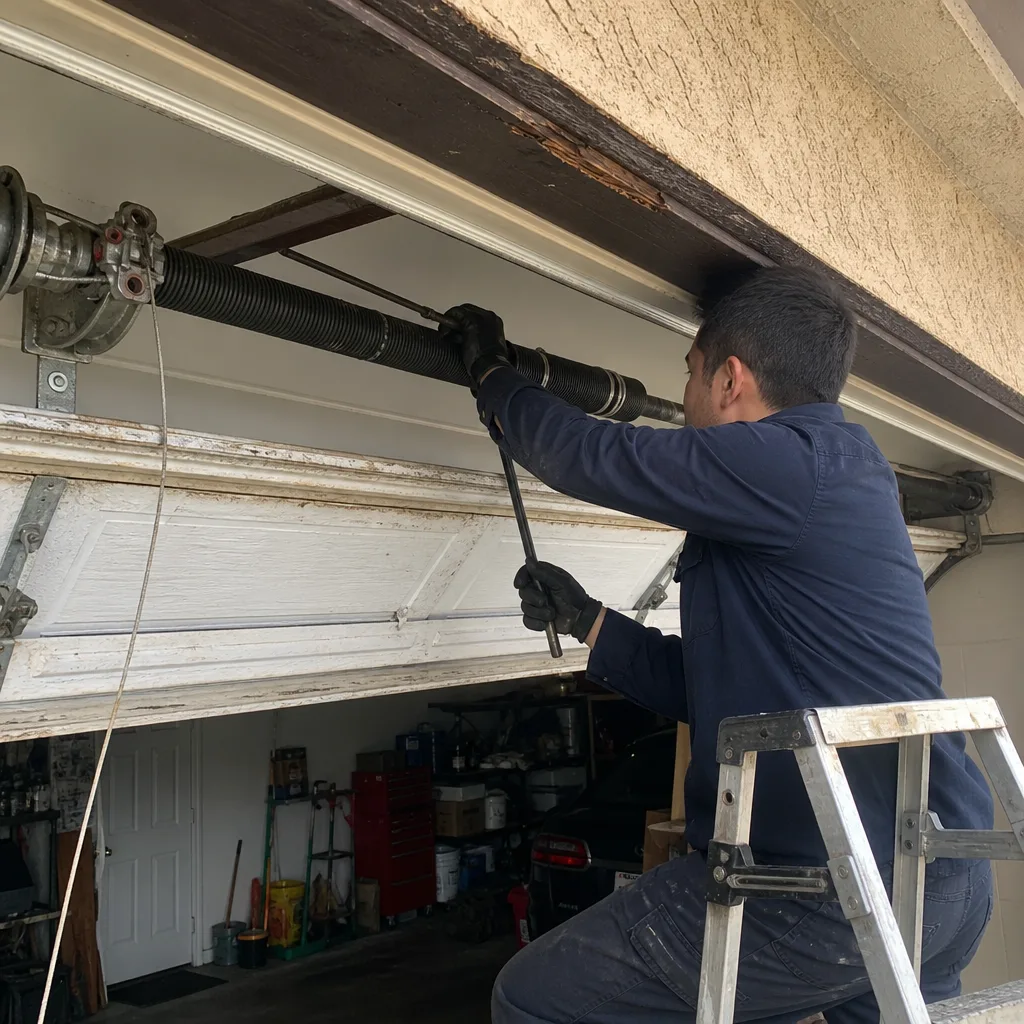 Before
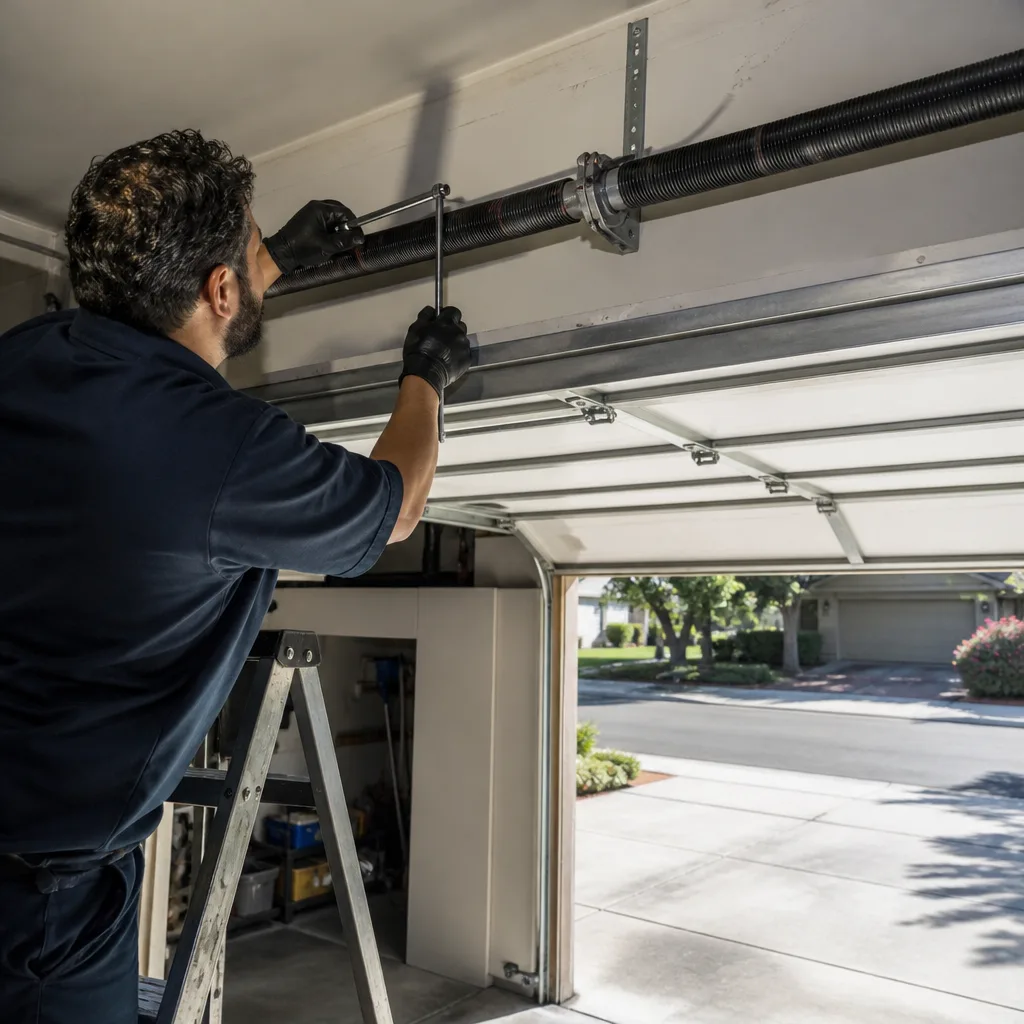 After