
Last updated October 30, 2026
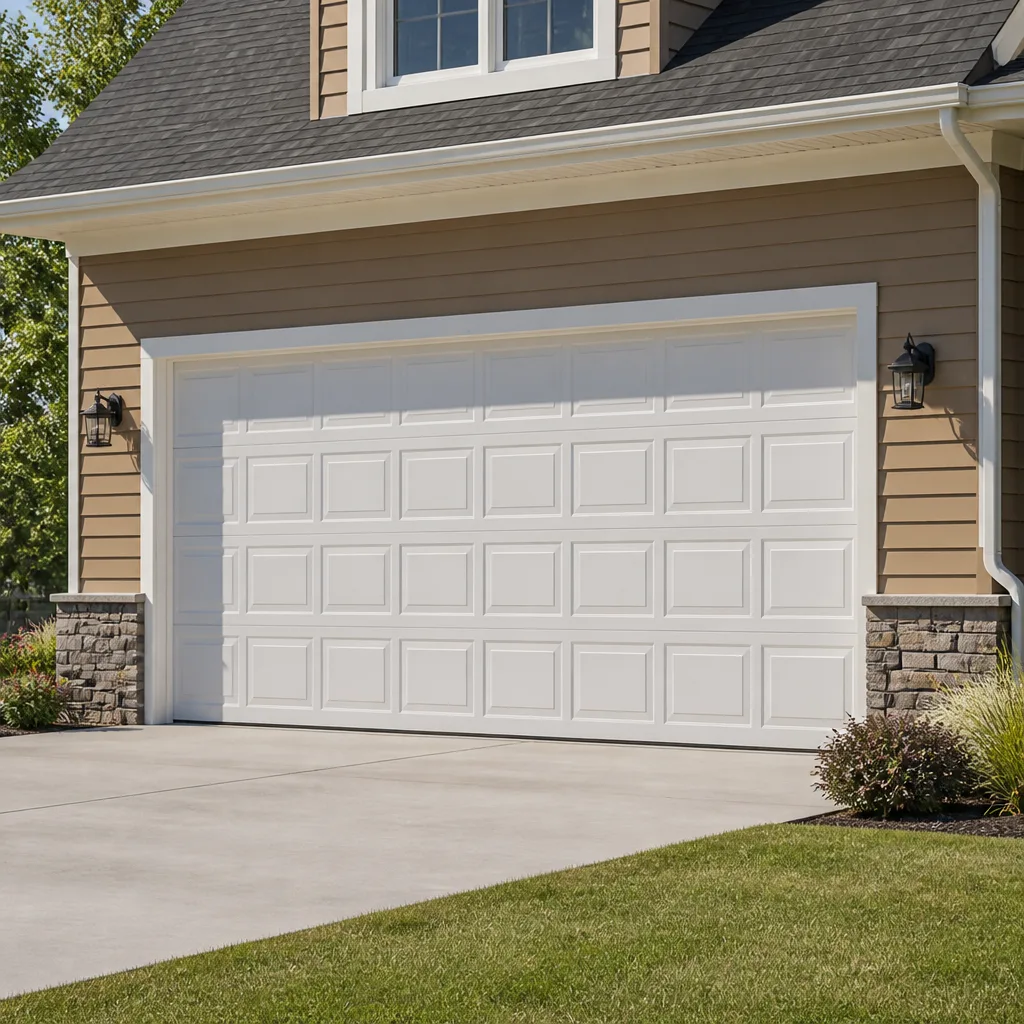 Raised-panel steel
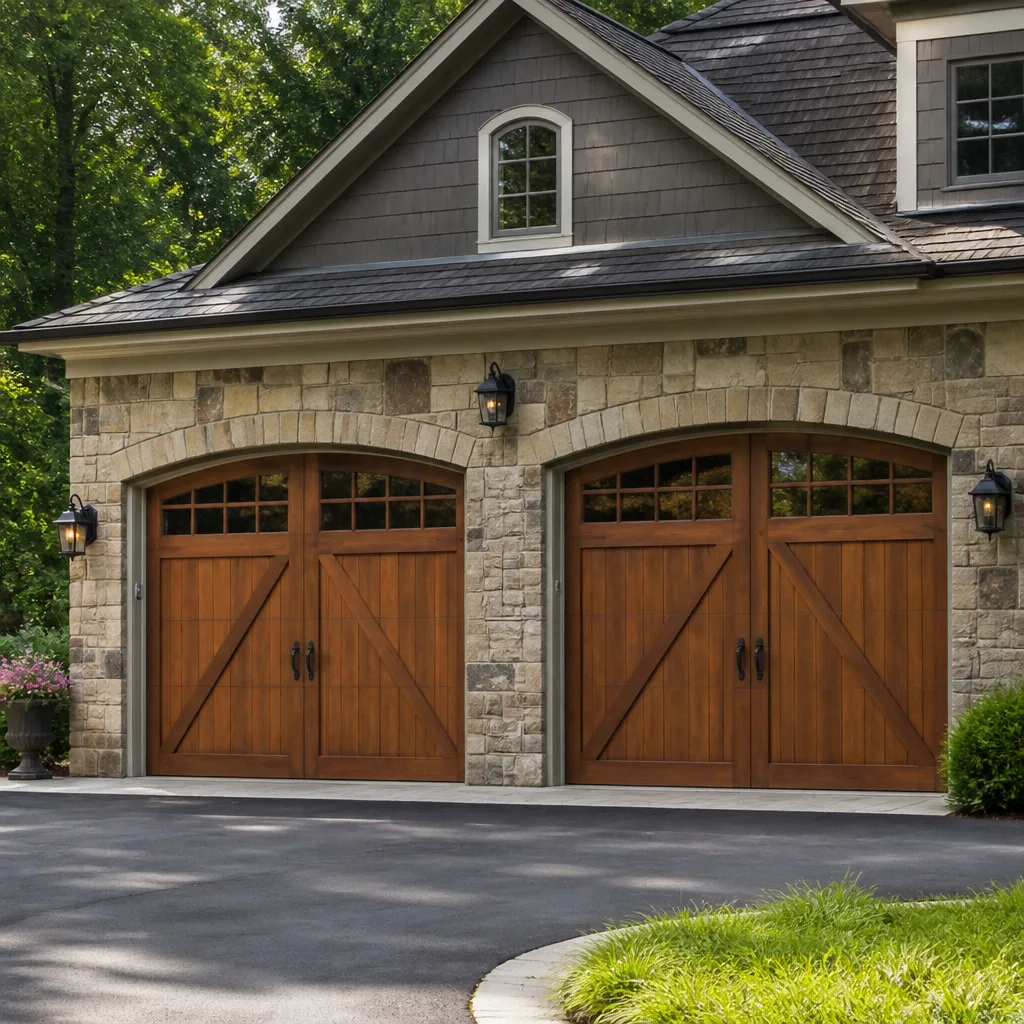 Carriage house
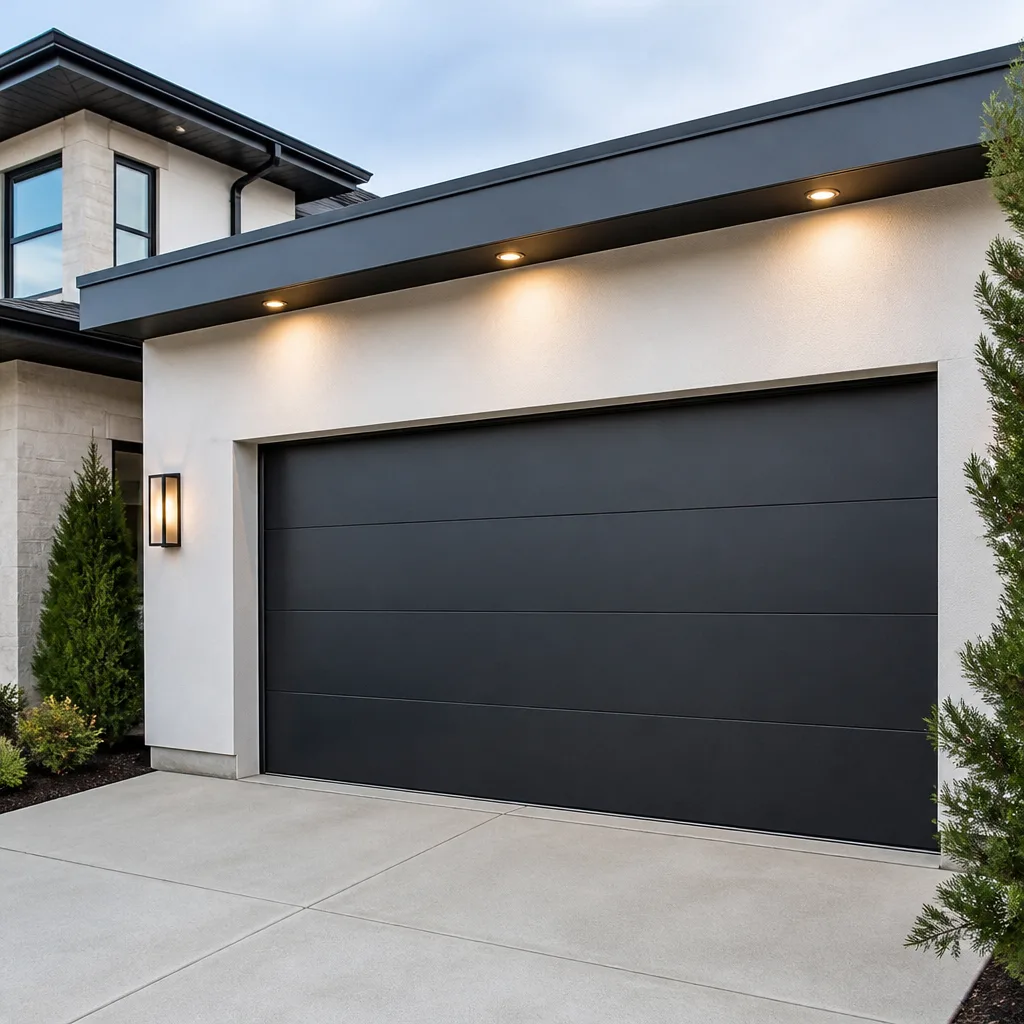 Modern flush
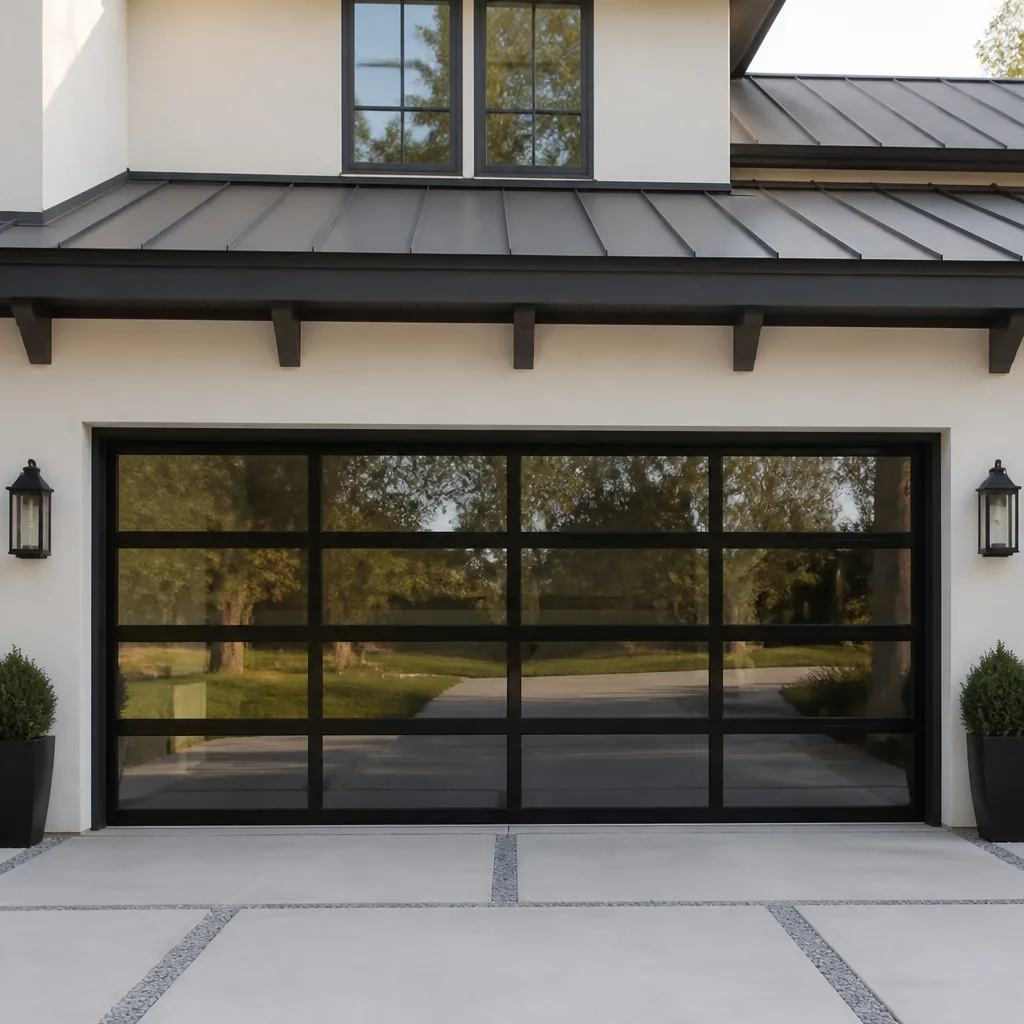 Full-view glass
 LiftMaster openers
 Chamberlain openers
Full 25-point door and opener safety check with every visit - springs, cables, rollers, tracks, and your LiftMaster or Chamberlain opener included
You get a price before we start. It does not change when the truck arrives.
Get your free estimateDIY vs Professional Garage Door: The Roseville Homeowner’s Decision Guide
Every year, roughly 20,000 Americans end up in emergency rooms from garage door injuries. The number that rarely gets mentioned? A significant portion of those injuries happen to homeowners who watched a tutorial, bought the parts, and believed the job looked straightforward. In Roseville, where attached garages are the norm in neighborhoods from Westpark to Fiddyment Farm, the question of “should I fix this myself?” carries more weight than a typical home repair decision. Some garage door tasks are genuinely safe for a capable DIYer. Others carry consequences that no amount of YouTube confidence changes. This guide gives you an honest, component-by-component breakdown so you can make the call with clear eyes.
Quick Answer
Most garage door tasks fall into two clear categories. Lubrication, sensor alignment, and remote programming are safe DIY jobs that save you a service call. Torsion spring replacement, cable work, and full door installation are not DIY jobs in Roseville or anywhere else – the injury risk is severe and the cost of a mistake routinely exceeds the professional fee by thousands of dollars.
Styles & brands we work with
Table of Contents
- The Task Taxonomy: What’s Safe, What’s Borderline, What’s Off-Limits
- Torsion Springs: Why This One Component Changes Everything
- The Cost-of-Error Analysis: What DIY Mistakes Actually Cost in Roseville
- California Insurance and Disclosure: The Angle Nobody Mentions
- Opener Programming and Smart-Home Integration: The DIY Sweet Spot
- Using a Pro’s First Visit Strategically
- Common Mistakes to Avoid
- When to Call a Professional
The Task Taxonomy: What’s Safe, What’s Borderline, What’s Off-Limits
Every garage door task can be sorted into one of three buckets. Getting this taxonomy right is the single most important decision you’ll make as a Roseville homeowner facing a door issue, because misclassification is where injuries and expensive repairs are born.
Safe DIY tasks involve no stored energy, no load-bearing parts, and no structural components. These are maintenance and minor adjustment jobs where the worst realistic outcome is you spend an extra hour figuring it out:
- Lubricating rollers, hinges, and tracks with a silicone or lithium spray
- Cleaning and aligning photo-eye safety sensors
- Programming or reprogramming remote controls and keypads
- Tightening visible bolts and brackets on the track (not the spring hardware)
- Replacing remote batteries and troubleshooting opener signal issues
- Painting a steel door with the proper exterior-grade paint
Borderline DIY tasks depend on your mechanical comfort level. These involve moving parts under mild tension or components where a mistake means the door doesn’t work properly rather than injuring someone:
- Replacing worn rollers (side rollers only, never the bottom roller bracket)
- Adjusting the opener’s travel limits and force settings
- Replacing weatherstripping along the bottom and sides
Off-limits DIY tasks are non-negotiable. These involve torsion springs, extension springs, cables, and any component holding weight or tension. In our experience as a garage door specialist serving Roseville, these are the jobs where even experienced general contractors stop and call us. Generalists know enough to know what they don’t know. A torsion spring under full tension stores roughly 100 to 150 foot-pounds of energy, depending on door weight. That energy releases instantly when the spring breaks or a winding bar slips.
- Torsion spring replacement
- Extension spring replacement
- Lift cable replacement (the cables that bear the door’s weight)
- Bottom bracket replacement
- Track realignment under load
- Any structural repair to door panels or sections
If you take one thing from this entire guide, take this: the line between safe and unsafe isn’t about skill. It’s about stored energy. A novice with patience can safely relevel a sensor. A master mechanic can lose a finger to a torsion spring. The category determines the risk, not the person.
Torsion Springs: Why This One Component Changes Everything
Here’s the opening hook in plain terms: a torsion spring stores enough energy to break a wrist or fracture a forearm in a single release. This isn’t a liability disclaimer from a company that wants your service call. It’s the reason even experienced general contractors leave spring work to door specialists. We’ve had Roseville contractors who frame houses, run electrical, and pour concrete call us for spring work. They don’t touch it because they understand stored energy better than most homeowners do.
A torsion spring is a steel coil mounted on a shaft above the door. When your door closes, that spring winds tighter, storing the energy needed to lift the door’s weight, which for a double-car garage door in Roseville typically ranges from 250 to 400 pounds depending on material and insulation. When the spring breaks, often with a sound like a gunshot that echoes through the whole house, that energy has already released. The danger comes during replacement, because the new spring must be wound to the correct tension before the door will balance.
The winding process uses two steel bars inserted into the spring’s winding cone. If one bar slips, the other bar becomes a projectile moving with enough force to fracture bone or penetrate drywall. It happens in a fraction of a second. The winding cones on springs from manufacturers like Raynor and Clopay doors are engineered precisely, but precision doesn’t eliminate the physics. One wrong grip, one moment of inattention, and the injury is already done.
Roseville’s climate adds a factor worth knowing. Summer heat cycles expand and contract the spring steel, which is part of why springs fail most often during or after hot spells. A spring that’s five to seven years old has already cycled through thousands of temperature swings in a Roseville summer. When it breaks, the repair is a specialized job involving spring identification, wire size measurement, and precise winding. Get the tension wrong and the door won’t balance. Get it catastrophically wrong and the door can come off the track.
Professionals who specialize in garage doors replace springs from LiftMaster, Chamberlain, Craftsman, and other major brands daily. We know the torque specifications for different door weights, and we carry the right springs on the truck. That’s the difference between a one-visit repair and a weekend project that ends with a call to us anyway, now complicated by whatever went wrong in between.
The Cost-of-Error Analysis: What DIY Mistakes Actually Cost in Roseville
The standard argument for DIY garage door work is financial: “A technician charges $150 to $350, so I’ll save that by doing it myself.” That math works for sensor alignment and lubrication. It collapses the moment you factor in what a mistake costs. Let’s be specific about the numbers in the Roseville market.
A torsion spring replacement from a qualified garage door specialist in Roseville typically runs $180 to $340 for a single spring, and $250 to $500 for a pair, including parts and labor. Now price out the failure modes of attempting that yourself:
- Emergency room visit for a hand or forearm injury: With a typical deductible, you’re looking at $500 to $2,000 out of pocket, even with good insurance. A fracture requiring surgery pushes that higher, and recovery time means missed work.
- Door replacement after a botched spring job: If the door comes off the track or hangs unbalanced and twists, you could be looking at $1,200 to $2,500 for a new double door installed in Roseville.
- Vehicle damage: A door that falls or a track that separates while your car is in the opening can dent roofs, shatter glass, or worse. Body shop estimates start around $800 and climb fast.
- Opener damage: Running an unbalanced door stresses the opener motor. Burn one out and you’ve added another $350 to $600 for a new opener unit, plus installation.
Add those up and a $350 avoided fee becomes a $2,000 to $5,000 cascade. That’s the cost-of-error analysis in plain math. And it doesn’t even touch the harder-to-quantify costs: time lost, the frustration of a garage you can’t use for days while you figure out the problem, and the lingering doubt about whether the repair is actually safe.
For context on what professional service actually includes: a garage door specialist arrives with the correct spring size for your specific door, replaces the component with the existing hardware verified, tests the balance of the door by hand, cycles it multiple times, and checks the safety reversal system. The price you pay includes verification that the door is safe to operate with your family coming and going. That verification step is what separates a repair from a patch job.
None of this means you should never DIY anything garage-related. It means the economic argument only holds for the tasks in the “safe” bucket. For spring work, the math has been settled: you risk far more than you save. For homeowners in Roseville who want a clear picture without obligation, All Star Garage Door Co offers garage door repair in Roseville with upfront pricing quoted and agreed before work starts.
California Insurance and Disclosure: The Angle Nobody Mentions
Here’s a consideration most generic DIY-versus-pro articles skip entirely, and it matters specifically to Roseville homeowners: California law requires sellers to disclose unpermitted work on a home when they sell (Garage Door Permits, Codes & Inspections in CA: What You Need to Know). If you perform structural or load-bearing garage door work without a permit, and that work fails or creates a hazard, you may be creating a disclosure obligation that follows you to the closing table.
Garage door replacement itself doesn’t typically require a permit in Roseville when it’s a like-for-like swap using existing framing and track. But if your DIY project expands into structural territory, say you’re widening the opening, replacing the header, or altering the frame to accommodate a different door size, you’re in permit territory. California’s Building Code treats an attached garage as part of the home’s structural envelope, and Roseville’s building department enforces those codes.
The insurance angle is just as serious. Homeowner’s insurance policies in California generally cover sudden and accidental damage, but they may deny a claim if the damage resulted from negligent self-repair. If a DIY spring job fails and the door falls on your car, or worse, injures a family member or guest, the insurance company will investigate. A finding that the work was performed without professional qualifications can shift liability entirely onto you. That’s not a hypothetical. Insurance adjusters see failed DIY garage door repairs regularly, and the pattern is well established.
Professional installation creates a different paper trail. A licensed contractor performing garage door installation in Roseville provides record of the work, the parts used, and compliance with applicable codes. If something fails, you have recourse through the contractor’s workmanship warranty and the manufacturer’s product warranty. When you do the work yourself, you are the warranty, the liability holder, and the person answering questions at the closing table.
For most Roseville homeowners, the calculation is clear: safe DIY tasks carry no insurance or disclosure implications. Spring and cable work do. If your door is part of an attached garage, which most are in Roseville’s newer developments like Westpark Village and Crocker Ranch, the insurance stakes apply to you. This is not a reason to fear owning a garage door. It’s a reason to be honest about which tasks carry consequences beyond the immediate repair bill.
Opener Programming and Smart-Home Integration: The DIY Sweet Spot
If there’s one category where professional help is genuinely optional, it’s opener programming and smart-home integration. The manufacturers have made this intentionally accessible. LiftMaster and Chamberlain openers, the two most installed opener brands in American homes including Roseville, ship with clear step-by-step instructions. Their companion smartphone apps walk you through pairing, scheduling, and even setting up alerts.
Here’s a numbered sequence for the most common DIY opener task, reprogramming a handheld remote:
- Locate the “Learn” button on the opener motor unit. It’s usually on the back or side, colored yellow, purple, red, or green depending on the model and year.
- Press and release the Learn button. An indicator light will illuminate or the opener light will blink, signaling the unit is in programming mode.
- Within 30 seconds, press the button on the remote you want to program. The opener light will flash or you’ll hear a click to confirm.
- Test the remote from inside the garage, then from the driveway.
Keypad programming follows a similar pattern, and the manufacturer’s model-specific manual, available online, gives exact button sequences. This is genuinely DIY-friendly work. The worst outcome is a remote that doesn’t work, and you try again.
Smart-home integration is likewise approachable. Modern LiftMaster and Chamberlain openers with built-in myQ connectivity can be added to your home’s Wi-Fi through a straightforward app setup. You’ll scan a code on the opener, enter your network credentials, and the app handles the rest. From there you can control the door remotely, set schedules, and receive alerts when the door opens or closes. In Roseville, where many homeowners commute toward Sacramento or beyond, the ability to check that your garage door is closed from anywhere has real practical value.
The limit of DIY opener work is the mechanical side. If your opener motor is running but the door won’t move, that’s not a programming issue, it’s a mechanical one, likely involving the drive system or the door’s own balance. That’s where the line crosses back into specialist territory. For opener electrical or mechanical failure, garage door opener repair in Roseville is the call to make. Programming is yours. Diagnosis and repair of the opener itself is ours.
Using a Pro’s First Visit Strategically
Here’s an approach most Roseville homeowners never consider: use a professional technician’s visit as an education session, not just a service call. When a specialist is at your home for a repair, that’s your opportunity to understand your specific door and opener setup in a way no generic article can explain.
A good technician, during a spring replacement or opener repair, is already inspecting the entire system. If you’re home, you can observe and ask questions. What you learn in that 45 minutes can save you multiple service calls over the next several years, because you’ll begin to recognize the early warning signs of wear before they become failures.
Here’s a numbered strategy for getting the most from a professional visit:
- Ask what type of springs your door uses. Torsion springs sit above the door on a shaft. Extension springs run along the horizontal tracks on both sides. Knowing which you have helps you understand what you’re looking at later.
- Ask how many cycles your springs are rated for. Standard springs run about 10,000 cycles. High-cycle springs run double or triple that. This tells you roughly how long until the next replacement.
- Ask the technician to show you how to test the balance. With the opener disconnected, a properly balanced door stays put when lifted halfway and released. This is something you can check yourself every few months.
- Ask which lubrication points matter most on your specific door. Different door types, steel versus wood, roller types, hinge materials, benefit from different lubrication schedules.
- Ask about the photo-eye sensors. Have the technician point out exactly where the beams must align and what the indicator lights should show when properly aligned.
- Ask what the technician noticed that wasn’t part of the repair. A specialist sees dozens of doors a week. They’ll notice the roller that’s getting noisy, the hinge with slightly more play, the track section with a minor imperfection. That knowledge is worth far more than the service call itself.
We’ve had homeowners take notes during our visits and then handle their own lubrication, sensor cleaning, and remote programming confidently for years. That’s the ideal outcome of a professional relationship: the homeowner gains specific knowledge about their specific door, and they call us for the genuinely dangerous work. The right fix, not the most expensive one, applies to education too.
One more point worth learning during any visit: the location of your door’s manual release cord. In a power outage, that cord is how you open the door by hand. Roseville sees winter storm outages and summer rolling blackout events. Knowing where that red cord hangs and how to operate it safely is a five-second lesson that pays off when you least expect it.
Common Mistakes to Avoid
- Treating all garage door work as one category. The homeowner who lubricates a hinge successfully then assumes spring replacement is just a bigger version of the same task is exactly how injuries happen. Stored energy is a categorically different problem.
- Watching one tutorial and skipping the safety fundamentals. Tutorials show technique. They rarely show the injury statistics, the proper winding bar technique under tension, or what failure looks like in real time. Technique without respect for stored energy is not preparation.
- Attempting a spring replacement with improvised tools. Winding bars are purpose-built hardened steel rods. Screwdrivers, pry bars, and socket extensions are not substitutes. They bend, snap, and slip. This specific corner-cutting move shows up in emergency room reports.
- Ignoring Roseville’s summer heat as a wear factor. Springs fail more frequently during heat spells. If your door sounds different during a hot week, that’s a warning sign, not a coincidence. Waiting until it snaps means an emergency rather than a scheduled repair.
- Reusing old components when replacing parts. If you’re replacing rollers, replace all of them. If the hinges are worn, don’t reuse the old hardware on new sections. Mixing old and new creates uneven wear that shortens the life of the new parts.
- Skipping the balance test after any DIY adjustment. If the door doesn’t balance properly after your work, you’ve changed something that affects the opener, the springs, and potentially the track. An unbalanced door forces everything else to work harder.
- Failing to disclose unpermitted structural work when selling. In California, this is a legal obligation, not a courtesy. The disclosure form asks directly about unpermitted work. An honest answer protects you from post-sale liability claims.
When to Call a Professional
Call a garage door specialist when the job involves the torsion springs, extension springs, lift cables, bottom brackets, or any component under load. Call when your door is off its track, hanging crooked, or making sounds that indicate structural strain. Call when the opener motor runs but the door won’t move. Call when you’ve already attempted a repair and the problem persists, because now there’s a layered issue to diagnose. And call when the door won’t open at all and your car is trapped inside. In Roseville, All Star Garage Door Co offers free estimates and works on doors and openers from LiftMaster, Chamberlain, Craftsman, Raynor, and other major manufacturers. Whatever brand is on your door or opener, we know it. Our single-trade focus means 100% of our training, parts inventory, and expertise is concentrated on garage doors. Call (855) 684-6988 for a free estimate, quoted and agreed before any work begins. Learn more about what we do at the All Star Garage Door Co home page.
See the difference
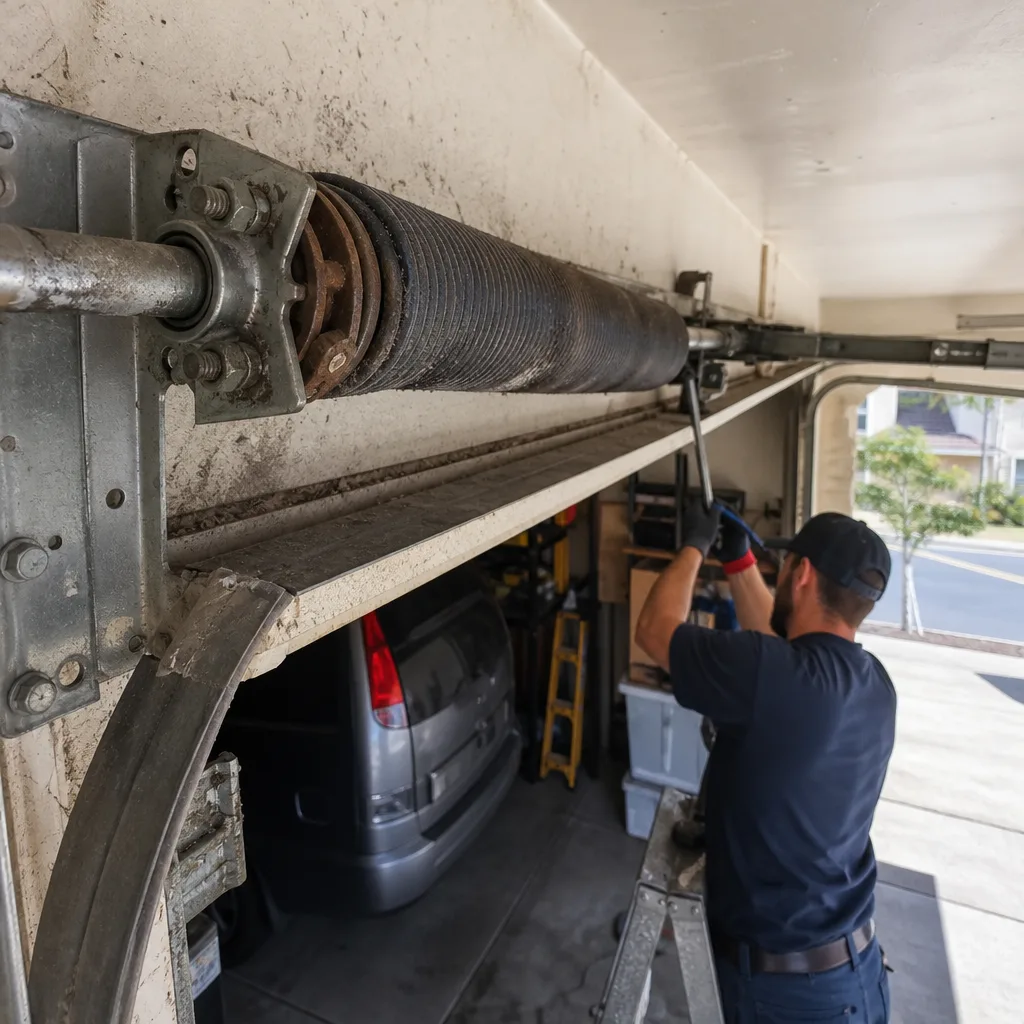 Before
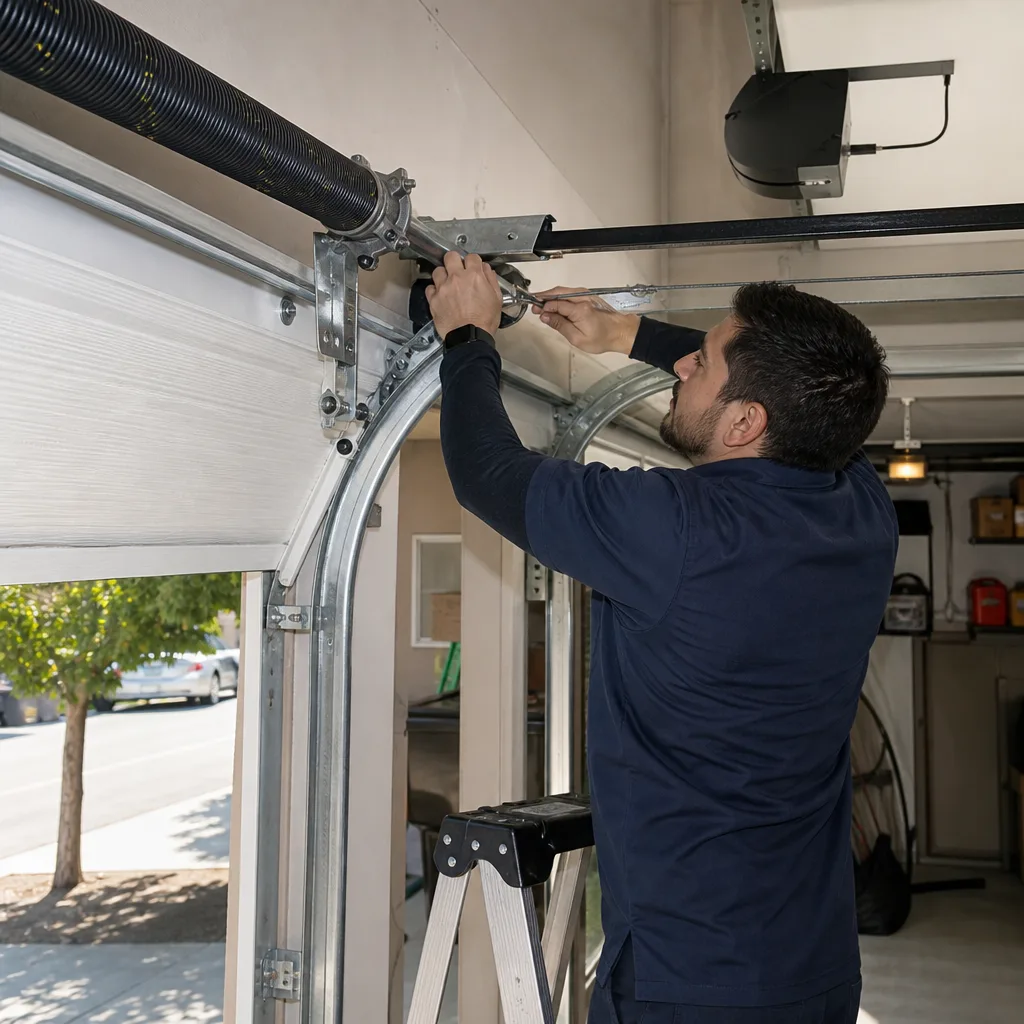 After
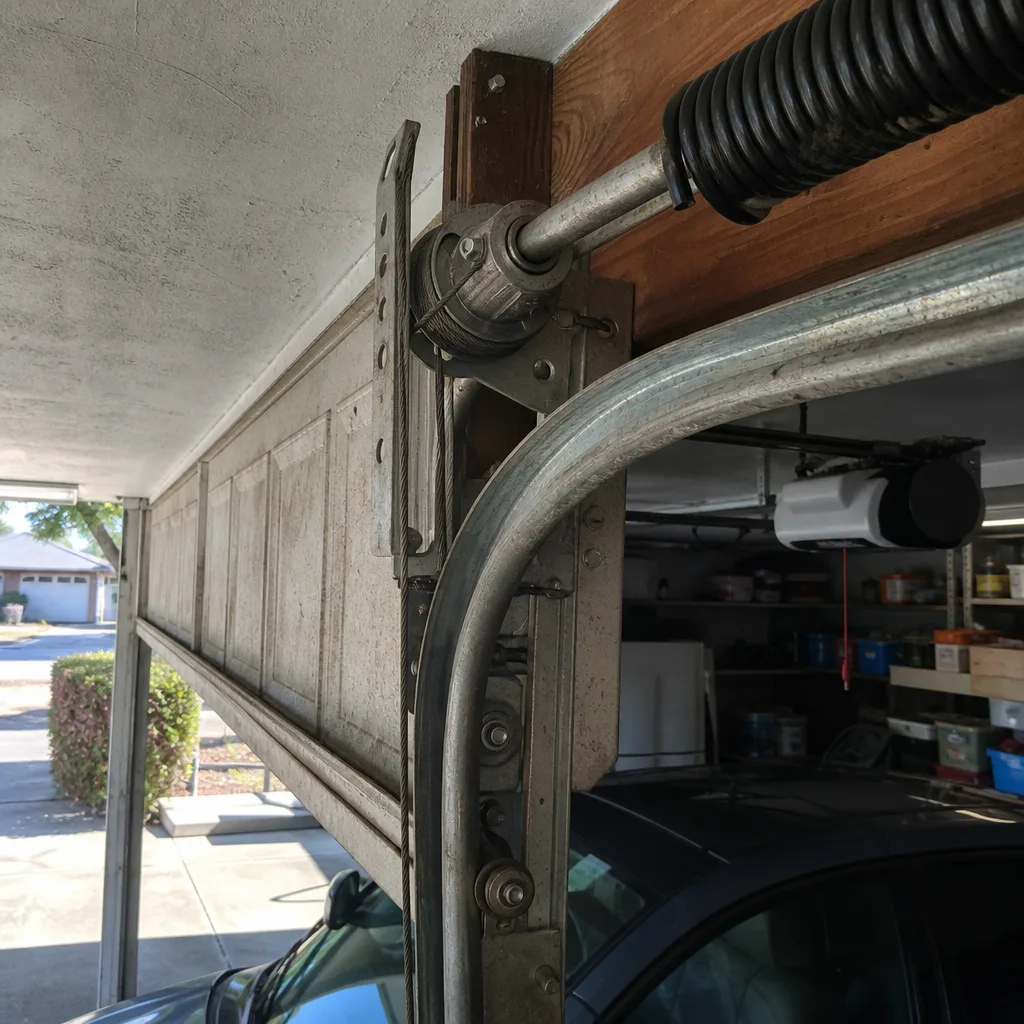 Before
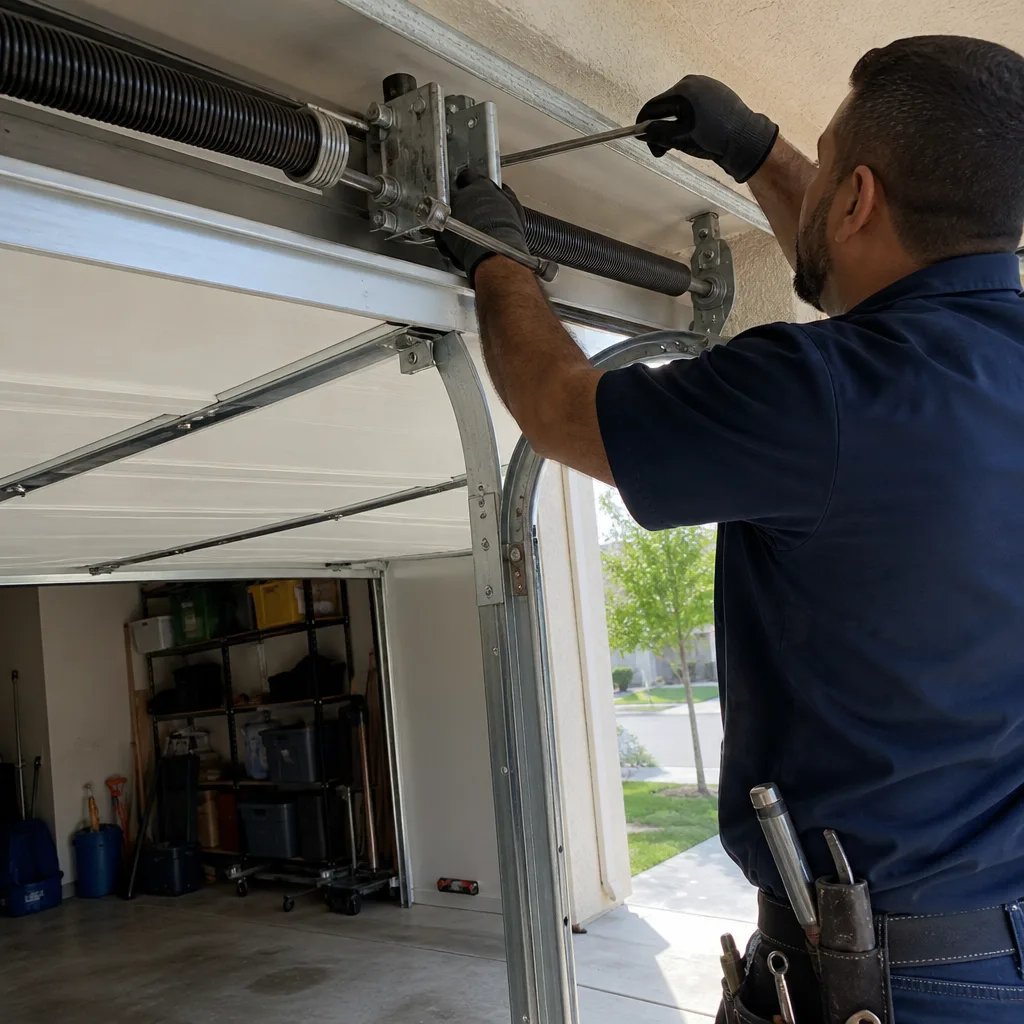 After
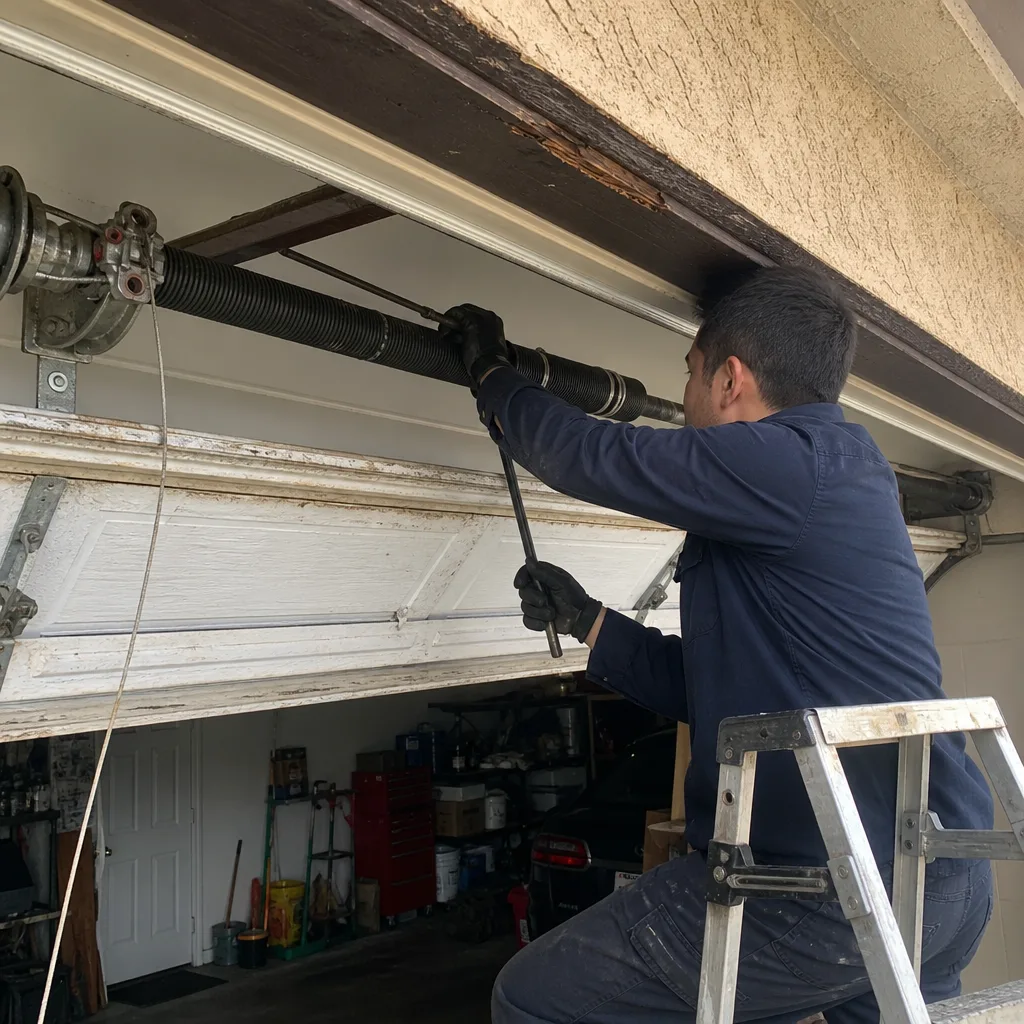 Before
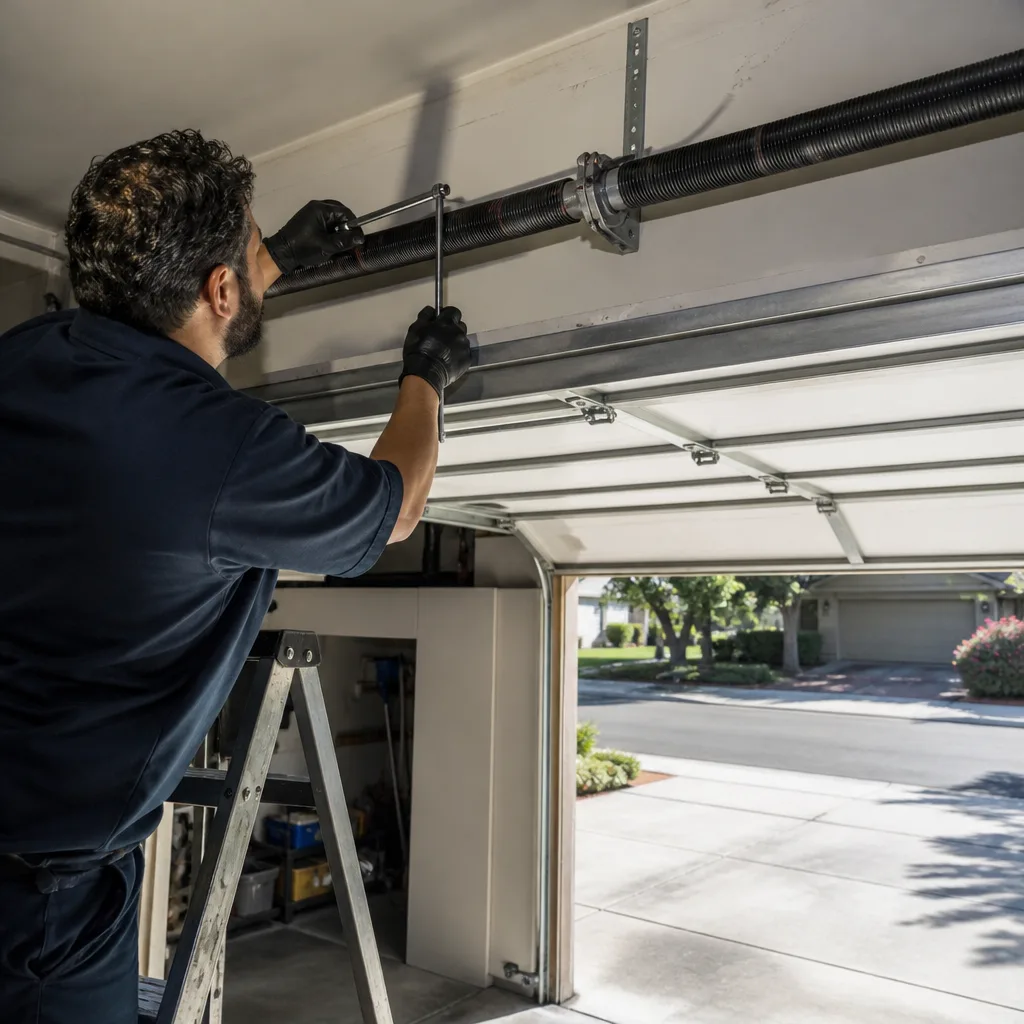 After
Frequently Asked Questions
No. Torsion springs store enough energy to break bones or cause severe injury if a winding bar slips during installation. This is one of the few home repairs where even experienced general contractors decline the work and call a specialist. Professional replacement in Roseville runs roughly $180 to $340 for a single spring, and the price includes testing the door balance and safety systems afterward.
Minor repairs like roller replacement or sensor alignment typically run $100 to $200. Spring replacement ranges from $180 to $340 for one spring and $250 to $500 for a pair. Full door replacement starts around $1,200 and varies by material, insulation, and style. All Star Garage Door Co provides exact quotes upfront, agreed before work starts. Call (855) 684-6988 for a free estimate.
Lubricating moving parts, cleaning and aligning photo-eye sensors, programming remotes and keypads, replacing remote batteries, tightening visible track bolts, and replacing weatherstripping are all safe DIY tasks. These involve no stored energy and no load-bearing components. Any task involving springs, cables, or structural parts falls outside the safe DIY category.
Your homeowner’s insurance may investigate whether the damage resulted from unqualified self-repair. If so, the claim can be denied and liability shifts to you. Additionally, California law requires disclosure of unpermitted structural work when selling your home, which can affect the sale or create post-sale liability. Professional installation provides warranty protection and a record of qualified work.
Yes. Both manufacturers publish clear step-by-step instructions, and their apps guide you through pairing and Wi-Fi setup. Press the Learn button on the motor unit, press the remote button within 30 seconds, and test. This is the one garage door category where manufacturer guidance is reliable and professional help is genuinely optional. If the opener motor runs but the door won’t move, call a professional, because that’s a mechanical issue, not a programming one.
A like-for-like door swap using existing framing and track typically does not require a permit in Roseville. If the project involves structural modifications, widening the opening, or altering the header, a permit is required under California building codes. When in doubt, check with the Roseville building department before starting the work. A licensed professional can also advise on permit requirements during the estimate.
The Bottom Line
The DIY-versus-pro decision on garage doors comes down to one distinction: stored energy. Component-specific risk, not skill level, determines whether a task is safe. Lubrication, sensor work, and opener programming are legitimate DIY territory where you can save money and build confidence. Springs, cables, and structural work carry injury and liability stakes that no tutorial overcomes. Roseville homeowners who learn this taxonomy and use professional visits strategically get the best of both worlds: lower maintenance costs through informed self-service, and specialist repair for the components that demand respect. For additional maintenance tips, explore more guides & resources. When the job crosses into professional territory, call (855) 684-6988 for a free estimate. The price is quoted and agreed before any work starts, and from a broken spring to a full new door, one call covers it.
Written by the team at All Star Garage Door Co, serving Roseville since 2015.